Nonsteroidal Anti-Inflammatory Drugs (NSAIDs) are widely considered the most effective first-line medicine for menstrual pain.
These quick-acting medicines work by inhibiting Prostaglandins– the hormone-like substances that cause the uterus to contract and shed its lining, which leads to period pain. NSAIDs thus provide fast and significant relief. Always consult with a doctor or gynaecologist before taking any medication to ensure it is the right choice for you.
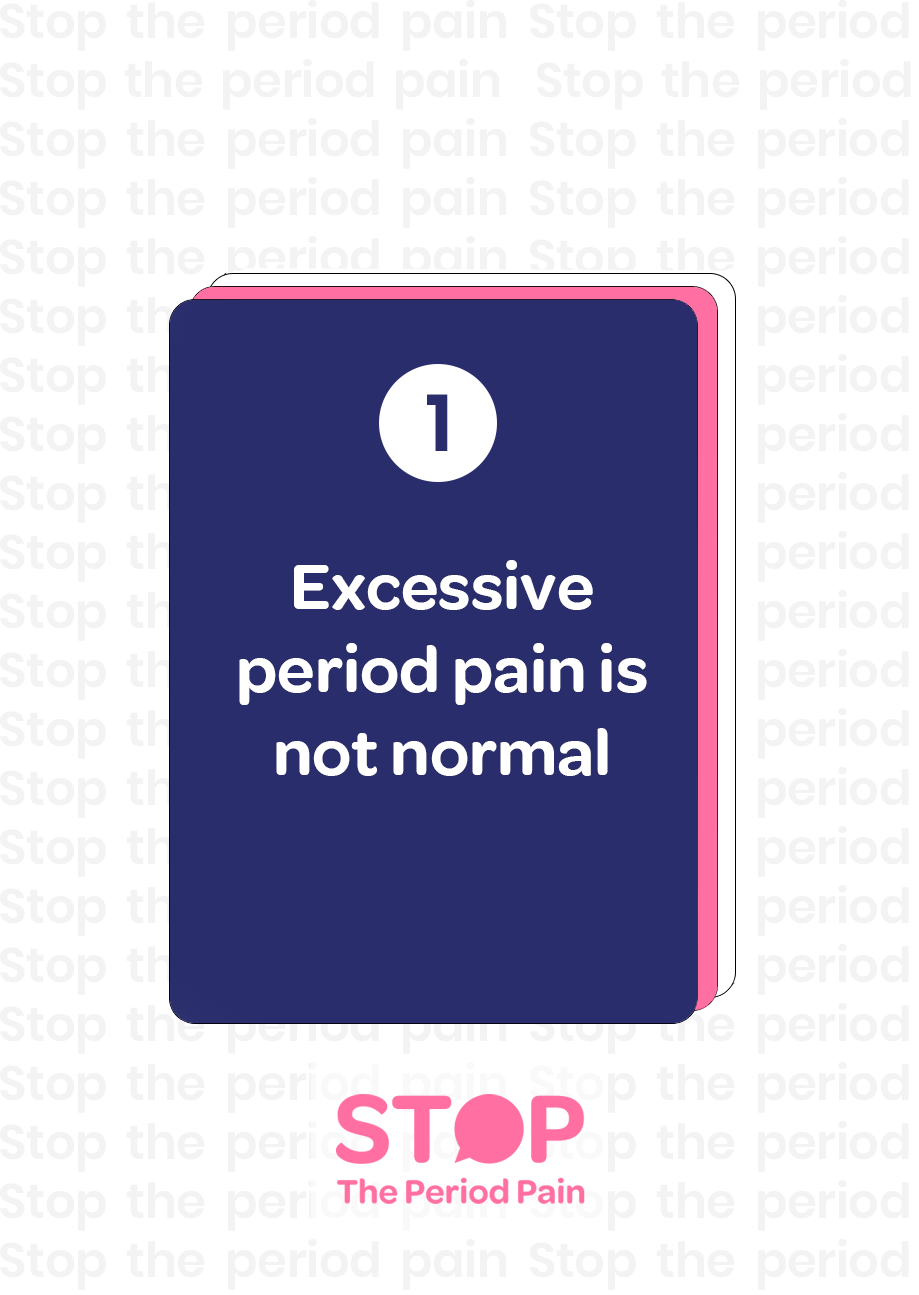
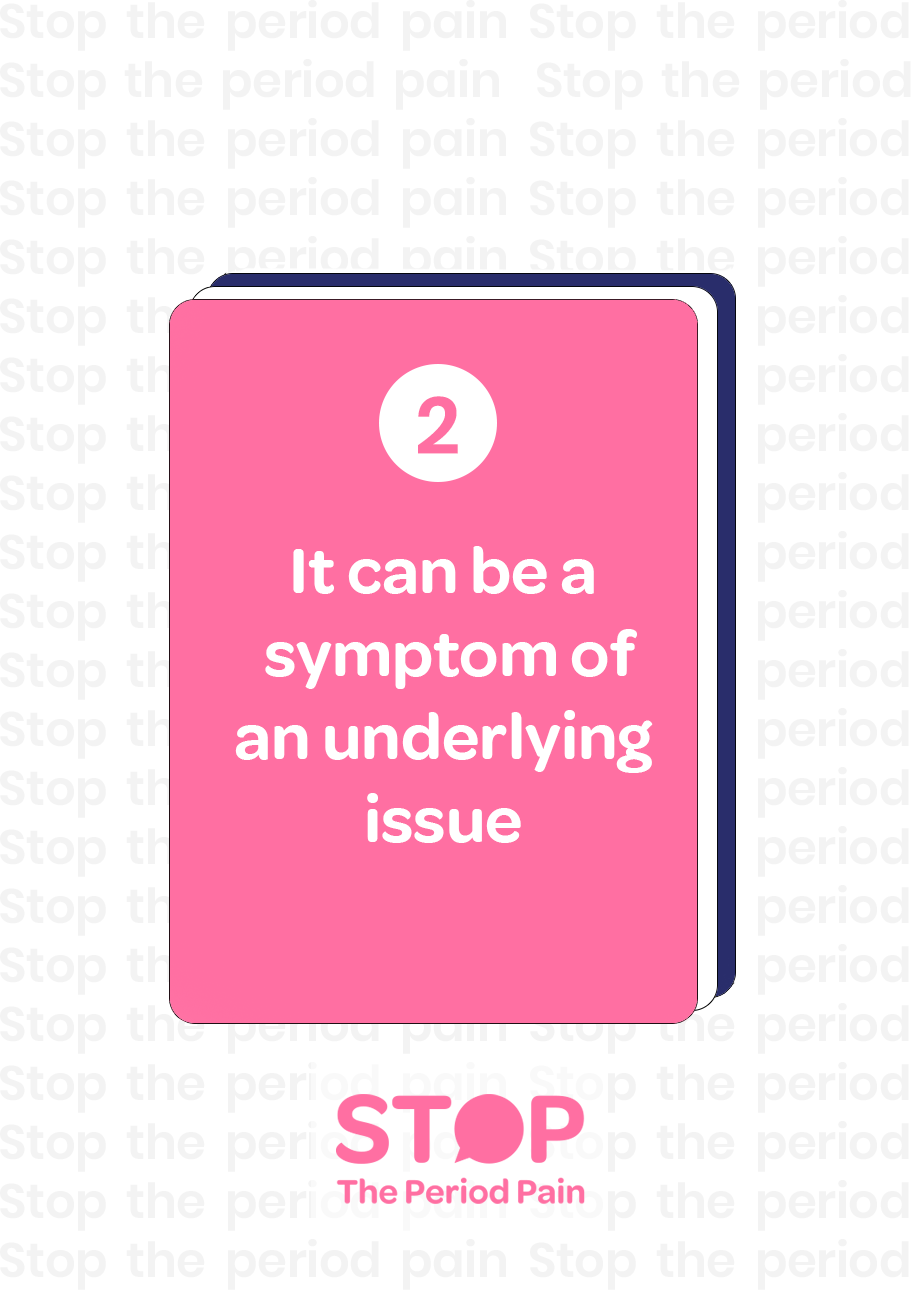
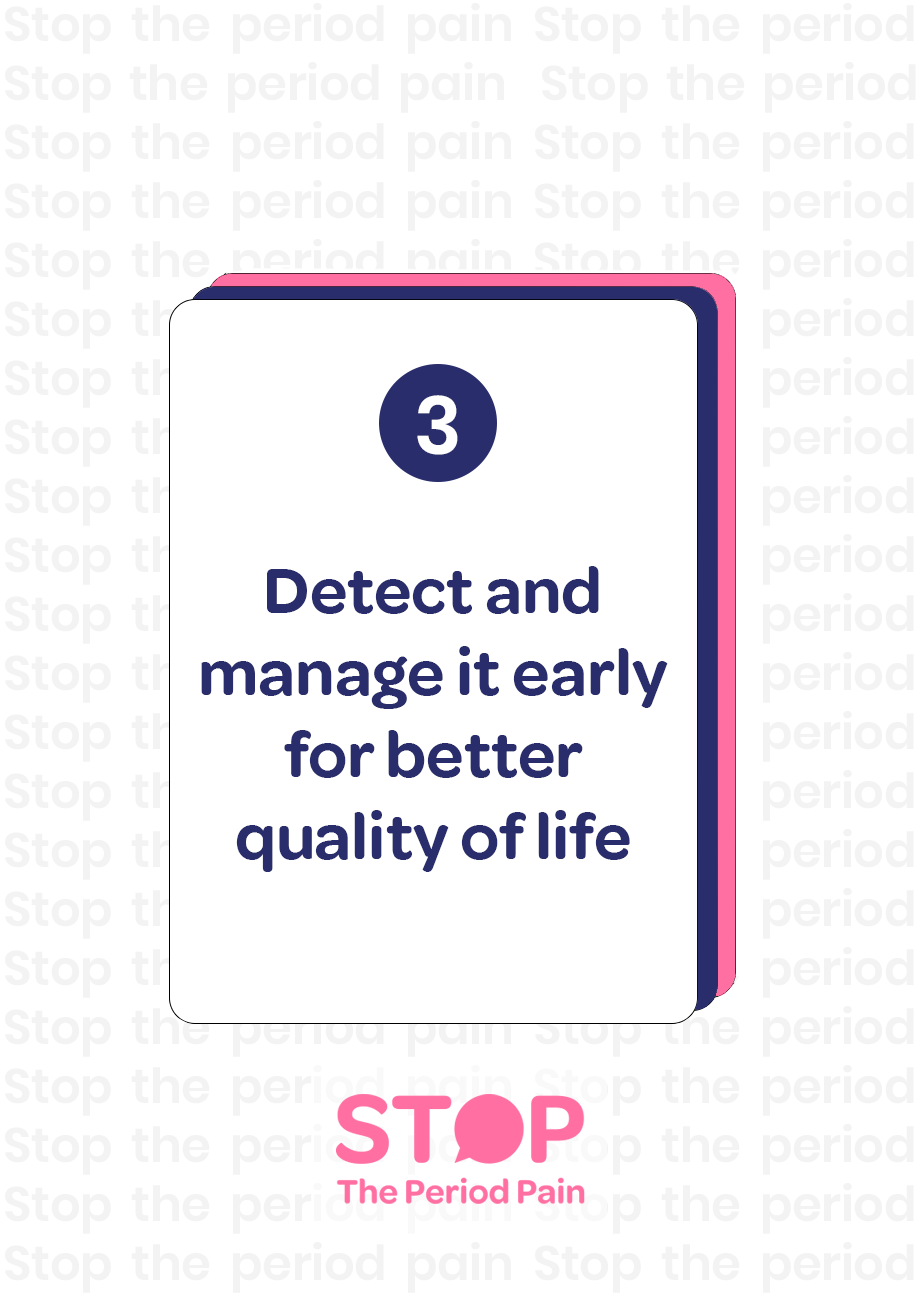
An estimated 60-90% of teenage girls and young women in India experience period pain, yet this discomfort is often dismissed with the phrase, “Period pain sabko hota hai.”
More Answer For You
Hit Up Our Period Pain Calculator
For real, how bad is your pain? Our interactive tool uses a 1-10 pain scale and a few quick questions to help you get the full picture. In just a few clicks, you’ll know if your pain is a chill or a major red flag.
References:
- International Journal of Reproduction, Contraception, Obstetrics and Gynecology – Prevalence of dysmenorrhoea and its effect on quality of life among nursing students
- Prevalence And Management Of Dysmenorrhea Among The Adolescents Of Selected Schools Of Rehan, Distt Kangra
- A Study of School Absenteeism During Menstruation Amongst Adolescent Schoolgirls in An Urban Area of North India
- Times of India – Why ‘Period pain is normal’ might be the biggest myth in women’s health
- Health Radius – Top 5 menstrual problems women shouldn’t ignore
- Financial Express – Period pain may not always be routine