Understanding Endometriosis: Symptoms, Causes & Your Path to Relief
Table Of Content
- Ishani's Story and the Reality of Endometriosis
- What is Endometriosis?
- Endometriosis Symptoms: Recognising the Red Flags
- Endometriosis Causes: What We Know
- Diagnosing Endometriosis: Seeking Answers
- Endometriosis Treatment: Finding Your Path to Relief
- Endometriosis Without Intervention: The Cost of Waiting
- The Lifetime Cost of Non-Intervention in Endometriosis
- Related Gynaecological Conditions
- Hope and Support: Tackling Endometriosis In India
- Your Journey to Knowledge, One Story at a Time
- The Answers You've Been Looking For
- References:
Ishani's Story and the Reality of Endometriosis
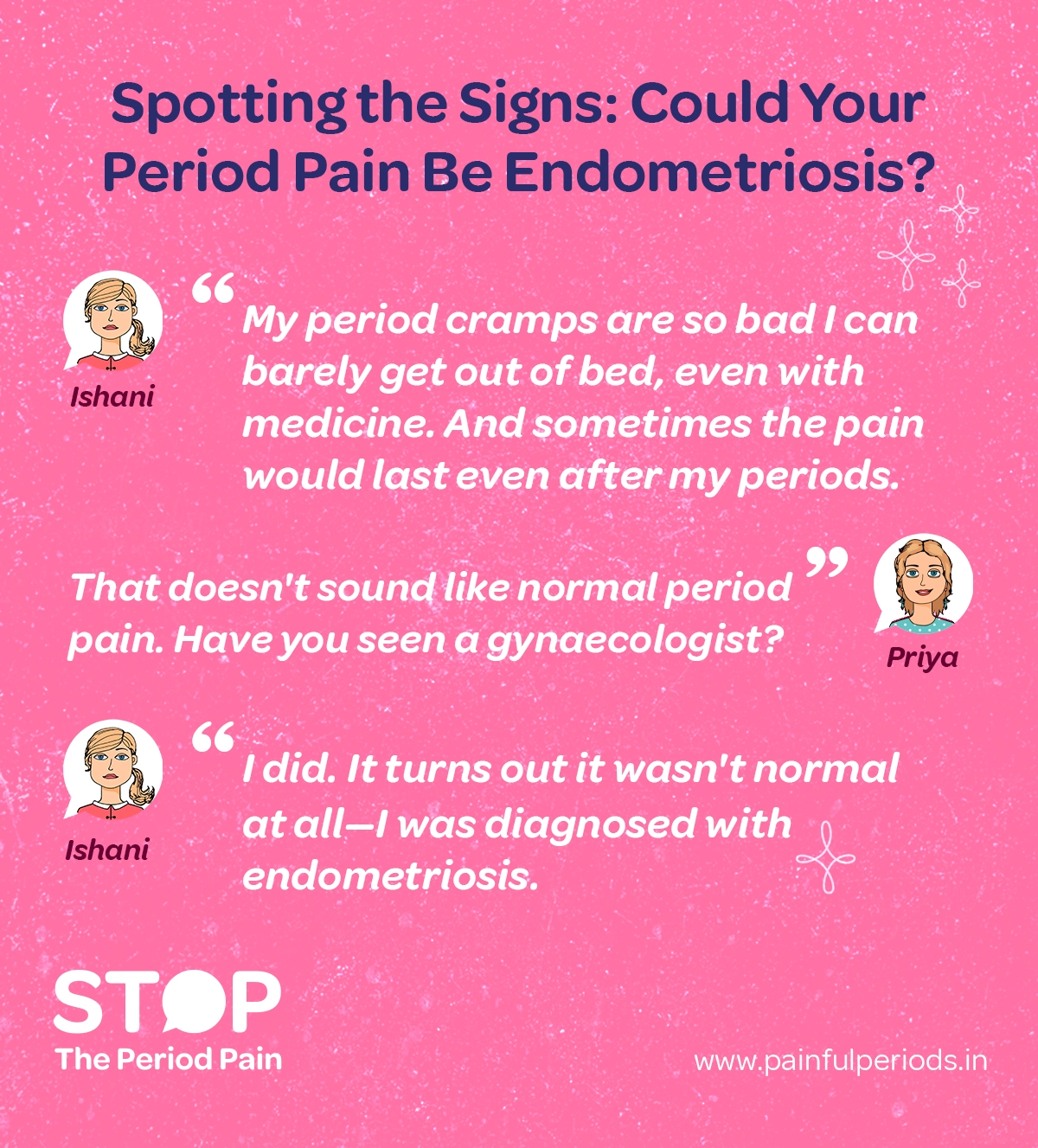
Remember Ishani from our page on Period pain overview, symptoms, causes? Her story of increasingly severe and chronic menstrual pain wasn’t just “bad periods.” It was a red flag that eventually led to a diagnosis: endometriosis.
Like many women in India, Ishani initially dismissed her escalating pain, attributing it to the common belief of “period pain sabko hota hai.” However, as her pain intensified, impacting her ability to attend college and socialise with friends, she realised something was different.
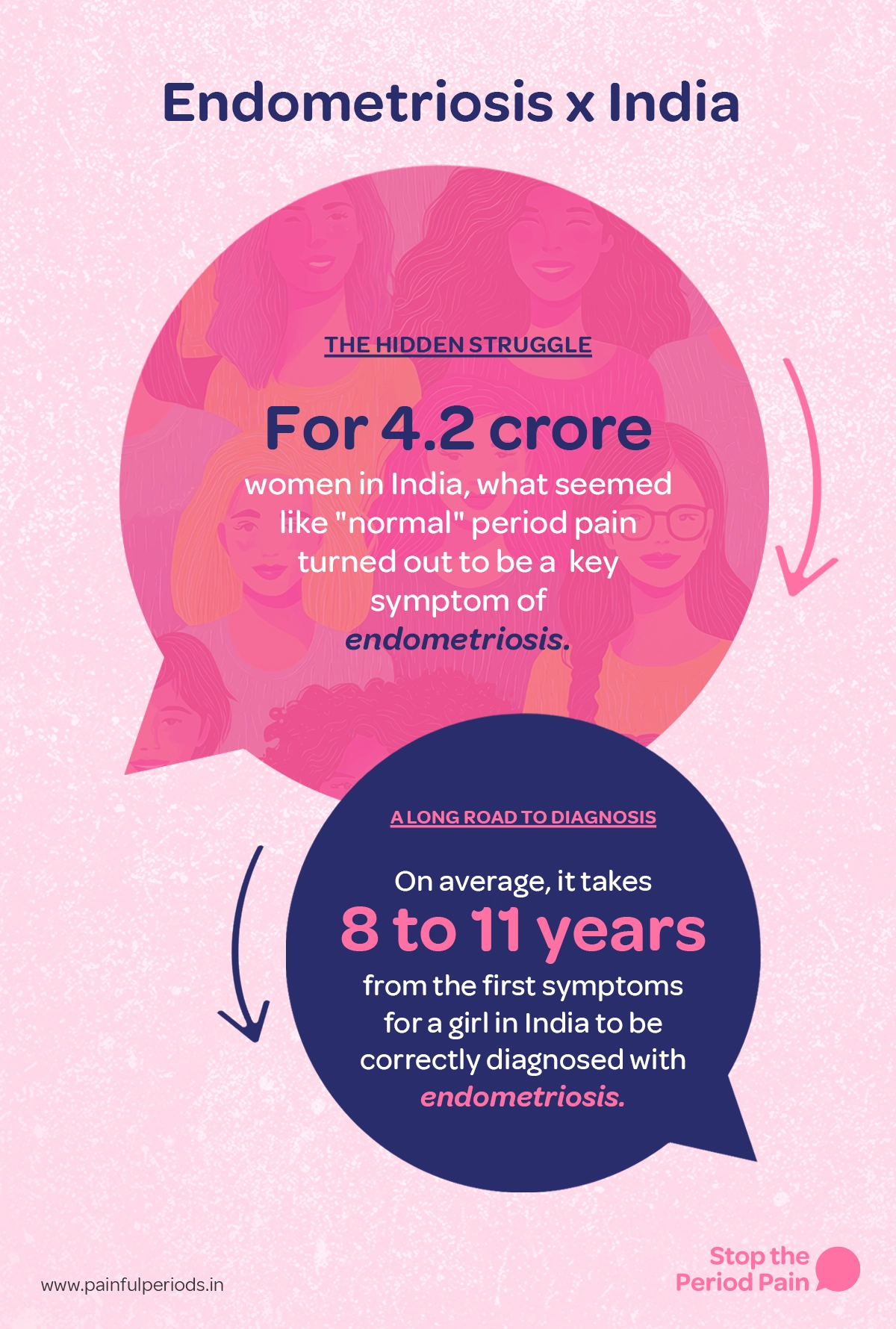
According to the Endometriosis Society of India, endometriosis affects an estimated 25 million women in India [Reference 1]. Furthermore, reports from two of India’s most recognised daily newspapers, the Times of India and the Business Standard, state that around 42 million women in India suffer from the condition and have called for a comprehensive national health policy to address it.
Endometriosis often goes undiagnosed or misdiagnosed for an average of 8 to 11 years from the onset of symptoms, a delay that can significantly impact a woman’s quality of life and fertility.
This page is dedicated to understanding endometriosis: what it is, its symptoms, potential causes, and the available treatments that can offer significant relief, just like Ishani eventually found.
What is Endometriosis?
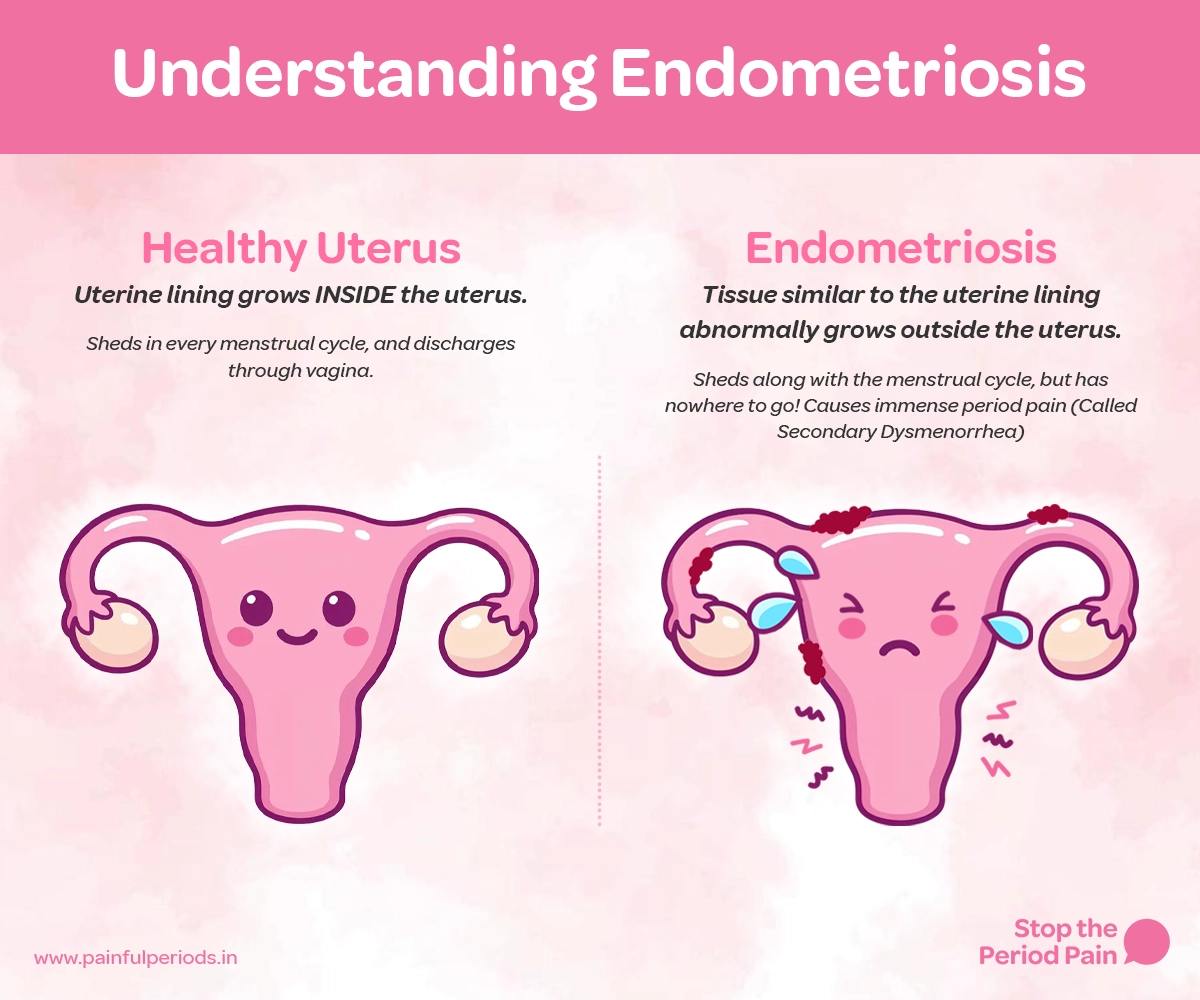
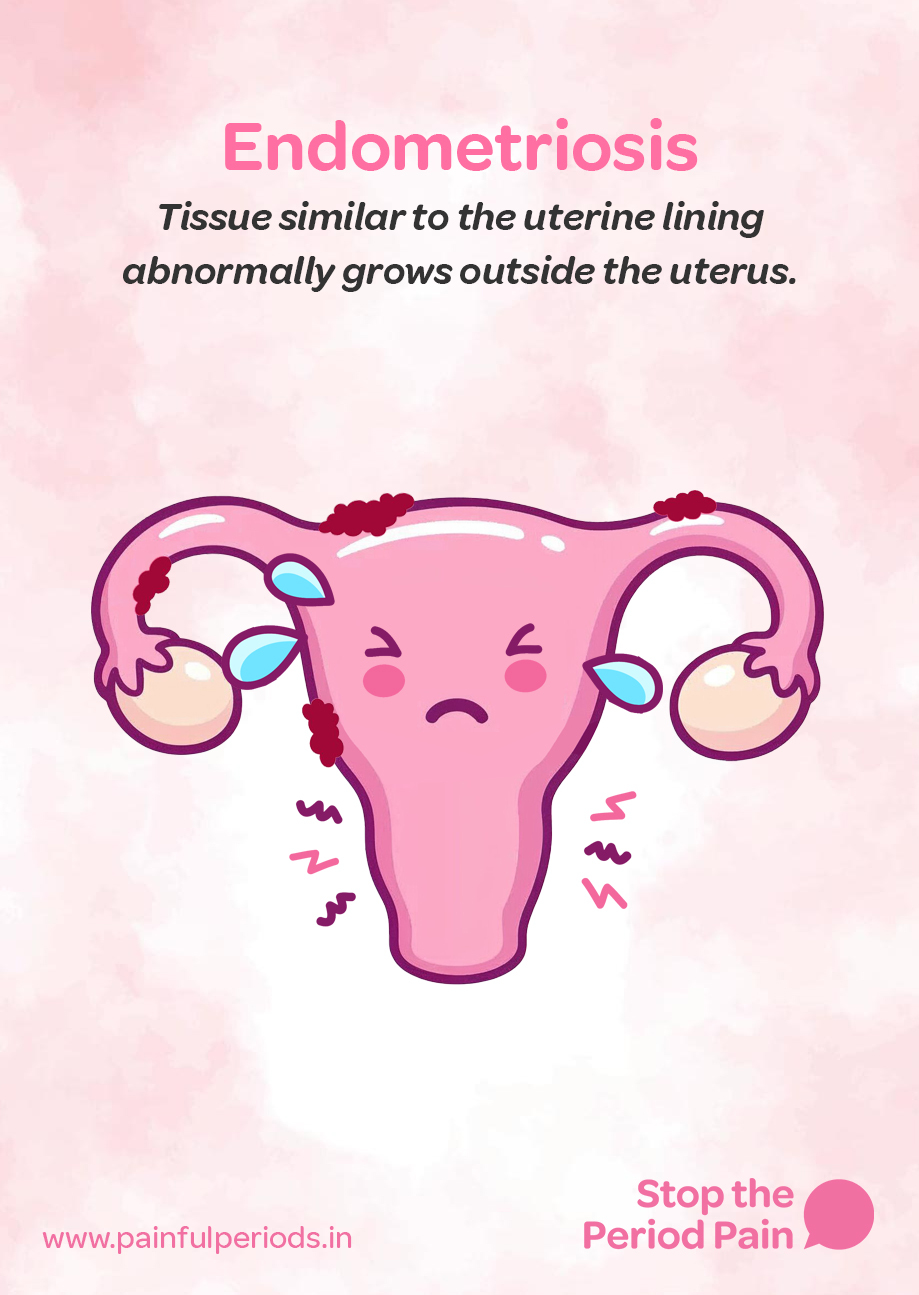
Endometriosis is a condition where tissue similar to the uterine lining (the endometrium) grows outside the uterus. This misplaced tissue can be found on the ovaries, fallopian tubes, and other areas in the pelvic cavity. Just like the lining of the uterus, this endometrial-like tissue thickens, breaks down, and bleeds with each menstrual cycle. However, because this blood has nowhere to exit the body, it can cause inflammation, scar tissue, adhesions (bands of fibrous tissue that can cause organs to stick together), and pain.
Endometriosis Symptoms: Recognising the Red Flags
While the primary symptom of endometriosis is often severe menstrual pain (dysmenorrhea), it’s crucial to recognise that the pain associated with endometriosis is often more intense and can differ from typical period cramps. Many women with endometriosis describe pain that significantly impacts their daily life. If you are wondering how you know if your painful periods are due to endometriosis, or if you are curious about what are the first signs of endometriosis, paying close attention to these symptoms is key.
Common Endometriosis Symptoms
Severe Period Pain
Pain that is significantly worse than normal period cramps and may not be relieved by over-the-counter pain medication. You may also notice that your pain gets progressively worse over time.
Pelvic Pain Outside of Periods
Many women with endometriosis experience chronic pelvic pain that isn’t limited to their menstrual cycle. If you are asking yourself, “Can endometriosis cause pain outside of periods?” the answer is yes.
Pain During or After Intercourse (Dyspareunia)
This is a common symptom due to the location of endometrial implants.
Painful Bowel Movements or Urination
These symptoms may occur, particularly during menstruation, if endometrial tissue is present on or near the bowel or bladder.
Heavy Bleeding (Menorrhagia) or Irregular Periods
While not always the case, endometriosis can sometimes be associated with changes in menstrual flow. If you are concerned and want to know more, you can explore whether endometriosis makes periods heavier or irregular.
Fatigue
Persistent tiredness is a common complaint among women with endometriosis.
Infertility
Endometriosis can sometimes make it difficult to conceive.
Endometriosis Causes: What We Know
The exact endometriosis causes are not fully understood, but several theories exist. The most widely accepted is retrograde menstruation, where menstrual blood containing endometrial cells flows backward through the fallopian tubes. It’s also believed that genetics, a malfunctioning immune system, and hormonal factors may play a role.
Diagnosing Endometriosis: Seeking Answers
If you suspect you might have endometriosis based on your symptoms, the first step is to consult a gynaecologist. They will listen to your detailed medical history and use common diagnostic methods to understand if you have endometriosis:
Pelvic Exam
A physical examination to check for any abnormalities.
Ultrasound
An imaging technique that can help identify cysts associated with endometriosis (endometriomas).
Laparoscopy
This is the most definitive way to diagnose endometriosis. It is a minimally invasive surgical procedure where a camera is used to visualise the pelvic organs and confirm the diagnosis.
Do you suspect your period pain could be Endometriosis?

Endometriosis Treatment: Finding Your Path to Relief
While there is currently no cure for endometriosis, effective endometriosis treatment options are available to manage symptoms and improve quality of life. The best treatment approach will depend on the severity of your symptoms and your individual circumstances.
Your gynaecologist will discuss various treatment options, which may include:
- Pain Medication: Prescription based non-steroidal anti-inflammatory drugs (NSAIDs) can help manage pain.
- Hormonal Therapy: Medications like birth control pills can help slow the growth of endometrial tissue and manage symptoms.
- Surgery: Laparoscopic surgery can be used to remove endometrial implants and scar tissue, providing pain relief and potentially improving fertility.
- Lifestyle Changes: Many women also ask if lifestyle changes can help reduce endometriosis pain. While not a cure, incorporating gentle exercise, stress management, and an anti-inflammatory diet can provide significant relief.
Endometriosis Without Intervention: The Cost of Waiting
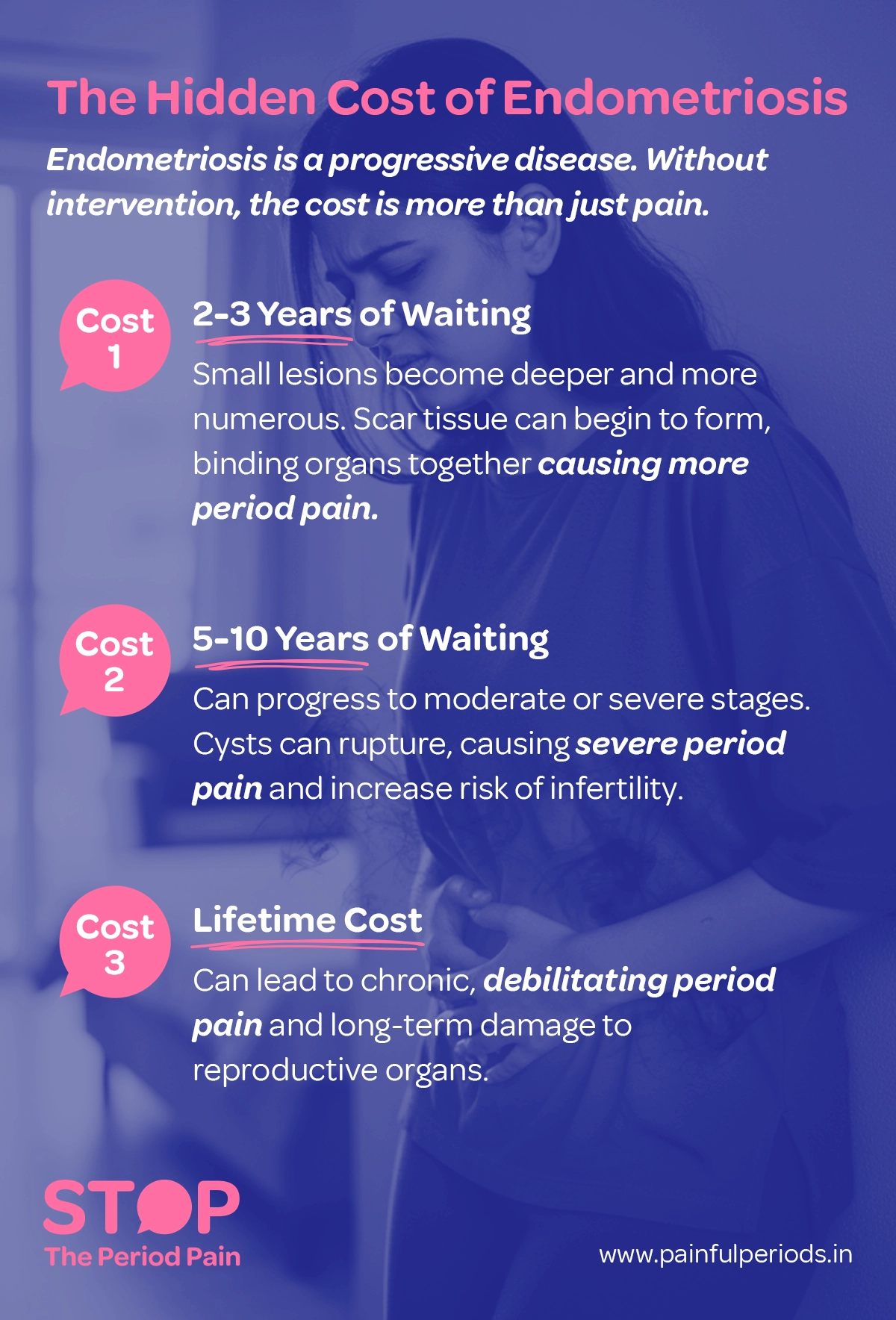
Endometriosis is a progressive disease. Without intervention, the misplaced tissue can continue to grow, leading to increasing severity of symptoms and long-term health complications. The normalisation of pain and the delay in diagnosis mean that many women don’t receive treatment until the disease has progressed significantly.
Here’s a look at what can happen with no intervention:
After 2-3 Years of No Intervention
The small, superficial lesions that may have initially caused minimal pain can become deeper and more numerous. This can lead to the formation of adhesions (scar tissue) that can begin to bind organs together, causing more pain and potential dysfunction.
After 5-10 Years of No Intervention
The disease can progress to moderate or severe stages. You may develop endometriomas, or “chocolate cysts,” on your ovaries. These can rupture, causing severe pain. The extensive scar tissue can distort pelvic anatomy, significantly increasing the risk of infertility. This is a common point where women, who may have been trying to conceive, finally seek a diagnosis.
The Lifetime Cost of Non-Intervention in Endometriosis
Over a woman’s lifetime, ignoring endometriosis pain can lead to chronic, debilitating pain, significant mental health challenges, and long-term damage to reproductive organs. On a global scale, the women’s health gap, driven in part by conditions like endometriosis, is estimated to cost the world 75 million years of life lost due to poor health annually, which is the equivalent of seven lost days per woman per year [Reference 2]. This highlights the immense personal and societal cost of untreated conditions.
Related Gynaecological Conditions
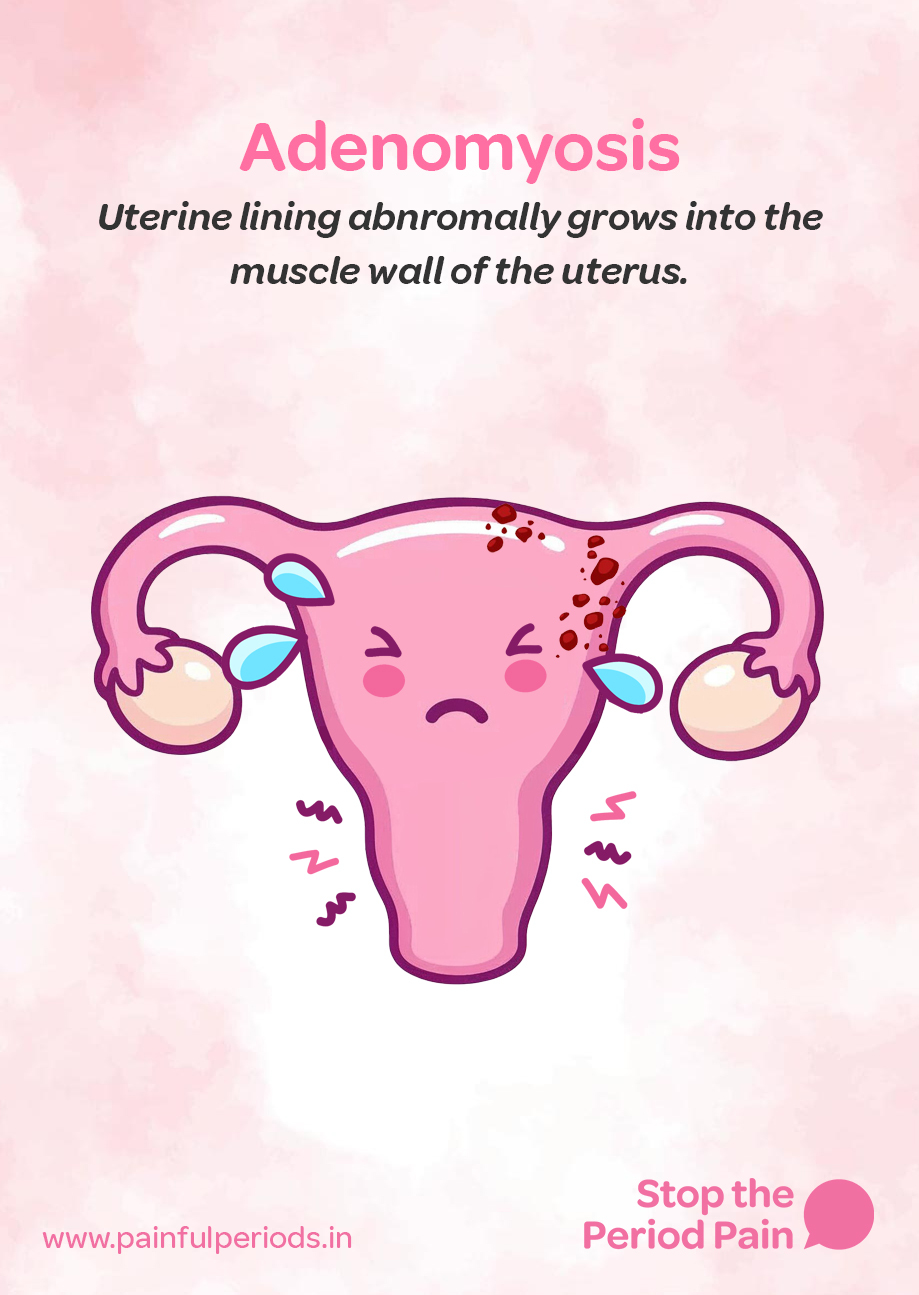
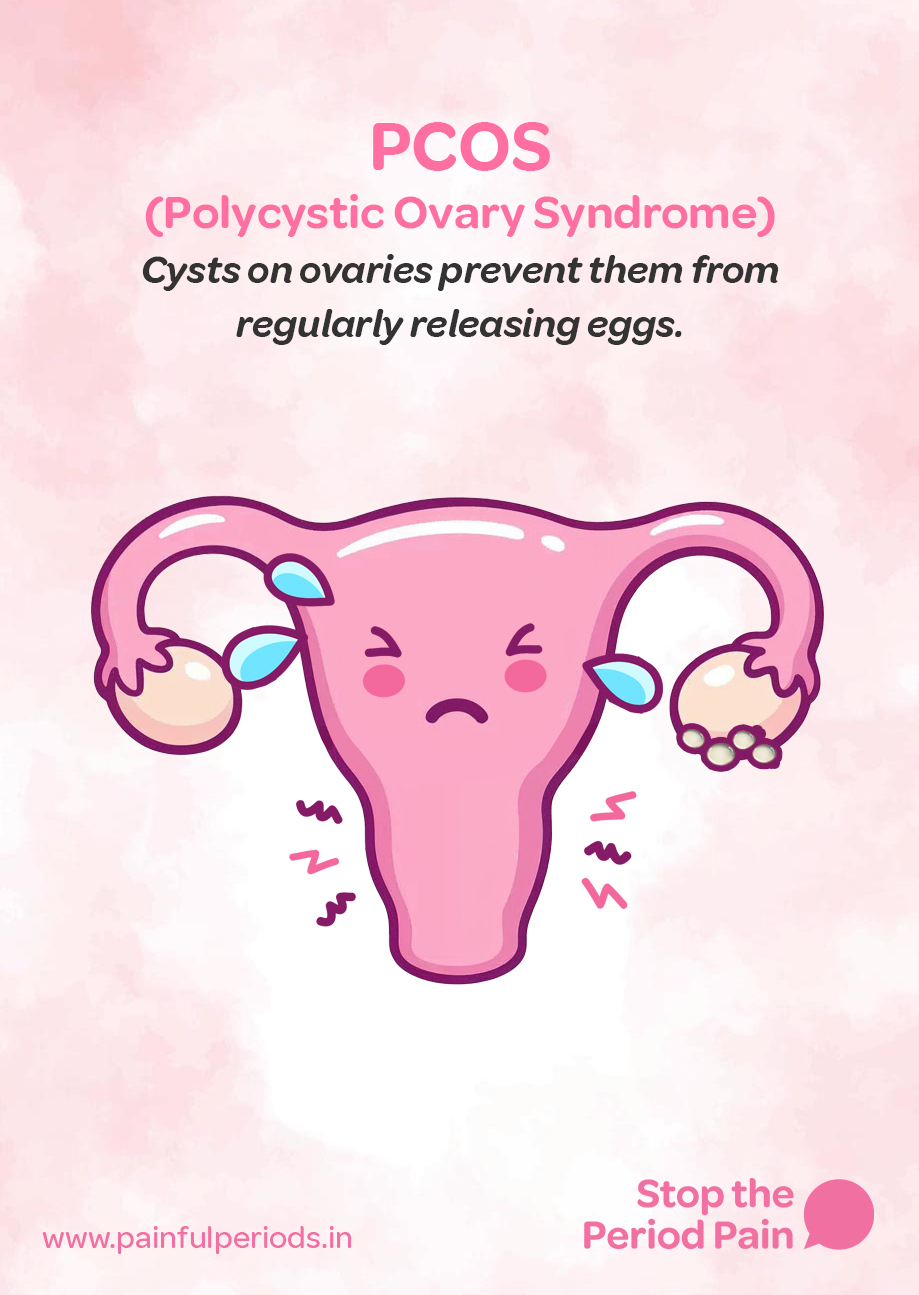
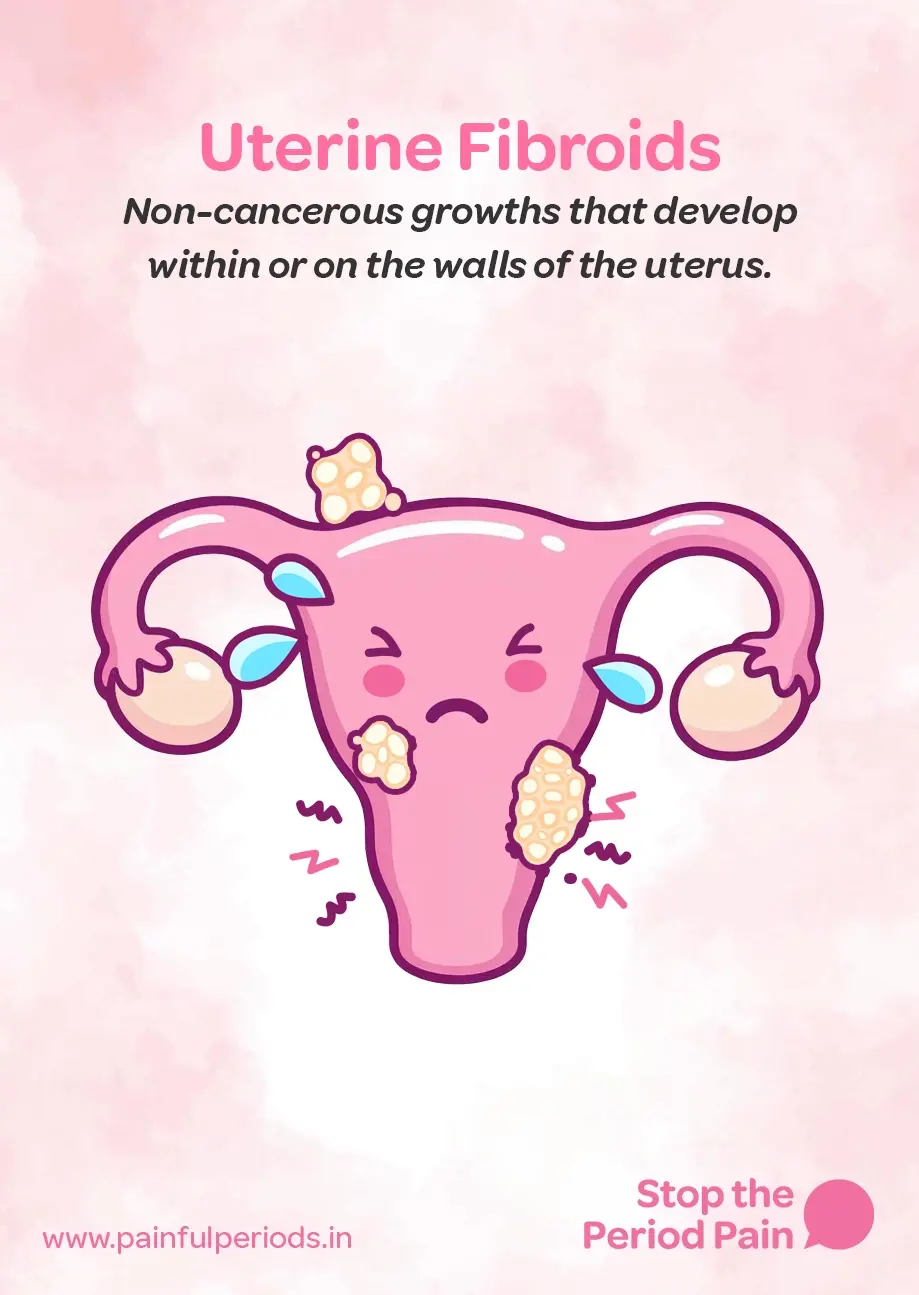
If you are diagnosed with endometriosis, your gynaecologist may also check for other related conditions such as Adenomyosis and PCOS, as these conditions can sometimes coexist or share similar symptoms. We also have a dedicated guide on Uterine Fibroids.
Hope and Support: Tackling Endometriosis In India
Just like Ishani, who found relief and a renewed sense of well-being after her diagnosis and treatment, there is hope for managing your endometriosis and living a full and active life. The pain of endometriosis is often dismissed as “just a part of being a woman,” leading to years of suffering, misdiagnosis, and a significant toll on a girl’s physical and mental well-being. But it doesn’t have to be this way. By empowering our girls with knowledge and creating supportive systems, we can change the narrative around period pain and ensure early intervention for those who need it most. Here’s what schools in India must do:
Expand Period Education Beyond Hygiene
School curricula should move beyond basic menstrual hygiene to include comprehensive Period Pain Workshops. These workshops should educate girls on the signs of common disorders like period pain & endometriosis, empowering them to recognise and seek help for abnormal symptoms.
Establish Accessible Period Health Points
Schools and colleges should have designated “Period Health” counselors or nurses. This creates a safe, non-judgmental space where girls can discuss their symptoms and get professional advice without fear of stigma.
Role of Govt. Policy
As the article in The Times of India points out, initiatives under “Beti Bachao, Beti Padhao” can increase awareness, promote early diagnosis, and ensure access to comprehensive care for women suffering from endometriosis.
Living with endometriosis can be challenging, but remember that you are not alone. Seeking support from healthcare professionals, family, friends, and support groups can make a significant difference in your journey.
Your Journey to Knowledge, One Story at a Time
Transform your understanding of PCOS through engaging and informative stories based on real medical insights.
The Answers You've Been Looking For
Get clear, concise answers to your most pressing questions about endometriosis.
- Can endometriosis cause pain outside of periods?
- Does Endometriosis Make Periods Heavier or Irregular?
- Can endometriosis cause extremely painful periods?
- What are the first signs of endometriosis?
- How is endometriosis different from normal period pain?
- What causes endometriosis-related menstrual pain?
- How Is Endometriosis Diagnosed in Women with Painful Periods?
- What Treatments Help with Painful Periods Caused by Endometriosis?
- Are Painful Periods a Sign of Good Fertility?
Your Journey to #StopThePeriodPain Starts Here
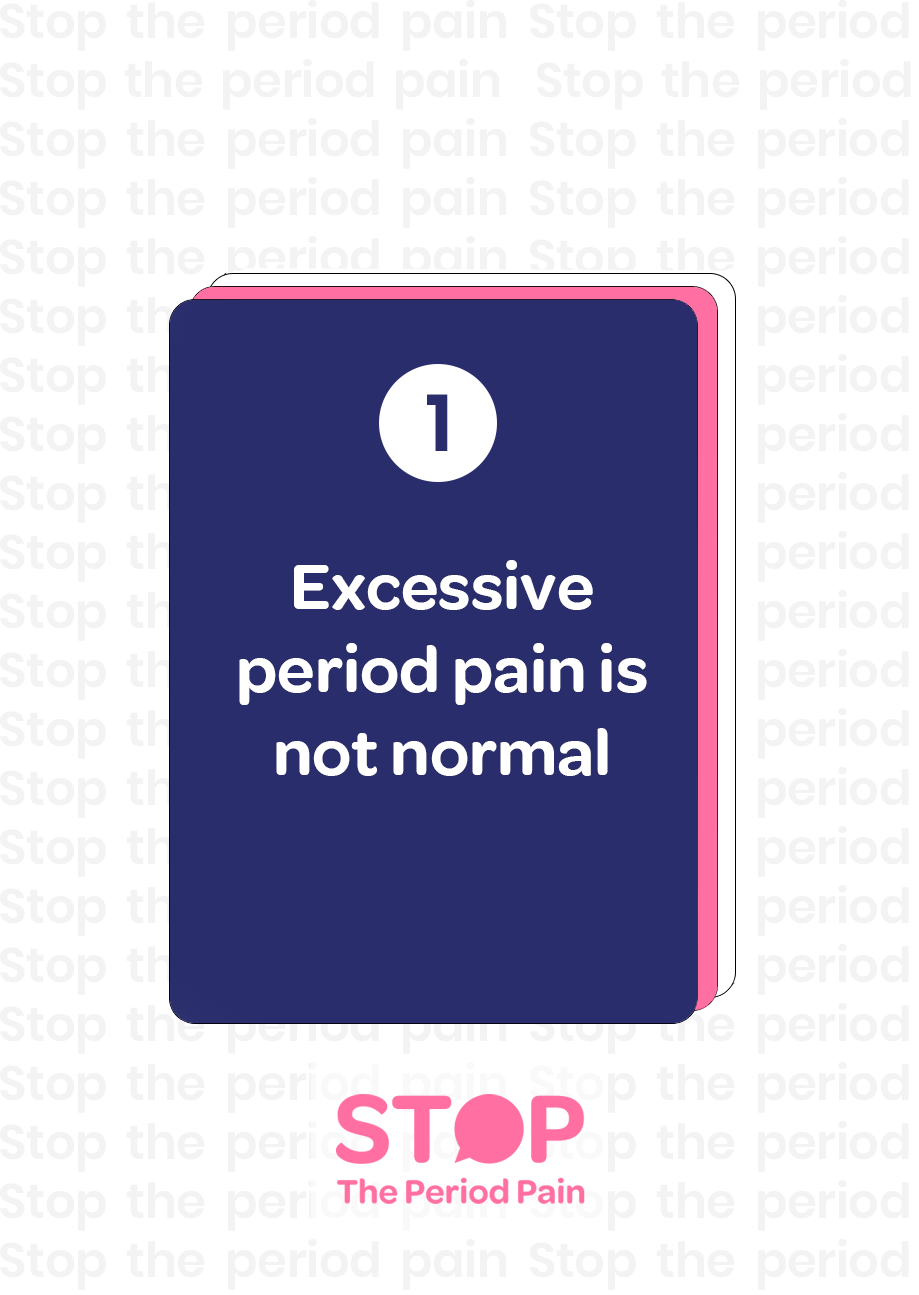
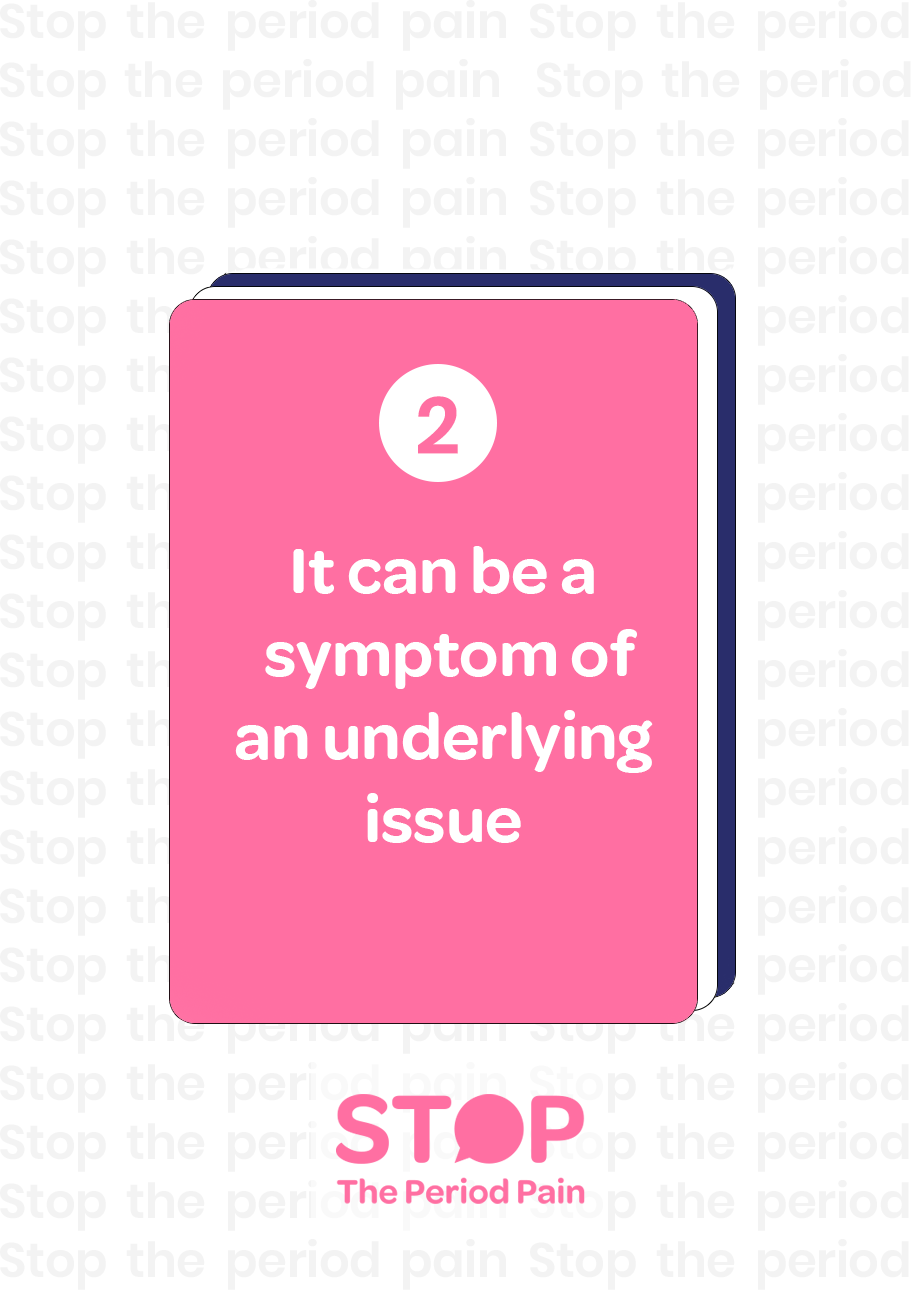
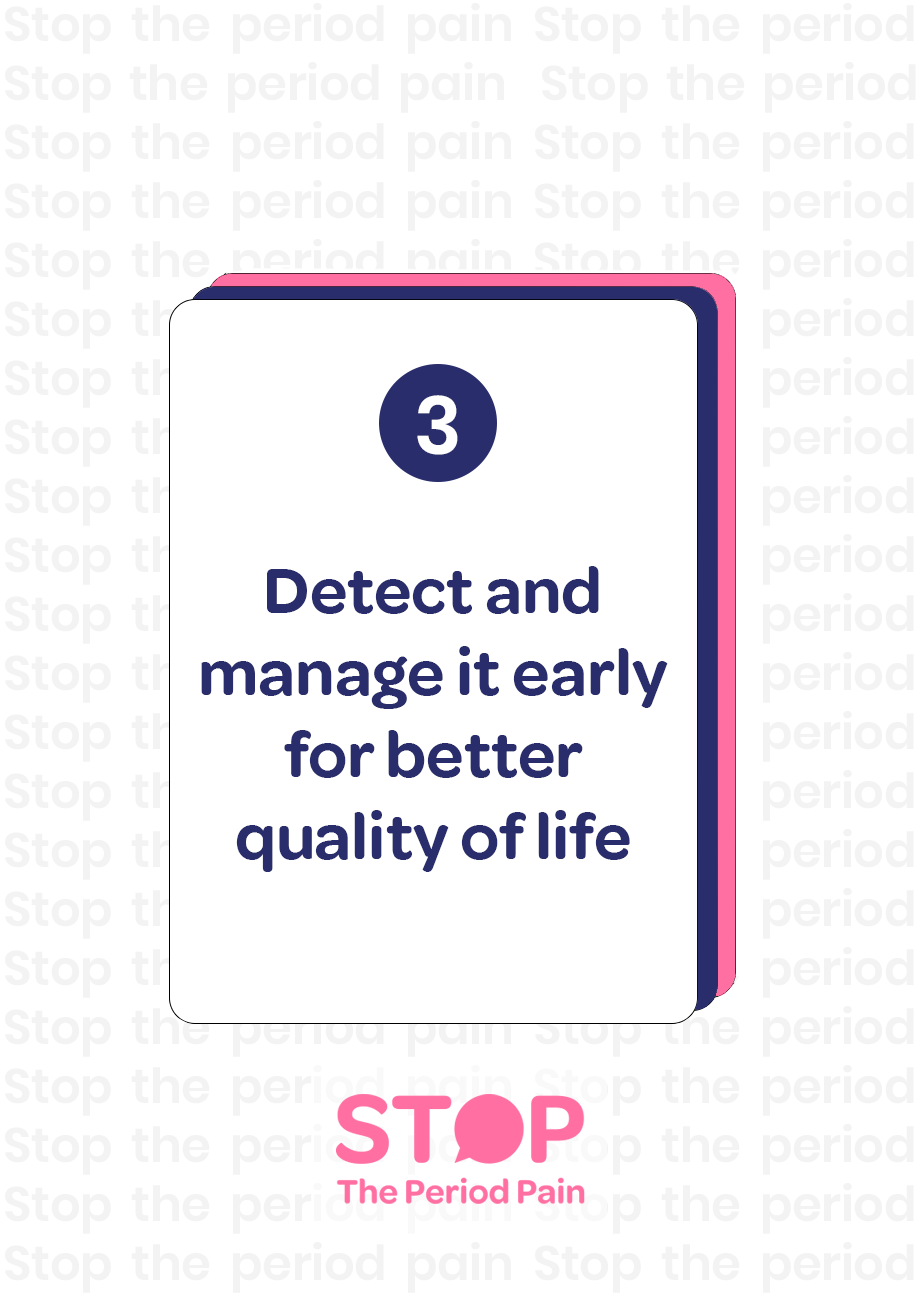
Every month, millions of Indian girls & women suffer in silence, told that their severe period pain (dysmenorrhea) is “normal.” Our mission is to break that silence. #StopThePeriodPain campaign is here to empower you with 3 simple truths:
References:
- Endometriosis Society of India: Endometriosis: A Clinical Experience of 500 Patients from India
- McKinsey Health Institute: Closing the women’s health gap
- The Times of India – Endometriosis Awareness: Need for comprehensive health policy in India
- The New Indian Express – Women with endometriosis don’t get proper care worldwide, says Lancet
- Business Standard – Endometriosis: The missed disease affecting 42 million Indian women
- Motherhood Women & Children’s Hospital