Periods are an unavoidable part of every girl’s life. In many ways, your period is like a monthly health report card—it is a great way of telling if everything in your body is working fine. This is why having the correct knowledge about your menstrual cycle, and the problems associated with it, is so important.
However, culturally, Indian girls are often told that “period pain to sabko hota hai” (period pain happens to everyone). This commentary has normalized suffering to such an extent that it has started masking serious menstrual issues where period pain is actually a warning symptom. One such condition is Adenomyosis, which over 2.35 crore women in India suffer from. If we can educate girls on when period pain is “normal” and when it is a sign of an underlying condition, we can significantly reduce the gynecological burden in our country.
In This Story
The Usual Period Pain: Dysmenorrhea
If you are visiting our website for the first time, you may not know that period pain (medically called dysmenorrhea) becomes severe when the body goes into an overproduction of prostaglandins.
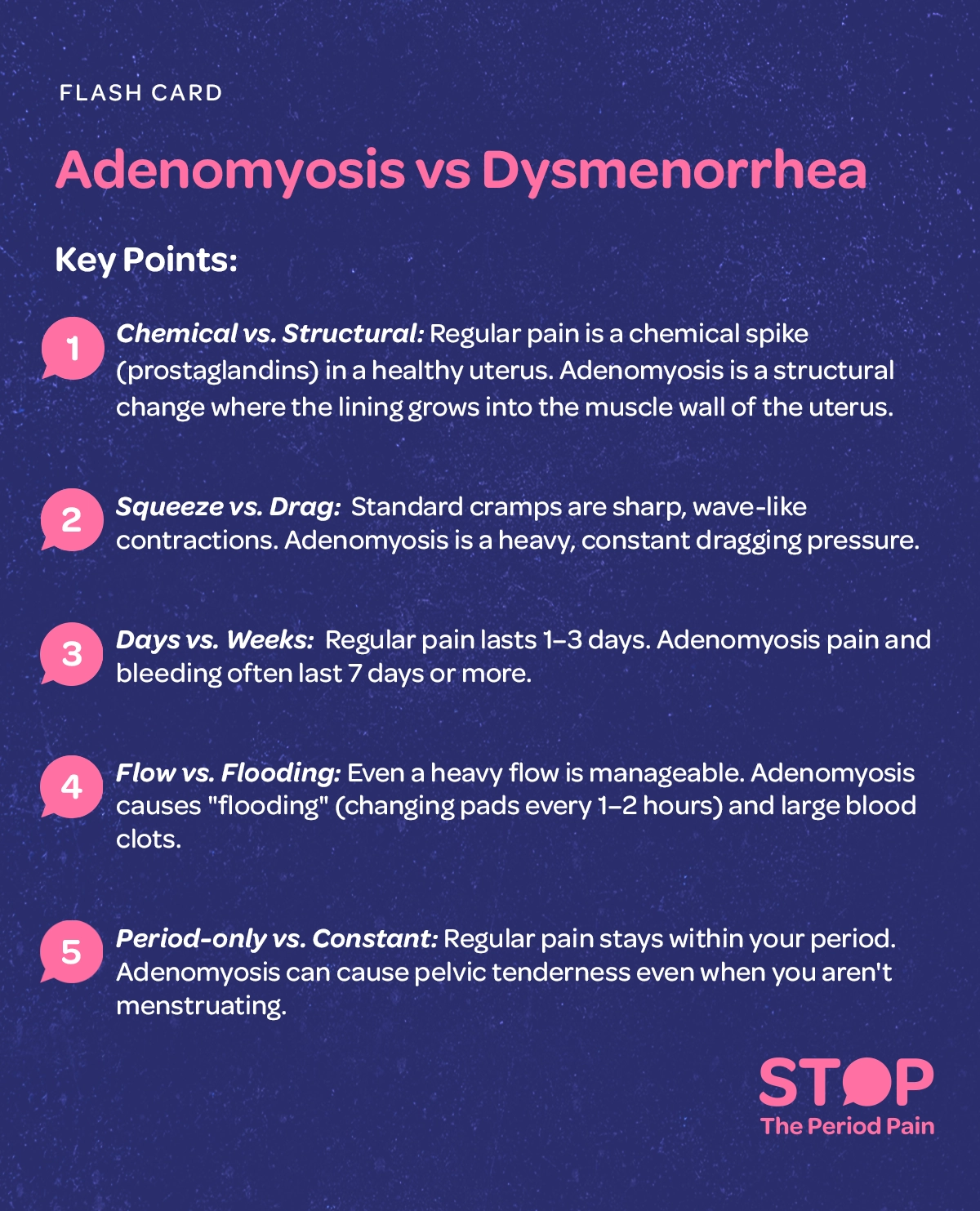
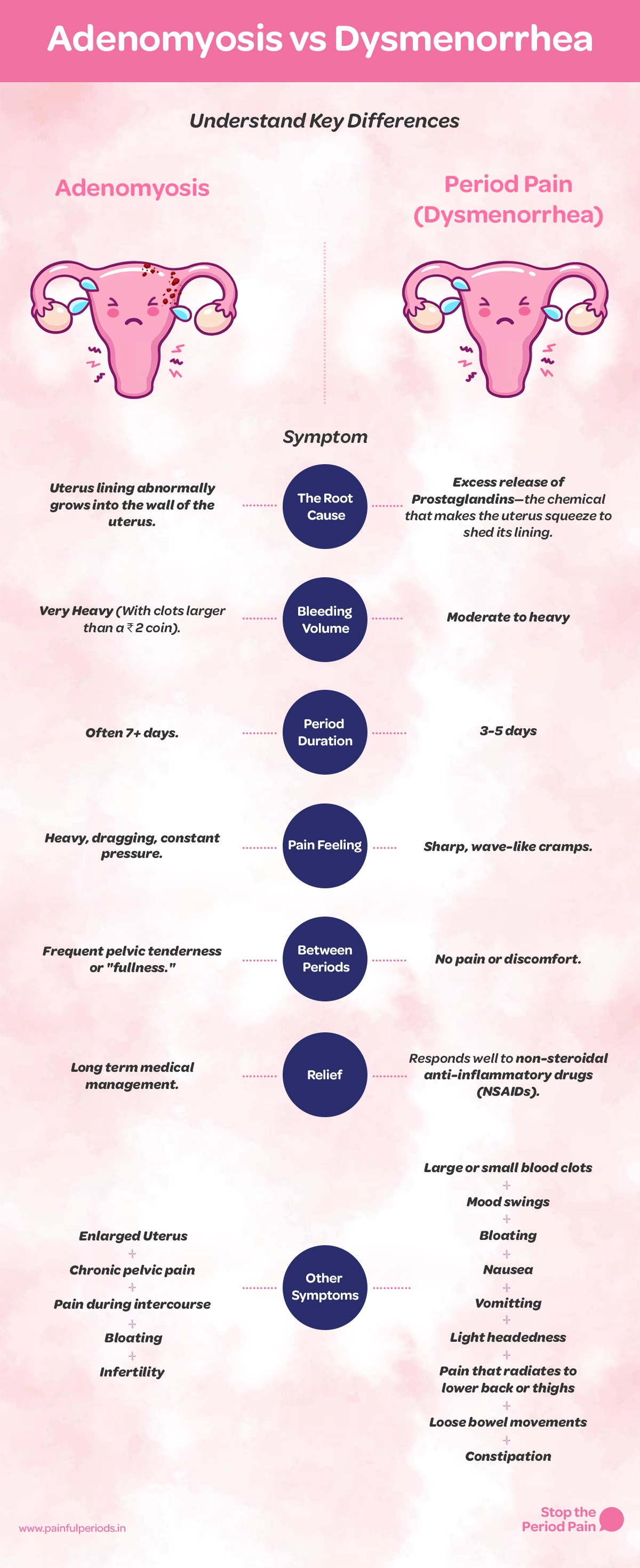
These are the chemicals that signal the uterus to shed its lining by causing it to squeeze. The math is simple: Higher levels of prostaglandins = Tighter and more intense squeeze = More period pain. This is the “usual” pain that girls are told to brave out, even if it means missing school, college, or work. But when period pain is a symptom of Adenomyosis, it becomes distinctly different.
Hit Up Our Period Pain Calculator
For real, how bad is your pain? Our interactive tool uses a 1-10 pain scale and a few quick questions to help you get the full picture. In just a few clicks, you’ll know if your pain is a chill or a major red flag.

How Regular Periods Work vs. Adenomyosis
To understand why Adenomyosis feels different, let’s look at the basics. Every month, the lining of your uterus (the endometrium) becomes thick and plush, preparing for a fertilized egg. The ovaries release an egg, and if it isn’t fertilized, the body prepares to shed that lining.
In a healthy cycle, this lining grows ON the inner wall of the uterus. When your period starts, the uterus squeezes to push this lining out through the cervix.
In Adenomyosis, the story changes: The lining doesn’t just grow on the wall; it grows INTO the muscular wall of the uterus.
When your period starts, this lining begins to shed just as it’s supposed to. But because some of it is trapped deep inside the muscle wall, the blood has nowhere to go. This causes the uterus to become:
- Swollen: Like a bruised muscle that keeps getting hit.
- Tender: The uterus often becomes “bulky” or enlarged.
- Heavily Painful: Unlike the “crampy” squeeze of regular pain, this feels like a heavy, dragging pressure that doesn’t seem to let up.
Is it Regular Period Pain or Adenomyosis? 5 Signs You Shouldn't Ignore
Even after understanding the science, it is natural to have doubts. You might ask: “My pain is severe, but how do I know if it’s just excess prostaglandins or something deeper like Adenomyosis?”
The answer lies in looking beyond the cramps. While regular period pain is usually limited to those first few days of “squeezing,” Adenomyosis leaves distinct footprints on your cycle that a healthy uterus simply doesn’t.
If you are experiencing any of the following, these are tell-tale signs that are almost never present in normal period pain:
- Heavy Bleeding (Menorrhagia): Needing to change your pad or tampon every one to two hours, or having to wake up in the middle of the night to change it.
- Prolonged Periods: Your bleeding doesn’t stop after the usual 4–5 days; instead, it stretches on for more than a week.
- Large Blood Clots: Passing clots that are larger than a coin (about 2 cm in diameter). This happens because the heavy volume of blood is shedding faster than your body can thin it out.
- Chronic Pelvic Pain: Feeling a sense of “heaviness,” tenderness, or pressure in your lower abdomen even when you are not on your period.
- Pain During Intercourse: Because the uterus is enlarged and tender (a condition doctors call a “bulky uterus”), physical pressure can become very painful.
The "Bulky" Difference
In regular period pain, your uterus remains a normal size. In Adenomyosis, because the lining is trapped inside the muscle wall, the uterus can grow to double or triple its size. This is why women with Adenomyosis often feel a “dragging” sensation or find that their clothes feel tighter around the waist during their cycle—not just from gas, but from physical swelling.
Gynaecologist’s Advise:
The most important thing I want you to know is this: Your pain is real, and you don’t have to “brave” it alone. Many girls feel like they are failing a test of strength when they can’t handle their periods, but if you have Adenomyosis, you aren’t fighting a “normal” cramp—you are fighting a structural change in your body. Seeking help isn’t a sign of weakness; it’s an act of self-care. Whether we are managing a prostaglandin spike or a “bulky” uterus, my goal is to help you move from enduring your life to living it with confidence.
The Moral of the Story
The real danger isn’t the condition itself; it’s the cultural silence that tells us to “brave it out.” Believing that extreme pain is a badge of honor doesn’t make you stronger—it only delays the care you deserve.
The lesson is simple: Your period is a report card, not a test of your endurance.
While regular period pain can be stopped in its tracks, Adenomyosis is a journey of management. Once you stop the silence and understand the “why” behind your pain, you take back control of your body and your life.
Your Journey to #StopThePeriodPain Starts Here
Every month, millions of Indian girls & women suffer in silence, told that their severe period pain (dysmenorrhea) is “normal.” Our mission is to break that silence. #StopThePeriodPain campaign is here to empower you with 3 simple truths:
More Stories To Read
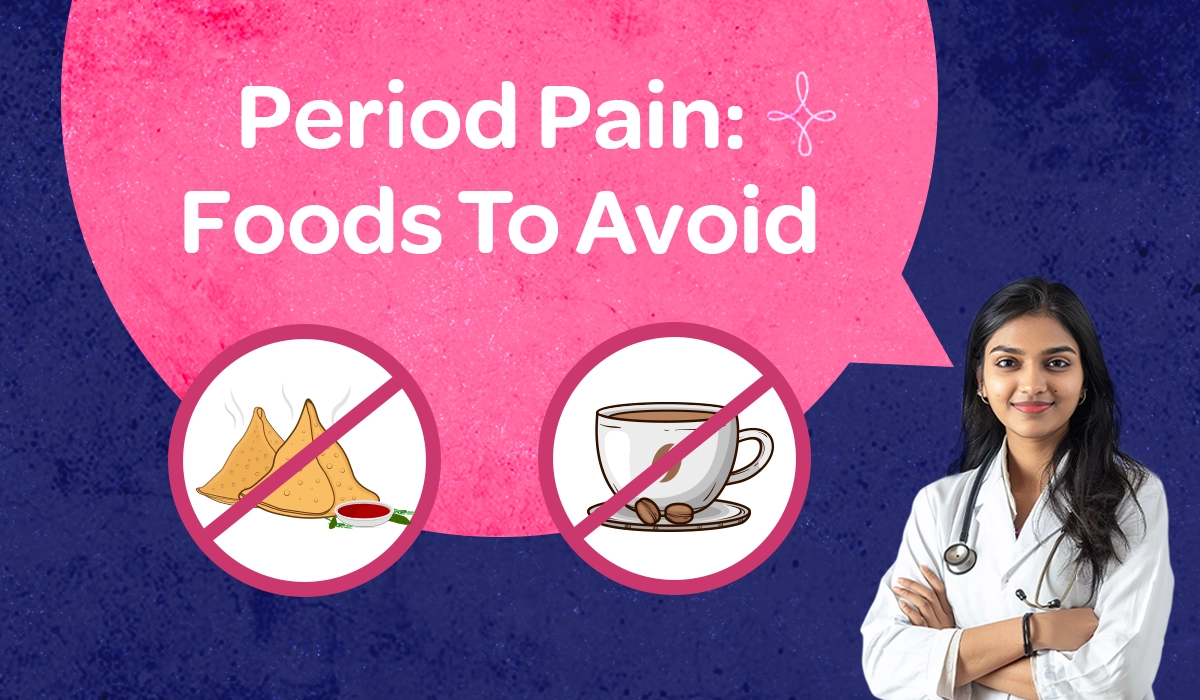
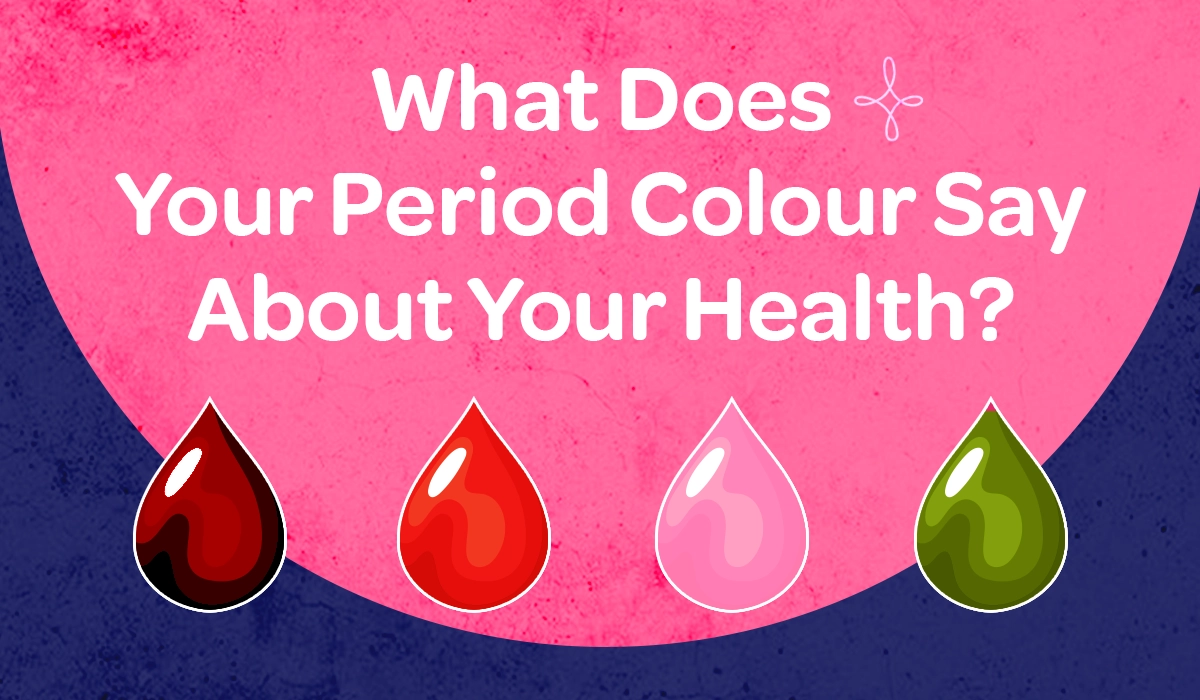
Transform your understanding of period pain through engaging and informative stories based on real medical insights.
The Answers You've Been Looking For
Get clear, concise answers to your most pressing questions about period pain.
- Can Menstrual Pain Cause Depression?
- What is the cause of period pain?
- What are the symptoms of period pain?
- Why is my period so clotty and painful?
- What do large blood clots during period mean?
- When to see a doctor for painful periods?
- What will a gynaecologist do for painful periods?
- Can dysmenorrhea cause depression?
- What is the best treatment for period pain?
- How do you relieve period pain in teens?
Disclaimer:
This content is for informational purposes only and is not a substitute for professional medical advice. The information provided here is based on general trends and may not apply to every individual, as every woman’s body and experience with period pain is unique.
Do not self-diagnose or self-treat. If you are experiencing painful periods, especially if the pain is moderate to severe or accompanied by other concerning symptoms, you must consult with a gynaecologist. Ignoring severe period pain can lead to a significant delay in diagnosing underlying conditions that require proper medical attention. Always prioritise a confident conversation with your gynaecologist over self-treatment.