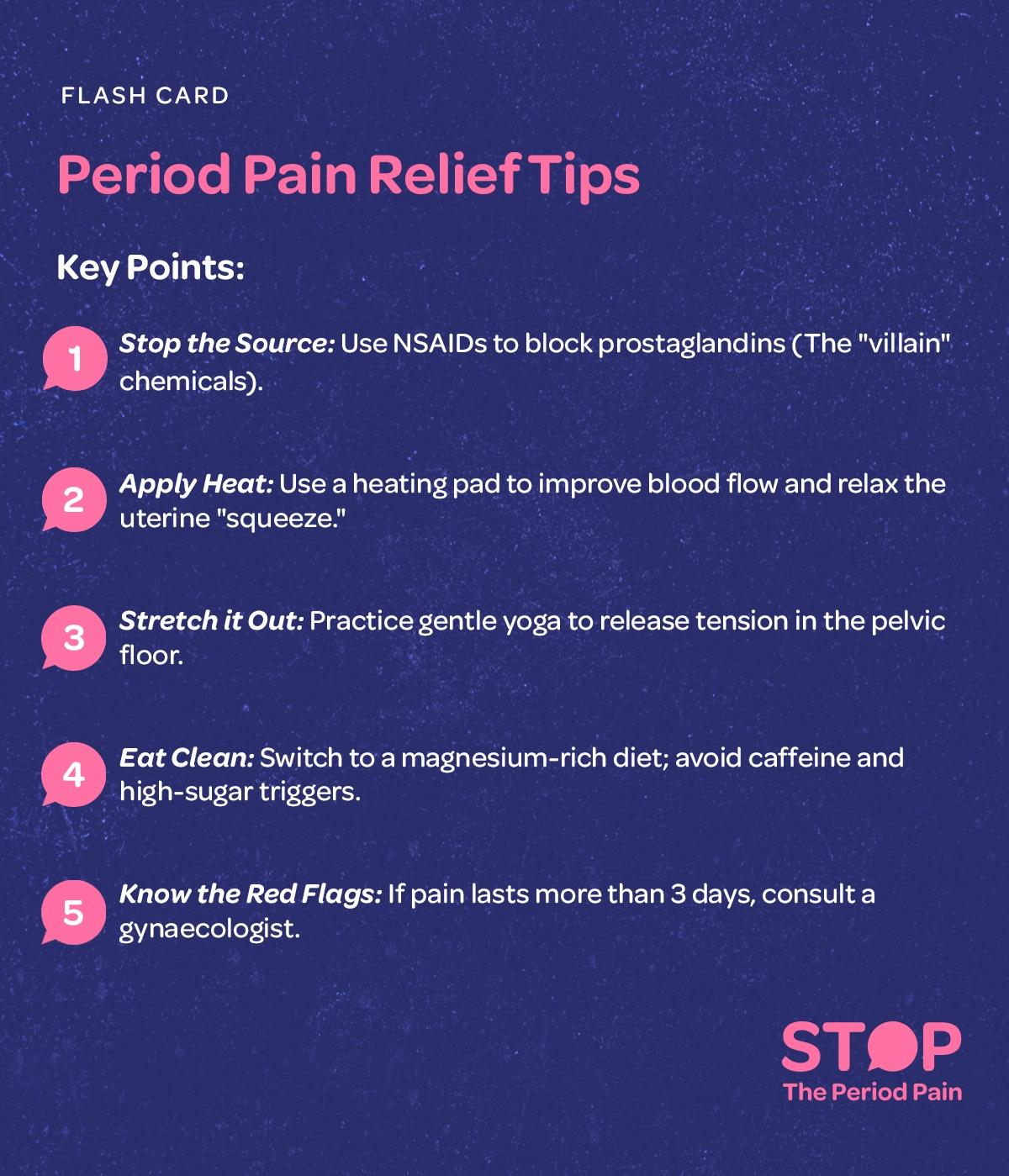
For many girls and women in India, the monthly arrival of their period comes with a familiar sense of dread. They have been told that “period pain sabko hota hai” and braving out their period is a sign of strength, but the truth is that severe pain is a medical signal, not a badge of honour. Hence, period pain should not be taken lightly.
If you are looking for effective period pain relief tips, the first step is understanding your “why.” Is your pain a temporary chemical spike, or is it a structural signal from other gynaecological conditions? Here are 5 period pain relief tips you will ever need in your life.
In This Story
- Introduction
- Tip 1 – Target the source of period pain (Excess production of prostaglandins)
- Tip 2 – Use heat therapy to relax the squeezing of uterus (cramps)
- Tip 3 – Practice gentle movement and stretching
- Tip 4 – Make anti-inflammatory diet choices
- Tip 5 – Identify the period pain “Red Flags”
- Gynaecologist’s Advise
- Moral of the story
Tip 1 - Target the source of period pain (Excess production of prostaglandins)
The most effective period pain relief tip is to stop period pain by blocking it where it starts. Most period cramps are caused by prostaglandins—the villain chemicals that make your uterus contract. You know the formula: More Prostaglandins = More Period Pain.
Using gynaecologist-prescribed Non-Steroidal Anti-Inflammatory Drugs (NSAIDs) Spas can shut down the production of prostaglandins. Unlike general painkillers, these are non-steroidal, meaning they don’t affect your hormones or your cycle. For a deeper dive into medical and home-based strategies, check out our guide on how to reduce period pain through targeted action.
Hit Up Our Period Pain Calculator
For real, how bad is your pain? Our interactive tool uses a 1-10 pain scale and a few quick questions to help you get the full picture. In just a few clicks, you’ll know if your pain is a chill or a major red flag.

Tip 2 - Use heat therapy to relax the squeezing of uterus (cramps)
When your uterus is in a state of intense contraction, the blood flow to the muscle tissue decreases, causing pain. Applying a heating pad or a hot water bottle to your lower abdomen helps:
- Relax the uterine muscles.
- Improve blood circulation.
- Provide an immediate “soothing” effect that dulls the sharp sensation of cramps.
Tip 3 - Practice gentle movement and stretching
While it’s tempting to stay curled up in bed, gentle movement can actually help flush out the inflammatory chemicals causing your pain. Specific stretches can release the tension in your pelvic floor and lower back. If you’re looking for a guided routine, explore these 5 yoga poses for period pain relief that focus on opening up the hips and relaxing the midsection.
Tip 4 - Make anti-inflammatory diet choices
What you eat in the days leading up to your period can influence how much pain you feel. High-sugar and high-salt foods can increase bloating and inflammation. Instead, do this:
- Focus on the good: To naturally lower inflammation, you should follow a period diet plan rich in Magnesium, Omega-3s, and Iron. These nutrients act as natural muscle relaxants and replenish what your body loses during a heavy flow.
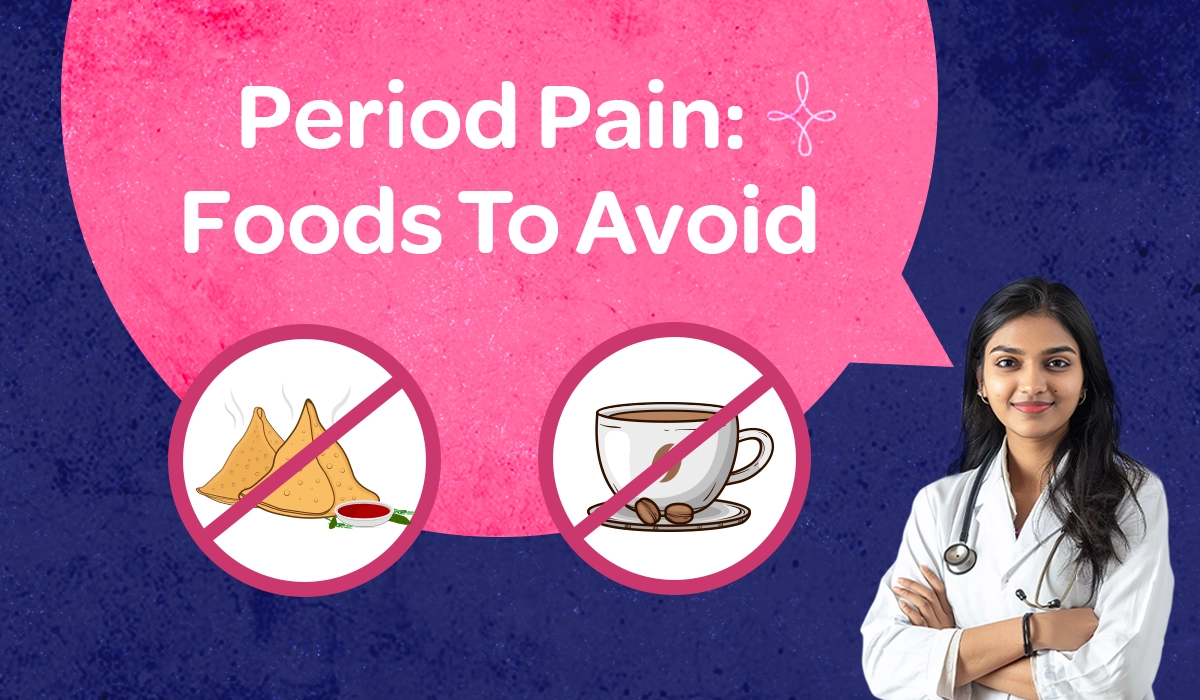
- Identify the triggers: Equally important is knowing what to cut out. To keep your prostaglandin levels in check, you should be aware of the period pain foods to avoid in an Indian lifestyle, such as excessive caffeine, high-sugar sweets, and oily snacks that increase bloating.
Tip 5 - Identify the period pain "Red Flags"
Sometimes, even the best period pain relief tips don’t work because the pain isn’t just coming from a temporary chemical spike. It may be due to a structural change in your reproductive system. If your pain is relentless, it could be a symptom of one of these four conditions:
- Adenomyosis: Where the uterine lining grows into the muscle wall, often leading to a “bulky” or swollen uterus.
- Endometriosis: Where tissue similar to the uterine lining grows outside the uterus, causing inflammation and internal scarring.
- Uterine Fibroids: Non-cancerous growths that can change the shape of the uterus and increase the intensity of contractions.
- PCOS: A hormonal imbalance that can result in an over-thickened uterine lining and more intense shedding
When to stop searching for period pain relief tips and start seeing a doctor:
- Your pain lasts more than 3 days.
- You are “flooding” through pads every hour.
- Relief medication doesn’t seem to work.
Gynaecologist’s Advise:
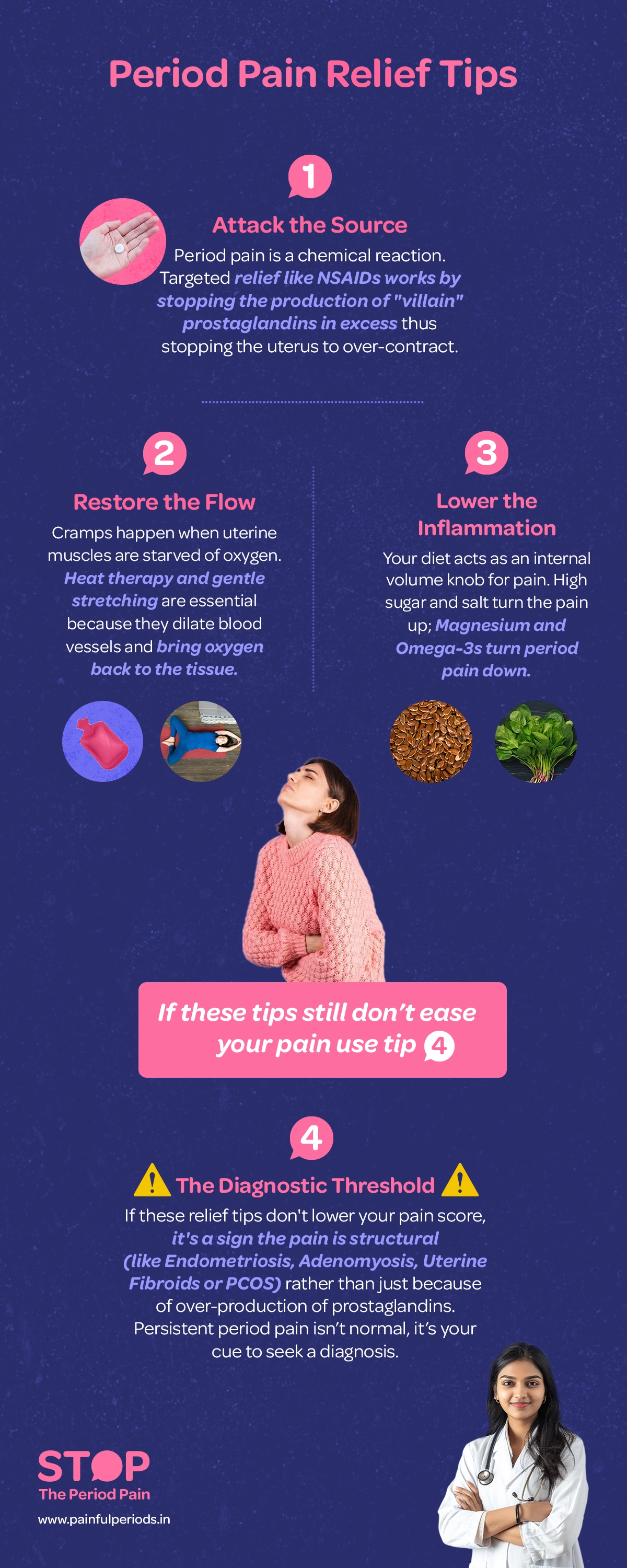
Period pain relief tips is not just about comfort; it is about addressing the physiological ‘squeeze’ of the uterus. Whether you are using heat therapy to restore oxygen-rich blood flow or an NSAID to lower the ‘villain’ prostaglandins, the goal is to stop the uterine muscle from over-contracting or over-squeezing. However, if your pain score remains high despite following these period pain relief tips, it is a clinical indicator that your pain may be structural (associated with conditions like Endometriosis, Adenomyosis, Uterine Fibroids, PCOS) rather than just a temporary chemical imbalance.
The Moral of the Story
Effective period pain relief is about being proactive, not just reactive. Managing your cycle shouldn’t be a monthly battle of endurance; it should be a strategy. By using a combination of targeted medical relief to stop the prostaglandin production and lifestyle adjustments to relax the over-squeezing of the uterus, you can stop the period pain before it stops you.
However, the most important tip of all is to listen to your body’s response. If these period pain relief tips—from heat therapy to prescribed NSAIDs—fail to make a difference, it isn’t because you aren’t trying hard enough; it’s because your body is sending a “Red Flag” that the pain is structural. Use these period pain relief tips to find comfort, but use your gynaecologist to find the cause.
Your Journey to #StopThePeriodPain Starts Here
Every month, millions of Indian girls & women suffer in silence, told that their severe period pain (dysmenorrhea) is “normal.” Our mission is to break that silence. #StopThePeriodPain campaign is here to empower you with 3 simple truths:
More Stories To Read
Transform your understanding of period pain through engaging and informative stories based on real medical insights.
The Answers You've Been Looking For
Get clear, concise answers to your most pressing questions about period pain.
- Can Menstrual Pain Cause Depression?
- What is the cause of period pain?
- What are the symptoms of period pain?
- Why is my period so clotty and painful?
- What do large blood clots during period mean?
- When to see a doctor for painful periods?
- What will a gynaecologist do for painful periods?
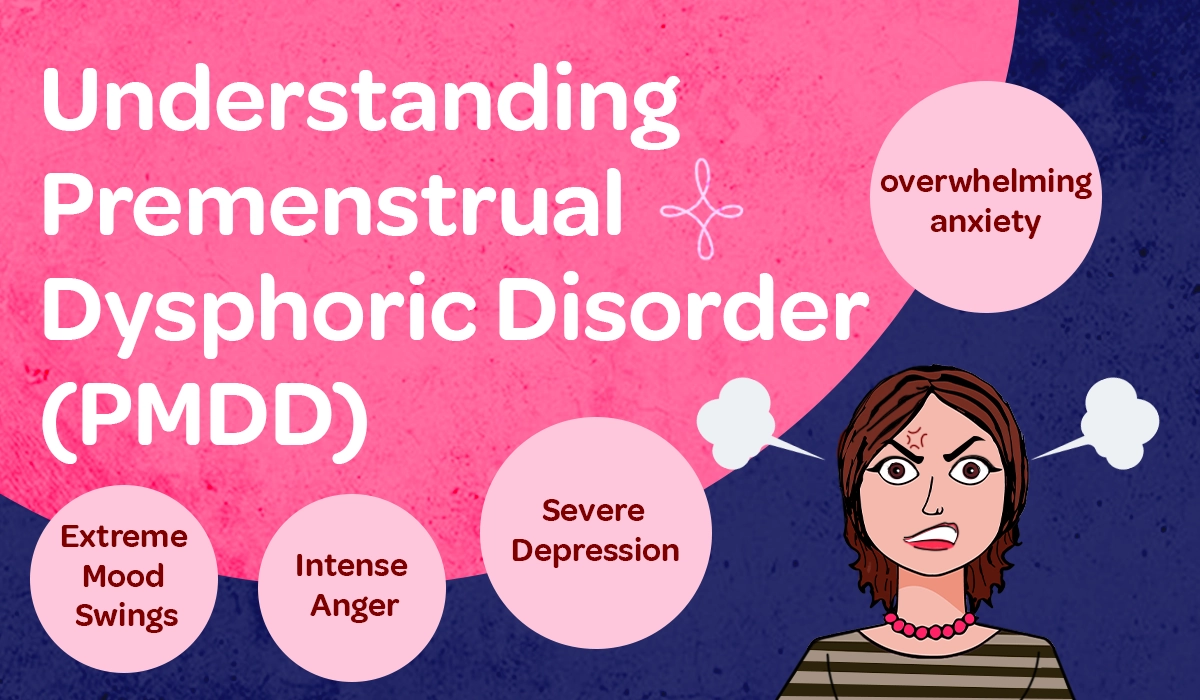
- Can dysmenorrhea cause depression?
- What is the best treatment for period pain?
- How do you relieve period pain in teens?
Disclaimer:
This content is for informational purposes only and is not a substitute for professional medical advice. The information provided here is based on general trends and may not apply to every individual, as every woman’s body and experience with period pain is unique.
Do not self-diagnose or self-treat. If you are experiencing painful periods, especially if the pain is moderate to severe or accompanied by other concerning symptoms, you must consult with a gynaecologist. Ignoring severe period pain can lead to a significant delay in diagnosing underlying conditions that require proper medical attention. Always prioritise a confident conversation with your gynaecologist over self-treatment.