
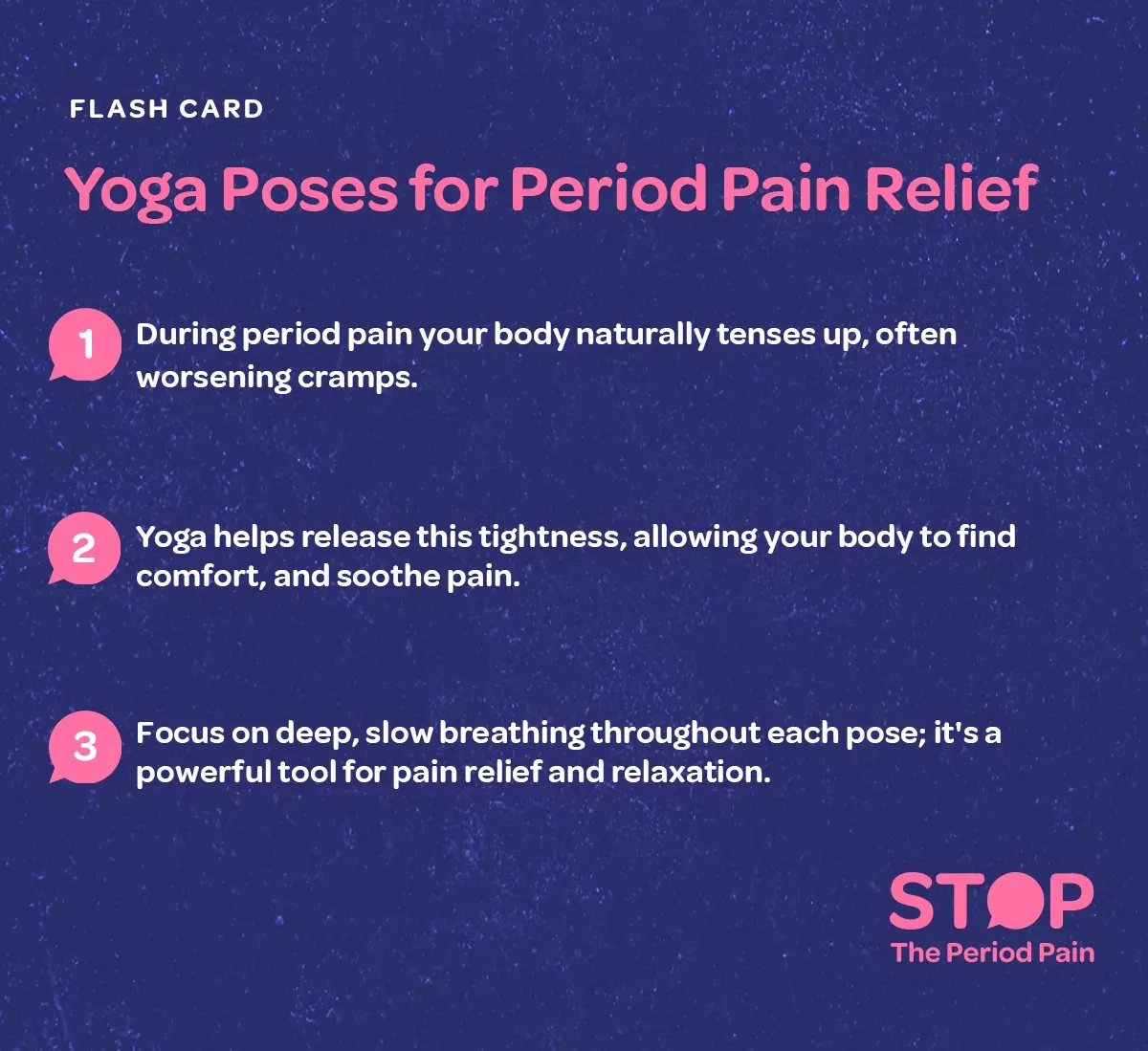
Take a moment and watch this yoga performed by a certified yoga instructor to help ease period cramps and relax your body.
Priya, our vibrant college student, had endured monthly period pain for years, often finding herself curled up in bed, missing classes, and canceling plans. Like countless other young girls in India, she had always been told period pain was “normal” – just something to ignore or probably suffer through. But after a visit to her gynaecologist, understanding that her intense discomfort was actually Primary Dysmenorrhea, a new path to relief began to emerge.
Her doctor prescribed non-steroidal anti-inflammatory drugs (NSAIDs), advising her to take them strategically during the first two days of her period when the pain was at its peak. “This will ensure you won’t suffer so badly,” the gynaecologist explained. But then came a piece of advice that truly interested Priya: Yoga poses for period pain relief, to relax her body.
“But Doctor,” Priya asked very curiously, “If I’m cramping so bad, how can I possibly move? Wouldn’t that just make my body ache even more?”
The gynaecologist smiled reassuringly. “It’s a common myth that period pain means you must rest completely and stay still. In fact, gentle, intentional movement, like specific yoga poses, is a fantastic way to ease tension and promote relaxation. When your body is in pain, it naturally tenses up, often worsening cramps. Yoga helps release this tightness, allowing your body to find comfort.”
Taking out a simple chart, the gynaecologist then specifically walked Priya through a series of easy-to-follow yoga poses, proving gentle relief through relaxation was truly within reach. Let’s understand what these soothing movements contained.
In This Story
The gynaecologist began by explaining that when the body is in pain, its natural inclination is to tense up, which can often worsen cramps. Gentle movement, however, helps release that tension. “We’ll start with some soothing yoga poses and stretches,” she advised Priya, “these are perfect for those days when you need comfort, not intensity.”
Yoga Exercise 1: Balasana (The Child Pose)
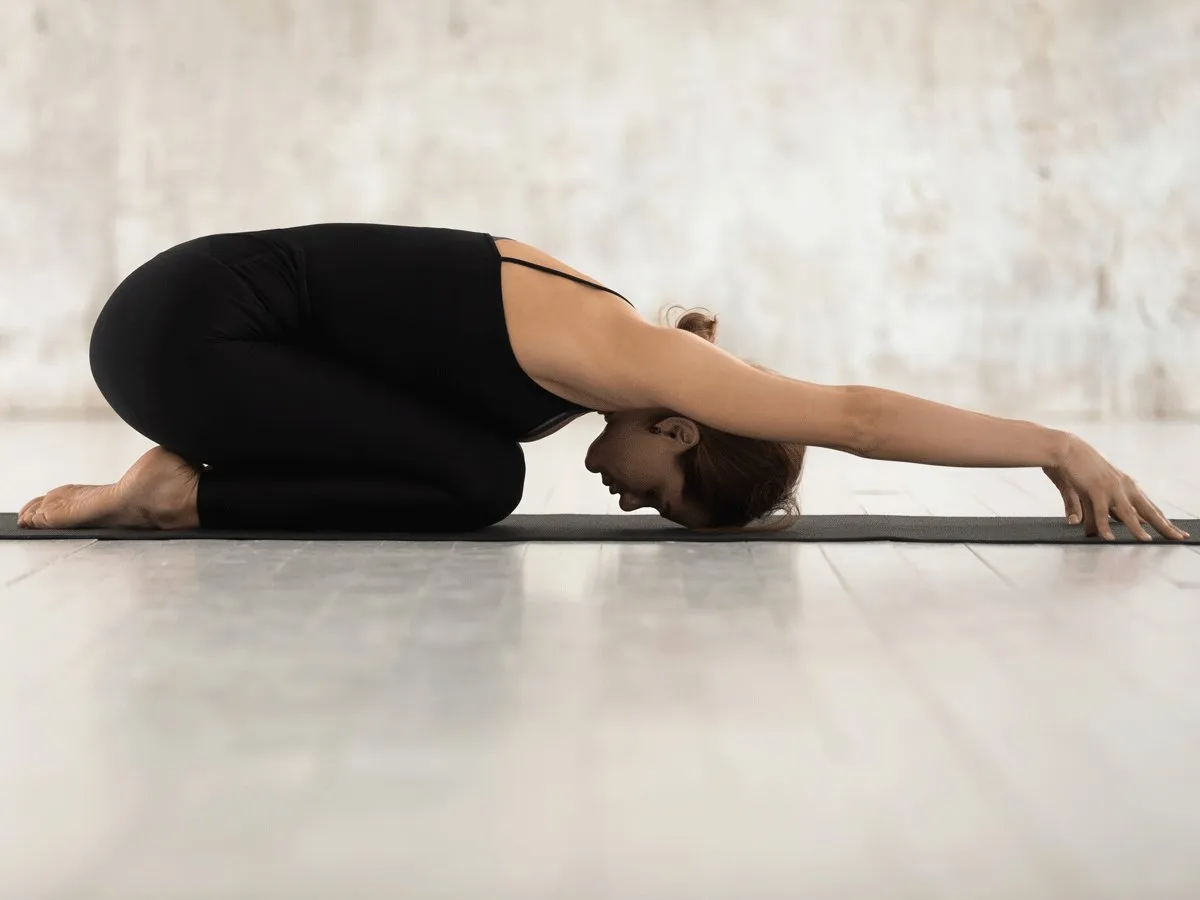
How to do it: “Imagine kneeling on your mat or even just a soft blanket on your floor,” the gynaecologist instructed. “Now, sit back on your heels, gently spread your knees wide, and fold forward, resting your torso between your thighs. Let your forehead touch the ground and extend your arms forward, or rest them beside your body. Breathe deeply.”
How did this help Priya?
This pose gently massages the abdominal area and stretches the lower back, a common site for period aches. It also calms the nervous system, helping Priya find a moment of peace amidst the discomfort.
Yoga Exercise 2: Marjaryasana-Bitilasana (Cat-Cow Pose)
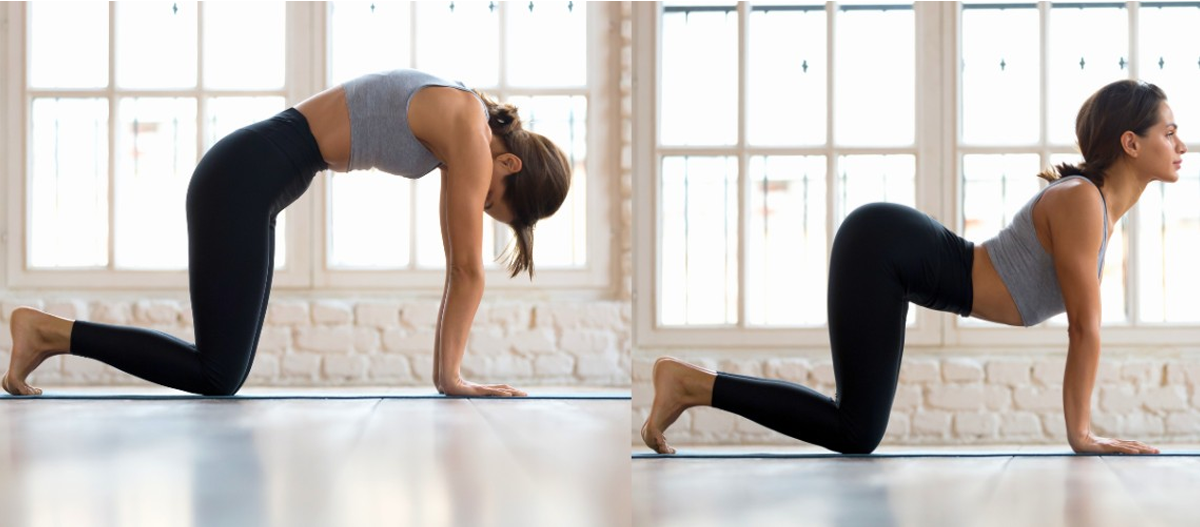
How to do it: “Next, come onto all fours, like a table,” the gynaecologist demonstrated. “As you inhale, gently arch your back, lifting your tailbone and looking up (Cow pose). As you exhale, round your spine, tucking your tailbone and chin towards your chest (Cat pose). Move slowly with your breath.
How did this help Priya?
This fluid movement increases spinal flexibility and gently mobilizes the abdominal organs. It’s perfect for releasing stiffness in the lower back and promoting circulation, making Priya feel less ‘stuck’ in her pain.
Yoga Exercise 3: Supta Matsyendrasana (Supine Spinal Twist)

How to do it: “Lie on your back,” the gynaecologist continued, “bring your knees to your chest, then let both knees fall gently to one side, keeping your shoulders grounded. You can look in the opposite direction. Hold for a few breaths, then switch sides.”
How did this help Priya?
Priya found this stretch incredibly effective for releasing deep tension in her lower back and hips, areas that often feel tight and painful during her period. It felt like wringing out the discomfort.
Yoga Exercise 4: Supta Baddha Konasana (Reclined Bound Angle Pose)

How to do it: “Again, lie on your back. Bring the soles of your feet together and let your knees gently fall open to the sides. If you feel any strain, you can place cushions or rolled blankets under your knees for support. Rest your hands on your belly or by your sides. Just breathe deeply and allow your body to completely release”, the gynaecologist explained to Priya.
How did this help Priya?
This restorative pose gently opens the hips and groin, encouraging relaxation in the entire pelvic region. It’s incredibly soothing for cramps, lower back pain, and can help to calm the mind.
Yoga Exercise 5: Savasana (Corpse Pose)

How to do it: “Finally, lie flat on your back, Priya. Let your legs extend slightly wider than your hips, and your arms rest by your sides with palms facing up. Close your eyes and allow your entire body to completely relax, breathing naturally and deeply. Just be.”
How did this help Priya?
While simple, Savasana is crucial. After the gentle movements, this pose allows Priya’s body to fully integrate the benefits of relaxation, reduce overall stress, and significantly lower her perception of pain.

Gynaecologist’s Advise: Listen, Breathe, Relax
“These aren’t about strength, Priya,” the gynaecologist emphasised. “These Yoga poses are about creating space, easing tension, and connecting with your body through gentle movement and breath. Try these for 10-15 minutes, especially on days when you feel your cramps coming on.”
“Remember, Priya,” the gynaecologist concluded, “the most important thing is to listen to your body. On days when your pain is severe, don’t push yourself. Gentle stretching or a short, soothing session might be all you can manage, and that’s perfectly fine. The goal is comfort and relaxation, not pushing limits. And always focus on deep, slow breathing throughout each pose; it’s a powerful tool for pain relief and relaxation.”
Hit Up Our Period Pain Calculator
For real, how bad is your pain? Our interactive tool uses a 1-10 pain scale and a few quick questions to help you get the full picture. In just a few clicks, you’ll know if your pain is a chill or a major red flag.

The Moral of the Story
Priya’s journey reveals a profound truth: your body holds the wisdom for its own comfort and demonstrates the subtle yet powerful efficacy of yoga. These asanas aren’t just movements; they’re intelligent pathways built around your body’s natural mechanisms. They gently unwind tension, improve circulation, and activate your body’s innate ability to self-soothe by releasing natural painkillers and calming the nervous system. By mindfully reconnecting with yourself through yoga, you gain not just relief from period pain, but a deeper sense of peace and control, proving that often, the most gentle approach yields the most profound healing.
Reviewed By
About The Author
Gunjan Kamra
Gunjan Kamra (GUNJ) is a celebrity yoga trainer and founder of Equilibrium – Mind & Yoga. After leaving an 8-year corporate career, she followed her passion for holistic wellness. Certified from S-VYASA Yoga University, she has 5+ years of experience in yoga, stress management, and therapeutic healing. She has trained 100+ celebrities and worked with 10,000+ clients across 100+ corporates globally. Gunjan believes yoga is a mindful journey of breath, balance, and awareness.
Your Journey to #StopThePeriodPain Starts Here
Every month, millions of Indian girls & women suffer in silence, told that their severe period pain (dysmenorrhea) is “normal.” Our mission is to break that silence. #StopThePeriodPain campaign is here to empower you with 3 simple truths:
More Stories To Read
Transform your understanding of period pain through engaging and informative stories based on real medical insights.
The Answers You've Been Looking For
Get clear, concise answers to your most pressing questions about period pain.
- Can Menstrual Pain Cause Depression?
- What is the cause of period pain?
- What are the symptoms of period pain?
- Why is my period so clotty and painful?
- What do large blood clots during period mean?
- When to see a doctor for painful periods?
- What will a gynaecologist do for painful periods?
- Can dysmenorrhea cause depression?
- What is the best treatment for period pain?
- How do you relieve period pain in teens?
Disclaimer:
This content is for informational purposes only and is not a substitute for professional medical advice. The information provided here is based on general trends and may not apply to every individual, as every woman’s body and experience with period pain is unique.
Do not self-diagnose or self-treat. If you are experiencing painful periods, especially if the pain is moderate to severe or accompanied by other concerning symptoms, you must consult with a gynaecologist. Ignoring severe period pain can lead to a significant delay in diagnosing underlying conditions that require proper medical attention. Always prioritise a confident conversation with your gynaecologist over self-treatment.