For many, the days leading up to a period are marked by manageable mood swings and physical discomfort. But for Sana, a talented interior designer in Lucknow, it was a different story altogether. Every month, about ten days before her period, an unseen storm would gather, leaving her feeling completely unlike herself.
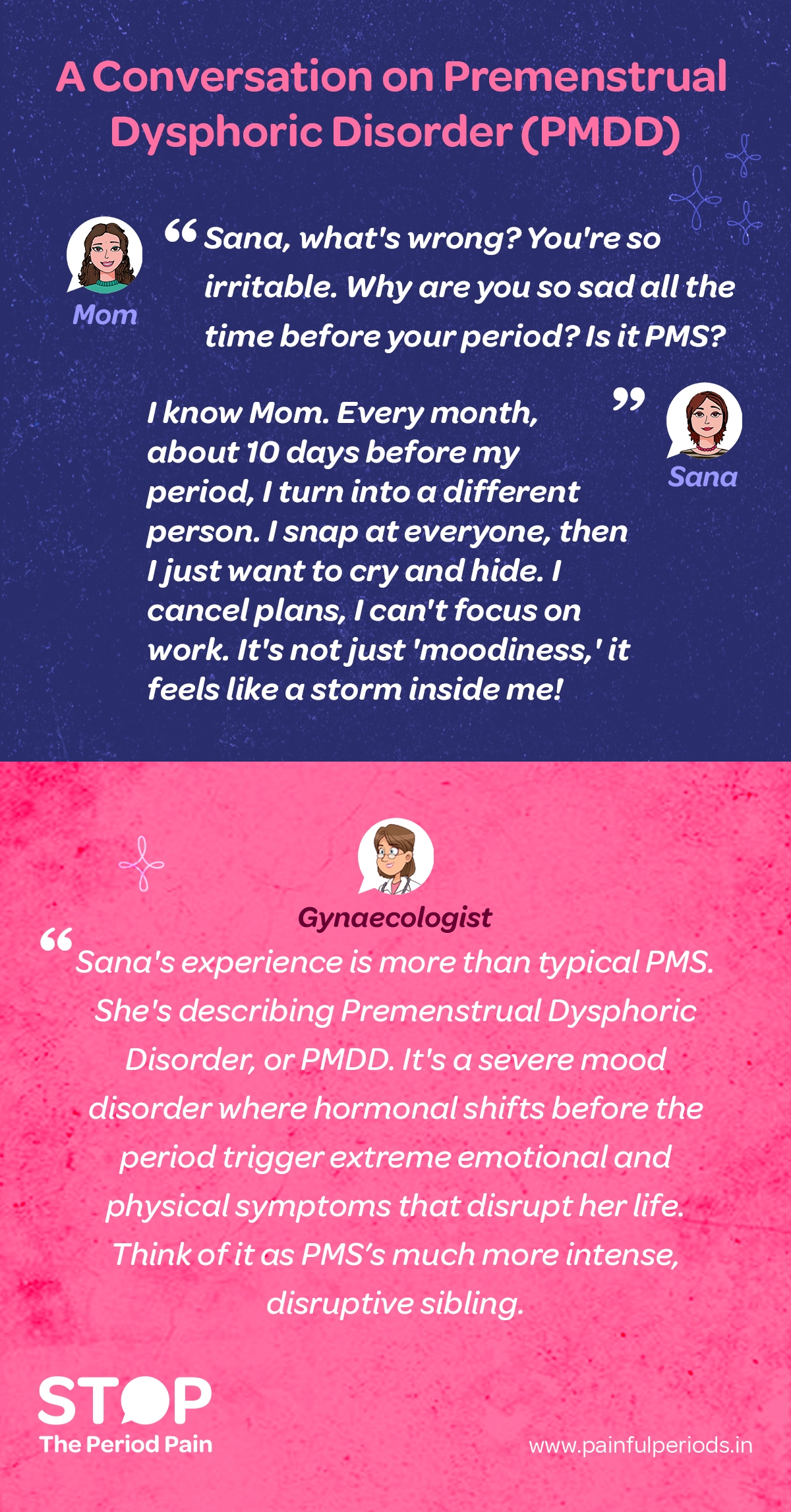
One day, she snapped at her mother over a minor decision about dinner. “Sana, what is wrong with you?” her mother asked, hurt. “You are so irritable all the time.” Her brother would joke, “Here we go again, the monthly drama queen has arrived.” Sana knew they didn’t mean to be cruel, but their words felt like daggers. She herself couldn’t understand the intense anger and sadness that consumed her, making her retreat from friends and family. This wasn’t just “PMS moodiness”; it was a crushing weight of sadness and hopelessness that felt entirely out of her control.
Her relationships suffered. She stopped answering calls from friends, cancelled plans, and often felt so anxious she couldn’t focus on her work. Her family’s well-meaning but dismissive comments only made her feel more isolated. The person she was for three weeks of the month seemed to vanish, replaced by a stranger she didn’t recognise and couldn’t control. The storm would only pass a day or two after her period began, leaving her exhausted and riddled with guilt.
Finally, in a moment of sheer desperation and confusion, her mother, seeing the real and debilitating effect this was having on Sana, booked an appointment with a gynaecologist. In the calm of Dr. (Mrs.) Trivedi’s office, Sana broke down, confessing her monthly ordeal.
Dr. (Mrs.) Trivedi listened with a kind and knowing expression. “Sana, what you’re experiencing is not just ‘PMS or moodiness.’ It’s a very real and severe condition called Premenstrual Dysphoric Disorder, or PMDD,” she said gently. “It’s a serious mood disorder linked to the menstrual cycle. Think of it as PMS’s much more intense, disruptive sibling.”
The doctor explained that while PMS (Premenstrual Syndrome) can cause mild mood swings, bloating, and irritability, PMDD is characterised by severe, life-disrupting symptoms that can feel overwhelming and even scary. The relief Sana felt upon hearing a name for her struggle was immense. She wasn’t “crazy,” and she wasn’t alone.
In This Story
What Exactly is PMDD?
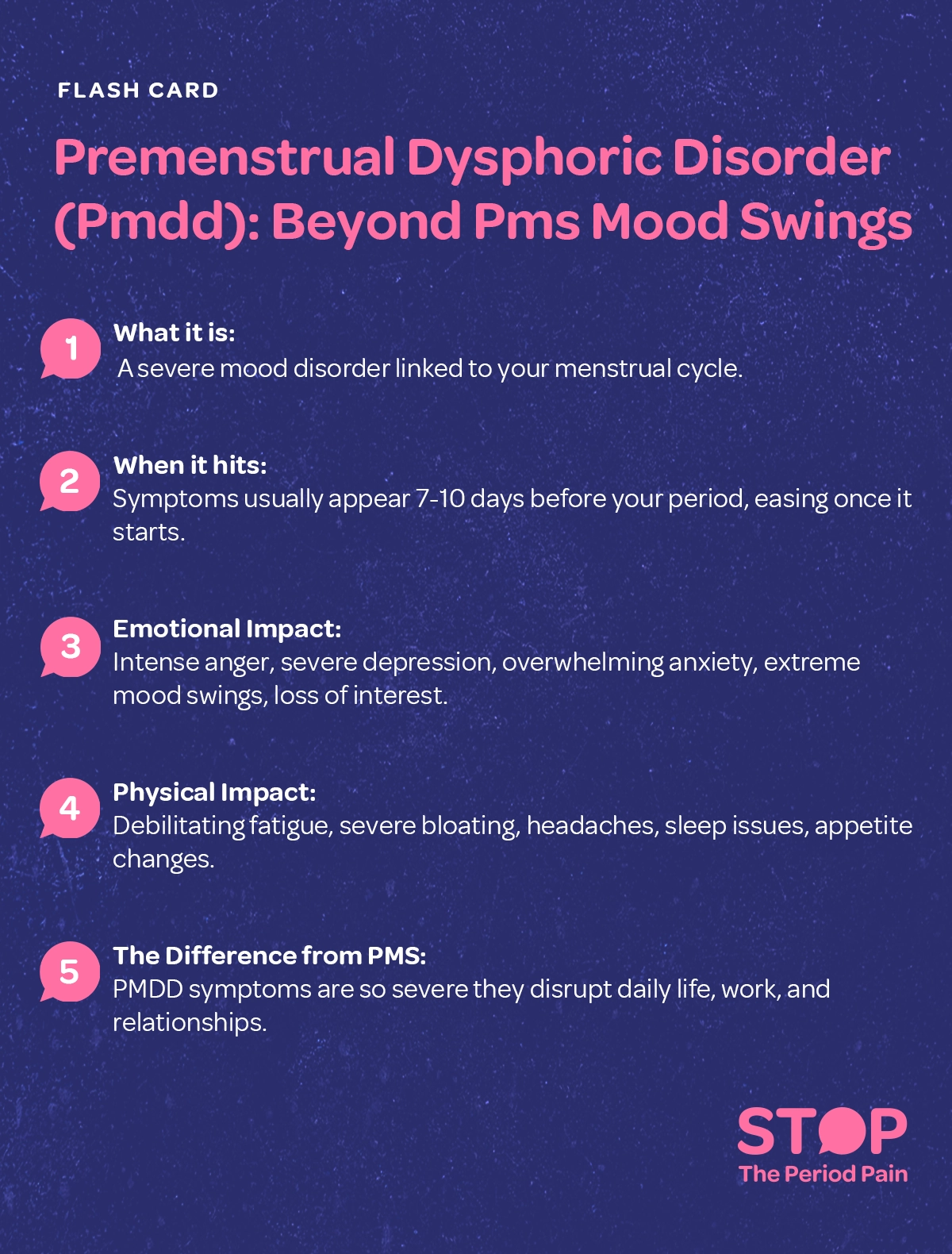
Premenstrual Dysphoric Disorder (PMDD) is a more severe form of PMS. It is a mood disorder where a woman experiences extreme emotional and physical symptoms in the week or two before her period. The symptoms are so intense that they can significantly interfere with her daily life, work, relationships, and overall well-being.
Symptoms of PMDD: More Than Just Mood Swings
PMDD is a combination of emotional and physical symptoms that can be debilitating. They usually begin 7-10 days before menstruation and resolve within a day or two after the period begins.
Emotional Symptoms
- Intense Irritability or Anger: Like Sana, you might find yourself snapping at a loved one over a minor disagreement about dinner, feeling a rage that seems entirely disproportionate to the situation.
- Severe Depression and Sadness: A profound sense of hopelessness can set in. For Sana, this meant feeling so overwhelmingly sad that she would cancel plans with friends she loved, preferring to be alone instead.
- Overwhelming Anxiety: A persistent feeling of being on edge. For example, Sana would feel so anxious that her heart would race and her hands would shake, making her unable to focus on her work.
- Mood Swings: Rapid and dramatic shifts in mood. One moment Sana would be fine, and a few minutes later, she would be overcome by a sudden wave of tears or intense frustration without a clear reason.
- Loss of Interest: A lack of interest in hobbies, work, or social activities you normally enjoy. For Sana, this meant her love for designing would vanish, and she would struggle to find any motivation to even pick up a pen.
Physical Symptoms
- Fatigue: Like Sana, you might feel an overwhelming tiredness that no amount of sleep seems to fix. It’s a deep exhaustion that makes simple tasks feel like a marathon.
- Bloating and Breast Tenderness: These symptoms can be similar to PMS but more severe. For Sana, this meant her clothes felt uncomfortably tight, and her breasts were so tender that even a light touch was painful.
- Headaches: Often accompanied by an overall feeling of being unwell. Sana would sometimes get a dull, throbbing headache that wouldn’t go away, adding to her feeling of being completely drained.
- Sleep Problems: Difficulty falling asleep or staying asleep. Sana would lie in bed with a racing mind, unable to calm down, even though she was physically exhausted from the day.
- Changes in Appetite: Cravings or binge eating. Sana would find herself obsessing over sweets and junk food, eating large amounts even when she wasn’t hungry, only to feel guilty afterward.
The Unseen Causes: What Triggers PMDD?
The exact cause of PMDD is not fully understood, but it is believed to be a heightened sensitivity to the normal hormonal changes that occur during the menstrual cycle. It’s not about having abnormal hormone levels, but rather how the brain and body react to the natural ebb and flow of estrogen and progesterone. Certain brain chemicals, like serotonin, which regulates mood, may be particularly affected by these hormonal shifts.
Hit Up Our Period Pain Calculator
For real, how bad is your pain? Our interactive tool uses a 1-10 pain scale and a few quick questions to help you get the full picture. In just a few clicks, you’ll know if your pain is a chill or a major red flag.

Treatment Options For PMDD
The good news is that PMDD is a treatable condition. Management can involve a combination of approaches:
Lifestyle Changes
Regular exercise, a balanced diet, and stress management techniques like meditation and yoga can help manage symptoms.
Dietary Supplements
A gynaecologist may recommend supplements such as calcium, magnesium, and Vitamin B6.
Medications
- Antidepressants: In severe cases, doctors might resort to prescribing antidepressants.
- Hormonal Therapy: Birth control pills or other hormonal therapies can help regulate hormone fluctuations and reduce the severity of symptoms.
The Moral of the Story: Your Feelings are Valid
Sana’s story teaches us a crucial lesson: never dismiss your feelings as “just a mood.” If your emotional and physical symptoms before your period are so severe that they disrupt your life, it’s a sign that your body needs help. PMDD is a real and valid medical condition. Don’t suffer in silence. The first step to reclaiming your life from the unseen storm is to acknowledge your pain, trust your instincts, and speak to a gynaecologist.
Your Journey to #StopThePeriodPain Starts Here
Every month, millions of Indian girls & women suffer in silence, told that their severe period pain (dysmenorrhea) is “normal.” Our mission is to break that silence. #StopThePeriodPain campaign is here to empower you with 3 simple truths:
More Stories To Read
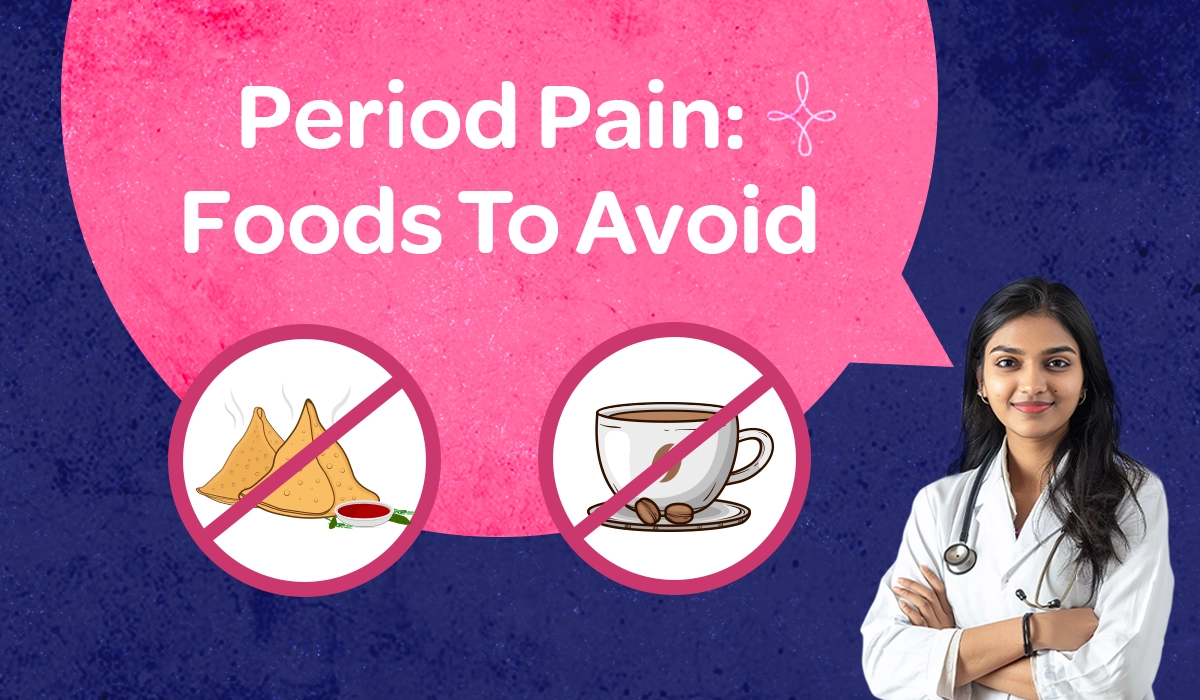
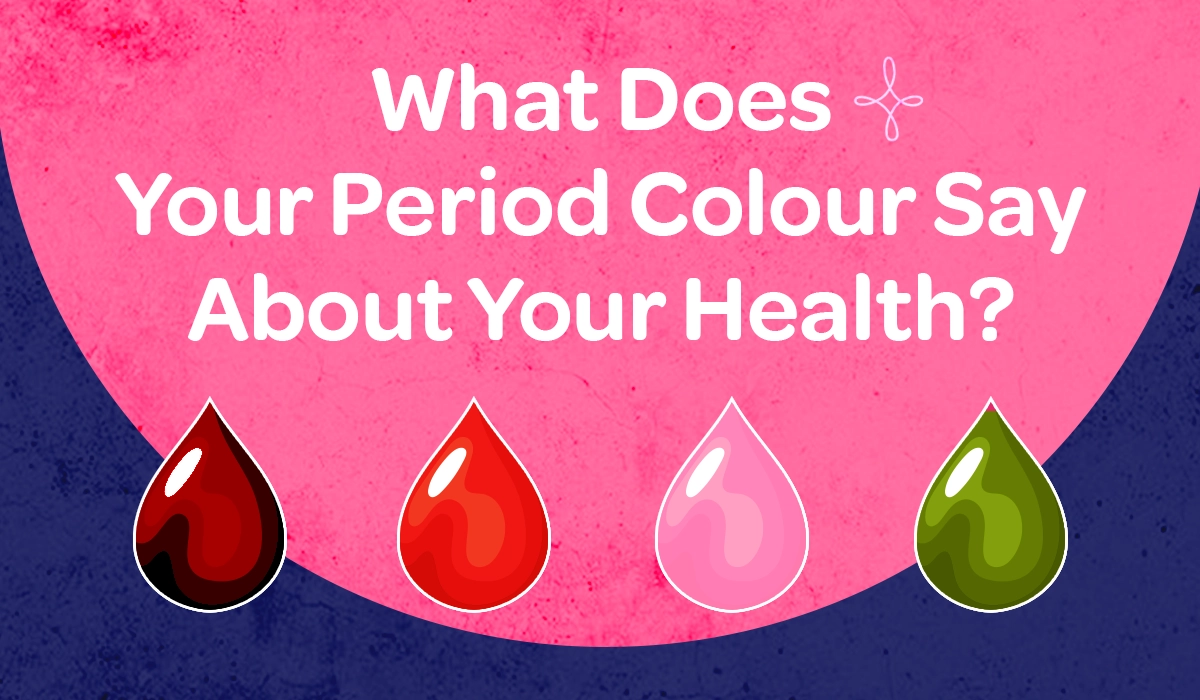
Transform your understanding of period pain through engaging and informative stories based on real medical insights.
The Answers You've Been Looking For
Get clear, concise answers to your most pressing questions about period pain.
- Can Menstrual Pain Cause Depression?
- What is the cause of period pain?
- What are the symptoms of period pain?
- When to see a doctor for painful periods?
- What will a gynaecologist do for painful periods?
- Can dysmenorrhea cause depression?
- What is the best treatment for period pain?
- How can I stop period pain immediately?
- Which medicine is best for menstrual pain relief?
- How do you relieve period pain in teens?
Disclaimer:
This content is for informational purposes only and is not a substitute for professional medical advice. The information provided here is based on general trends and may not apply to every individual, as every woman’s body and experience with period pain is unique.
Do not self-diagnose or self-treat. If you are experiencing painful periods, especially if the pain is moderate to severe or accompanied by other concerning symptoms, you must consult with a gynaecologist. Ignoring severe period pain can lead to a significant delay in diagnosing underlying conditions that require proper medical attention. Always prioritise a confident conversation with your gynaecologist over self-treatment.