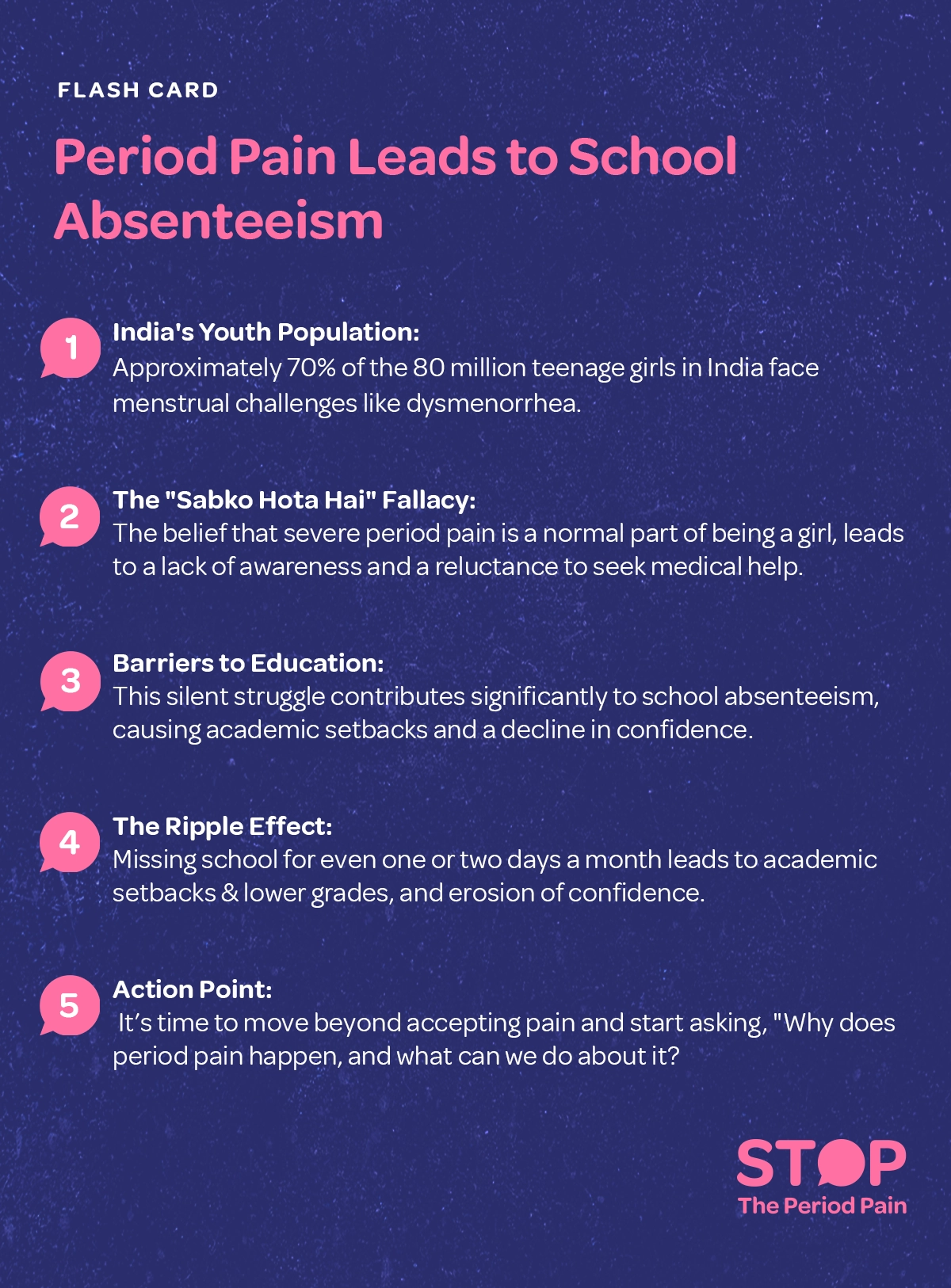
India’s population is estimated to be over 140 crores and based on recent projections, there are approximately 80 million girls in India between the ages of 13 and 19, which is the typical age range for school and college. This means that every day, millions of Indian teenage girls are navigating their education and personal lives. For these millions, menstruation should be just a natural biological process. But for too many, it’s not.
The arrival of their period, for countless teenage girls across India, isn’t just a natural biological event; it’s a monthly battle, often fought in silence, behind closed doors. And for many, this battle ends with a painful surrender: missing school.
This also has been the story of Rina, a bright 15-year-old from Patna. Every month, for at least one or two days, Rina wakes up with a gnawing ache in her lower abdomen. Sometimes it’s a dull throb, other times a sharp, twisting pain that makes her double over. Her mother, like many Indian mothers, offers a warm compress, a cup of kadha, and the familiar refrain, “Beta, period pain sabko hota hai. Thoda rest kar le.”
While the comfort of her mother’s words is real, so is the bitter truth: Rina misses out on her science class, struggles to catch up on assignments, and feels a wave of anxiety wash over her, knowing she’s falling behind.
This isn’t just Rina’s story; it’s the reality for millions of teenage girls in India from bustling cities to serene villages. Period pain isn’t just a minor discomfort; it’s a significant barrier to education and a silent contributor to absenteeism.
In This Story
The Unspoken Reality: Why Indian Girls Miss School Due to Period Pain
The "Period Pain Sabko Hota Hai" Syndrome:
This is perhaps the biggest culprit. The cultural normalisation of period pain in India means that even severe, debilitating and persistent discomfort is often dismissed as a universal female experience. Girls are taught to just “bear it,” not question it. This makes them hesitant to talk about their pain, let alone seek medical help.
Lack of Awareness and Education
Many teenage girls (and even their families) are unaware that period pain isn’t always “normal.” It is a real medical issue and it needs to be treated like one. It is no surprise that they are unaware about conditions like endometriosis, PCOS, or adenomyosis can cause severe pain, but without proper education, these go undiagnosed for years.
Limited Access to Healthcare
For girls in rural or low-income areas, access to a gynaecologist or even basic period painkillers might be a real challenge. The nearest clinic could be miles away, and family resources might prioritise other needs.
Stigma and Shame
Despite progress, menstruation still carries a heavy veil of stigma in many parts of India. Discussing period pain, especially with male teachers or school authorities, can be deeply uncomfortable and embarrassing. This shame often leads girls to simply stay home rather than face awkward conversations.
Inadequate School Facilities
While improving, many schools still lack proper, hygienic toilet facilities, clean water, and private spaces for managing menstruation. This concern adds another layer of anxiety for girls already dealing with pain.
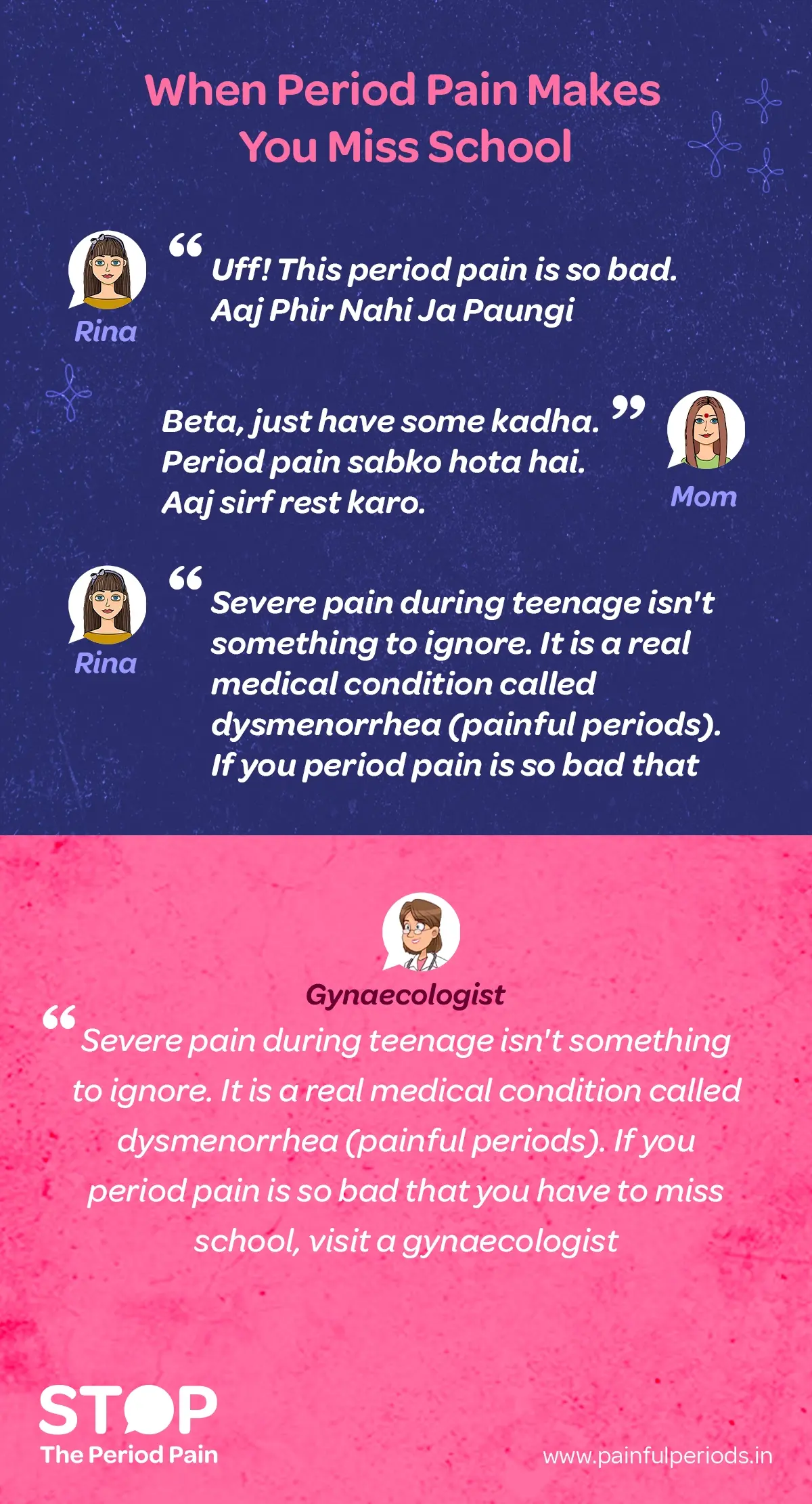
The Ripple Effect: Beyond Missing a Day
Missing school isn’t just about losing a day of classes. The impact ripples through a girl’s life:
- Academic Setbacks: Falling behind in studies, lower grades, and increased stress during exams.
- Reduced Participation: Missing out on extracurricular activities, sports, and social interactions vital for holistic development.
- Erosion of Confidence: Feeling less capable, isolated, and sometimes internalising the idea that their body is a burden.
- Long-Term Health Consequences: Undiagnosed and untreated underlying conditions can worsen over time, impacting future fertility and overall well-being.
Breaking the Silence: What Can Be Done?
The good news is that this narrative can change.
Open Conversations on Period Pain
Parents, especially mothers, need to encourage their daughters to speak openly about their pain. Distinguishing between normal discomfort and debilitating pain is the first step.
Educate and Empower
Schools and NGOs are pivotal in bridging the knowledge gap surrounding menstrual health. It’s essential to empower girls with the understanding that severe period pain is not something they have to endure silently and that effective help is readily available.
At our organisation, we believe in taking a proactive approach. We conduct free period pain workshops designed to provide accurate information and dispel common myths. These workshops have already reached over 1,000 schools across India, creating a ripple effect of empowerment and health literacy.
You can help us continue this vital work. To request a free period pain workshop for your school or community, please fill out the form provided below.
Hit Up Our Period Pain Calculator
For real, how bad is your pain? Our interactive tool uses a 1-10 pain scale and a few quick questions to help you get the full picture. In just a few clicks, you’ll know if your pain is a chill or a major red flag.

Access to Healthcare: Leveraging India's Rural Public Health System
The existing network of Sub Health Centres (SHCs), Primary Health Centres (PHCs), and Community Health Centres (CHCs) can be instrumental in providing accessible and de-stigmatised gynecological care.
Through Sub Health Centres (SHCs)
These are the most peripheral and first point of contact for rural communities. SHCs can serve as critical hubs for basic menstrual health education and counseling. Health workers at SHCs can be trained to identify symptoms of severe period pain (dysmenorrhea), distribute accurate informational pamphlets, and provide a safe space for girls to discuss their health concerns openly.
Primary Health Centres (PHCs)
As a step up from SHCs, PHCs can offer more detailed consultations. They can provide a private space for adolescent girls to meet with a doctor or a trained nurse. PHCs can stock basic medications for pain management (such as non-steroidal anti-inflammatory drugs) and be equipped to conduct preliminary examinations. They can also act as a crucial link, referring girls with persistent or severe symptoms to more specialized care at the next level.
Community Health Centres (CHCs)
These centres serve as the first referral unit for PHCs and are equipped with specialist doctors, including gynaecologists. CHCs are essential for managing complex cases of dysmenorrhea and other related conditions. They can provide advanced diagnostics and treatment options, ensuring that no girl’s pain is dismissed or left untreated.
Supportive School Environments
Schools can provide basic painkillers, accessible and clean washrooms, and flexible attendance policies to support girls during their periods without shaming them.
Role of Male Family Members
Fathers, brothers, and male teachers can be educated to be supportive and understanding, normalising menstruation rather than treating it as a taboo.
The Moral of the Story
Rina’s story doesn’t have to end with missed classes and anxiety. With awareness, open dialogue, and accessible support, every girl in India can navigate her periods without it becoming a barrier to her education and dreams. It’s time to move beyond “Period pain sabko hota hai” and start asking, “Why does period pain happen, and what can we do about it?”
Your Journey to #StopThePeriodPain Starts Here
Every month, millions of Indian girls & women suffer in silence, told that their severe period pain (dysmenorrhea) is “normal.” Our mission is to break that silence. #StopThePeriodPain campaign is here to empower you with 3 simple truths:
More Stories To Read
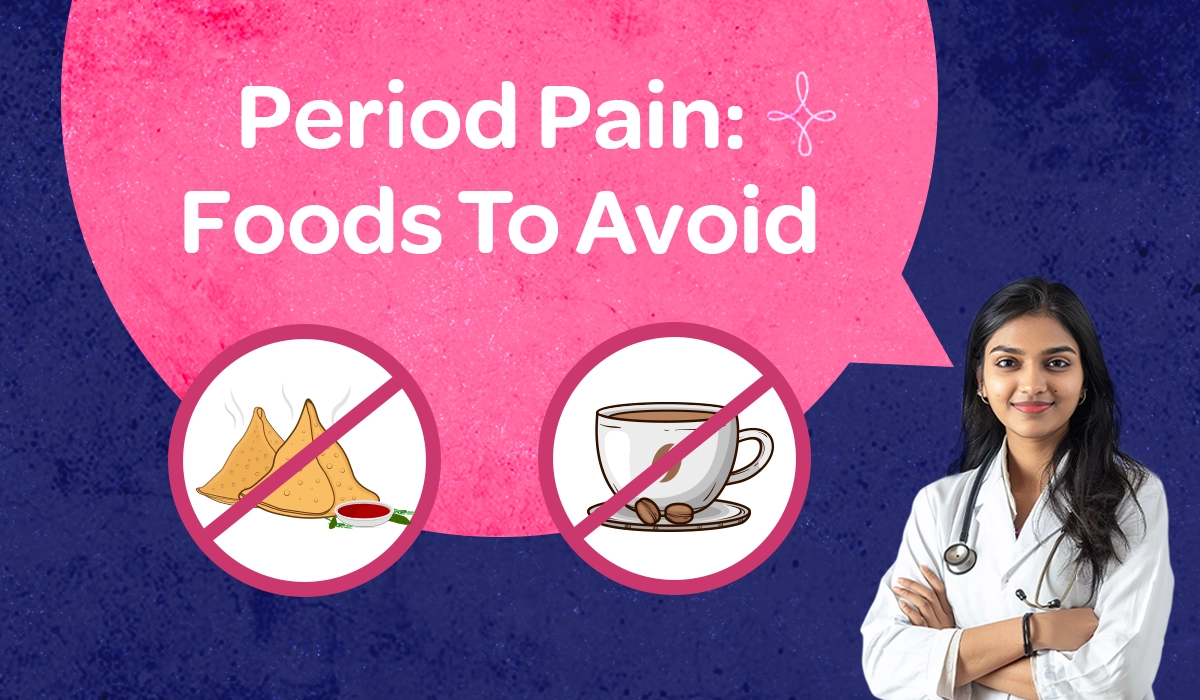
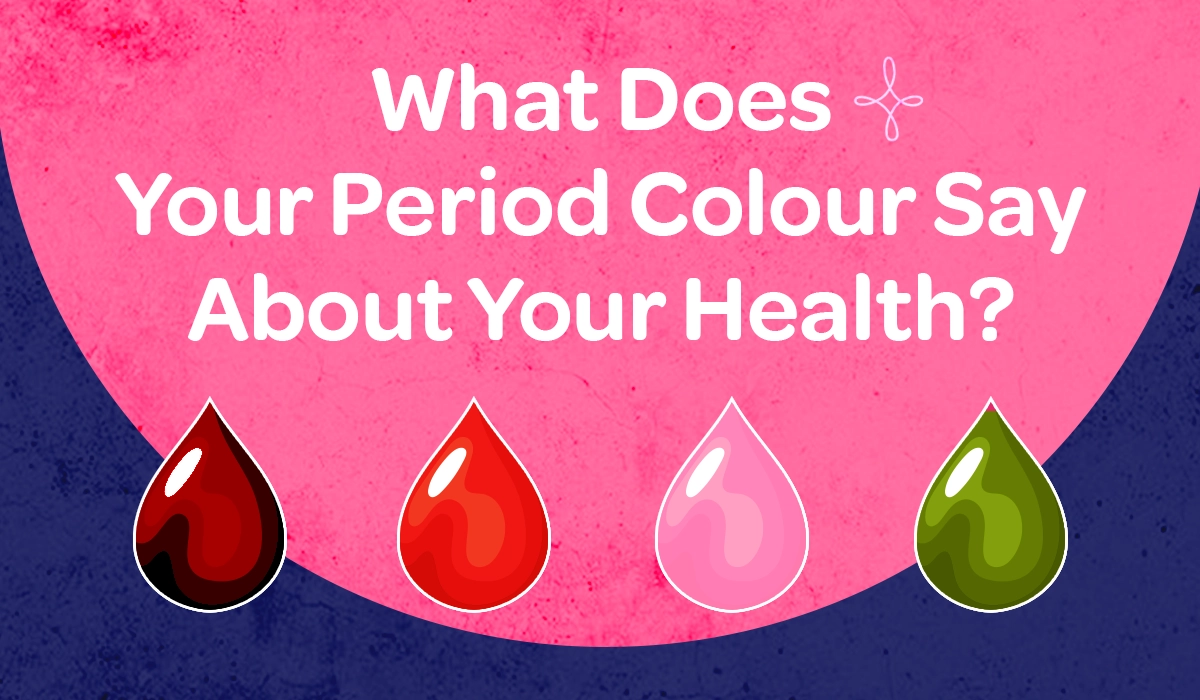
Transform your understanding of period pain through engaging and informative stories based on real medical insights.
The Answers You've Been Looking For
Get clear, concise answers to your most pressing questions about period pain.
- Can Menstrual Pain Cause Depression?
- What is the cause of period pain?
- When to see a doctor for painful periods?
- What will a gynaecologist do for painful periods?
- What are the symptoms of period pain?
- Why is my period so clotty and painful?
- What do large blood clots during period mean?
- Can dysmenorrhea cause depression?
- What is the best treatment for period pain?
- How do you relieve period pain in teens?
Disclaimer:
This content is for informational purposes only and is not a substitute for professional medical advice. The information provided here is based on general trends and may not apply to every individual, as every woman’s body and experience with period pain is unique.
Do not self-diagnose or self-treat. If you are experiencing painful periods, especially if the pain is moderate to severe or accompanied by other concerning symptoms, you must consult with a gynaecologist. Ignoring severe period pain can lead to a significant delay in diagnosing underlying conditions that require proper medical attention. Always prioritise a confident conversation with your gynaecologist over self-treatment.