Navigating Uterine Fibroids: Symptoms, Causes, & Treatment
Table Of Content
- Bani's Story and the Reality of Uterine Fibroids
- What are Uterine Fibroids?
- Uterine Fibroid Symptoms: Recognising the Red Flags
- Uterine Fibroids Causes: What We Know
- Diagnosing Uterine Fibroids: Seeking Answers
- Uterine Fibroid Treatment: Finding Your Path to Relief
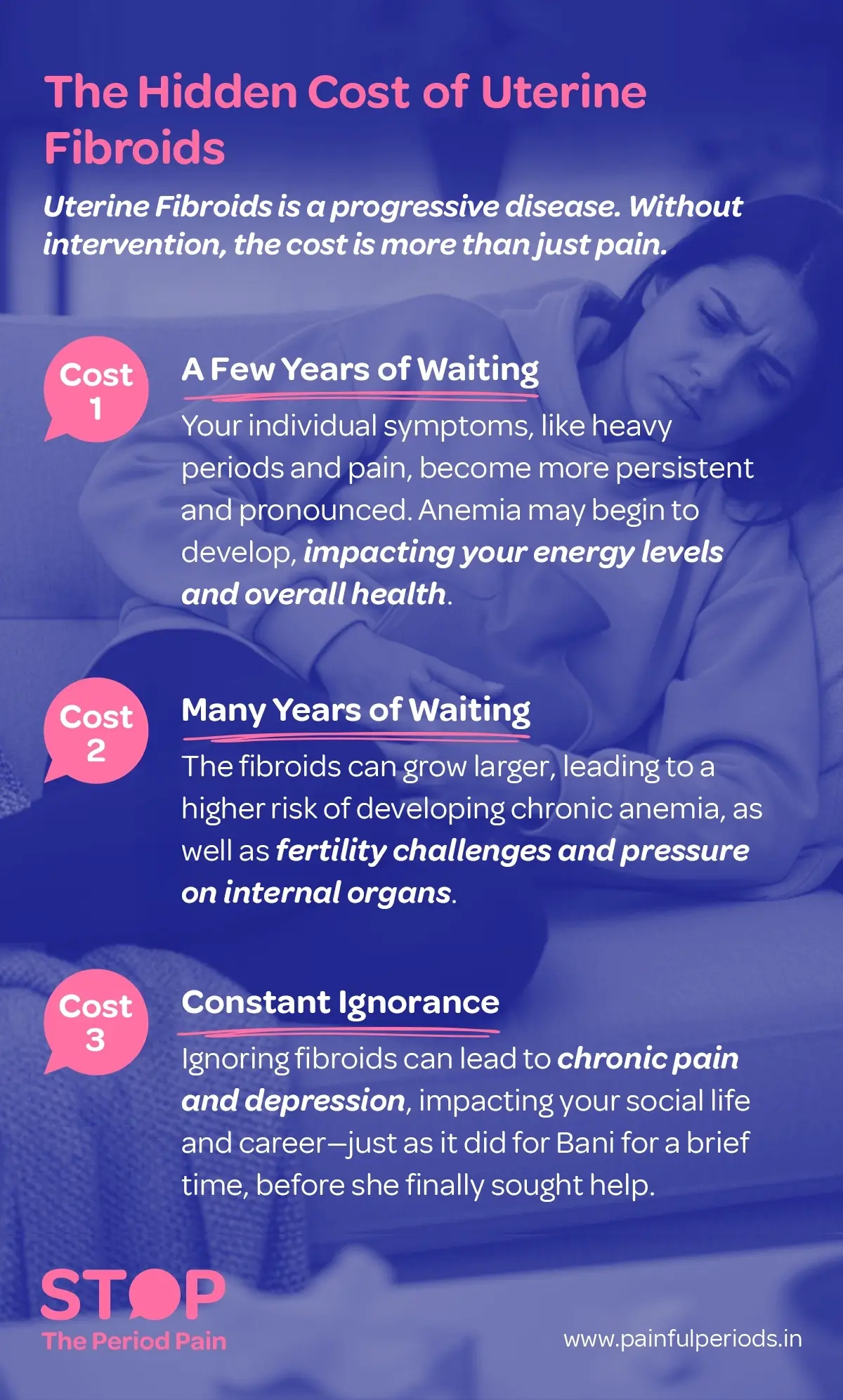
- Uterine Fibroids Without Intervention: The Cost of Waiting
- Pressure on Organs
- Impact on Quality of Life
- Related Gynaecological Conditions
- Hope and Support: Tackling Adenomyosis In India
- Your Journey to Knowledge, One Story at a Time
- The Answers You've Been Looking For
- References:
Bani's Story and the Reality of Uterine Fibroids
Remember Bani from our page on Period pain overview, symptoms, causes? Bani was a budding lawyer, just starting to climb the corporate ladder. Her life was a whirlwind of late nights at the office, early morning runs, and meticulously planned weekends. But for the past year, something was off. Her periods, once a manageable inconvenience, had become a nightmare. The bleeding was so heavy that she was constantly worried about leaking through her clothes, even with super-plus pads. The cramps were a searing, constant pain, unlike anything she had ever experienced. They would hit during work meetings, forcing her to excuse herself and sit hunched over in a washroom, waiting for the pain to subside.
At first, she dismissed it. “It’s just bad cramps,” her mother would say, offering home remedies like hot water bottles and ginger tea. Her friends, caught up in the same fast-paced life, also had period pain complaints. But Bani’s pain was different. It wasn’t just confined to a day or two; it was a lingering, exhausting ache in her lower back and pelvis that made it hard to focus, even when she wasn’t on her period. The frequent bathroom trips, a result of the pressure she felt on her bladder, were another source of embarrassment and anxiety, especially during long commutes.
She started to feel fatigued all the time. The morning runs she loved became a chore, and she would often fall asleep on the couch as soon as she got home. A visit to her family doctor for a routine check-up led to a blood test, which revealed she was anemic. The doctor told her it was likely due to the heavy bleeding, but it didn’t explain the constant pain and pressure. Bani, like many women, felt her concerns were being brushed aside. She was told to take iron supplements and “just manage” her pain.
After months of this, and a particularly excruciating period that left her bedridden for three days, Bani decided to take matters into her own hands. She found a gynaecologist who specialised in women’s health issues and was willing to listen. She described her symptoms: the heavy bleeding, the debilitating pain, the constant need to urinate, and the persistent backache. After a thorough pelvic exam and an ultrasound, the gynaecologist finally connected all the dots. The diagnosis was uterine fibroids.
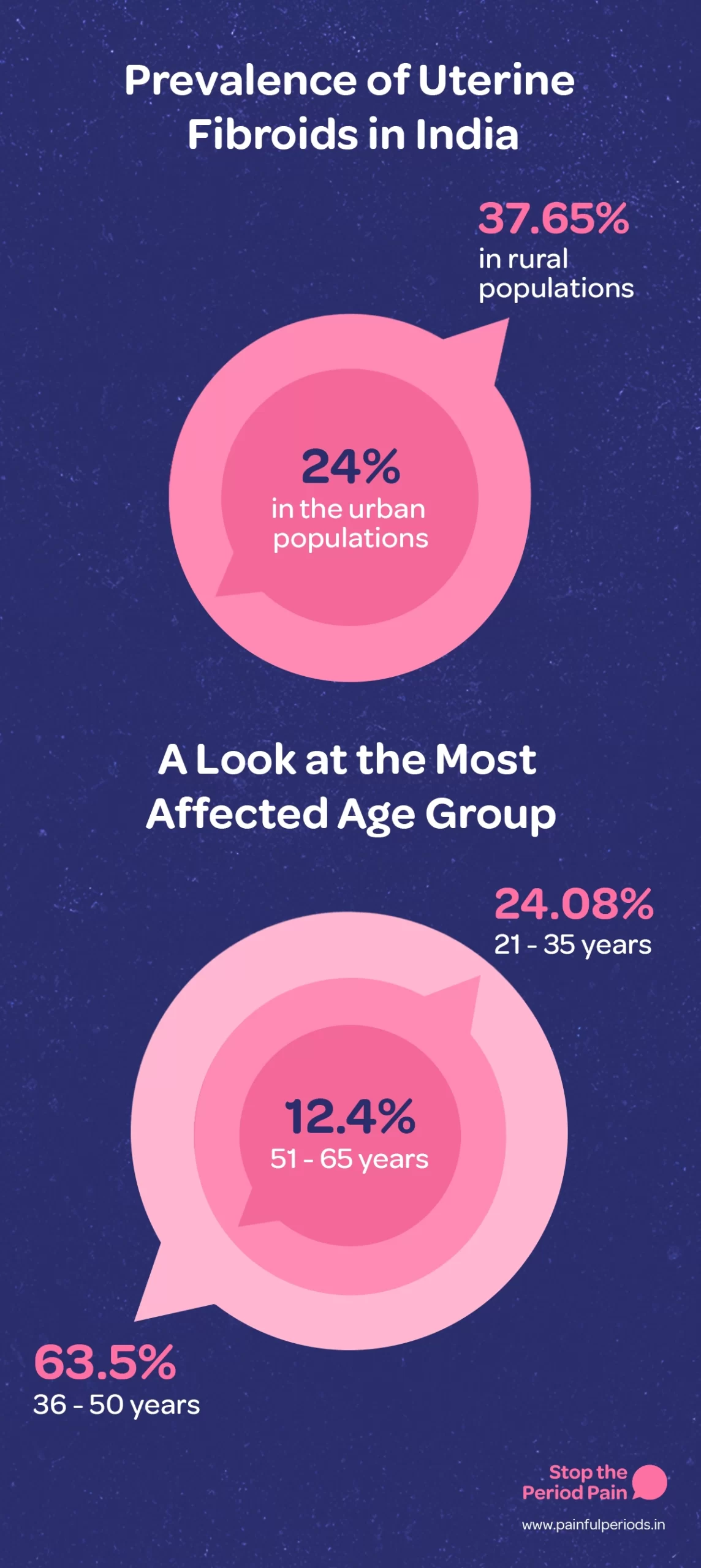
For many women, this is the story. The subtle, seemingly unrelated symptoms are dismissed as normal, a part of being a woman, which leads to a delay in diagnosis that can take many months and years. While precise data for India is scarce, studies suggest that uterine fibroids are a common gynaecological condition, with a prevalence that could be as high as 20-30% in women of reproductive age.
This page is dedicated to navigating uterine fibroids: what they are, their symptoms, potential causes, and the available treatments that can offer significant relief, just like Bani eventually found.
What are Uterine Fibroids?
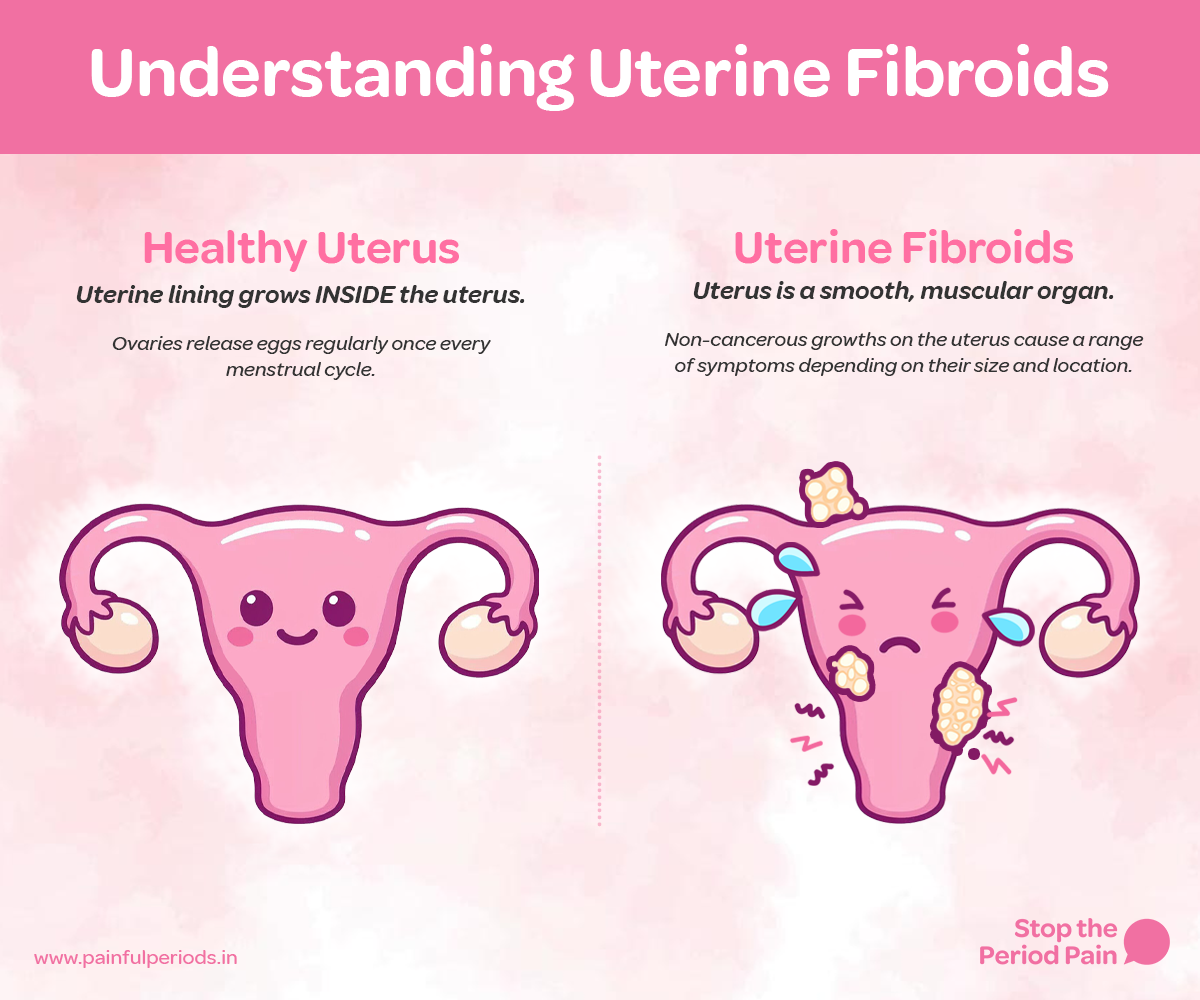
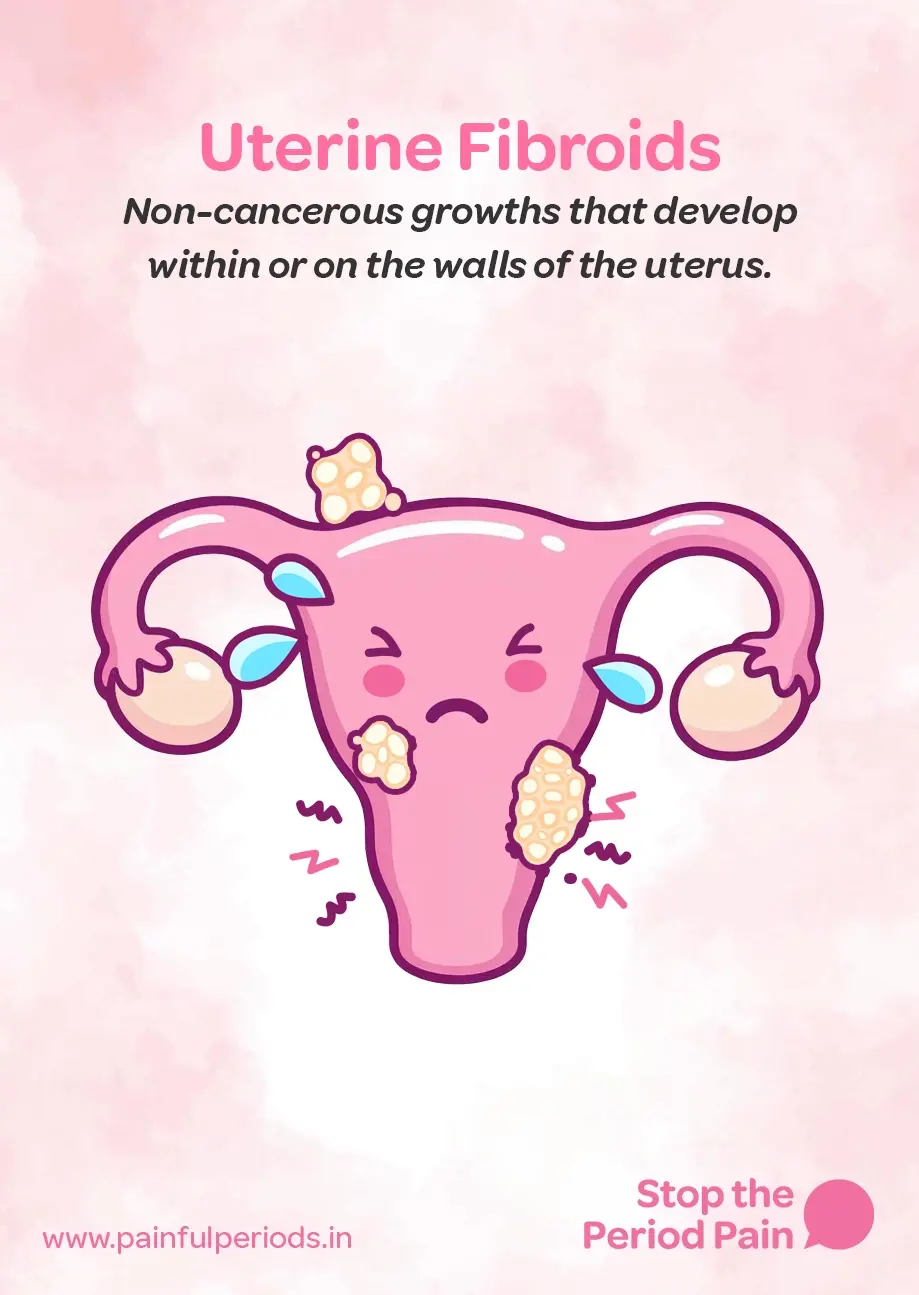
Uterine fibroids (medically known as leiomyomas or myomas) are non-cancerous growths that develop from the muscle tissue of the uterus. They can range in size from tiny, almost undetectable seedlings to large, bulky masses that can change the shape and size of the uterus. They can cause a wide range of debilitating symptoms. Their size and location determine the symptoms they cause. Some women may have fibroids and never experience symptoms, while for others, they can significantly impact their quality of life.
Fibroids are classified by their location:
- Submucosal fibroids: Grow into the uterine cavity.
- Intramural fibroids: Grow within the muscular wall of the uterus.
- Subserosal fibroids: Project to the outside of the uterus.
Uterine Fibroid Symptoms: Recognising the Red Flags
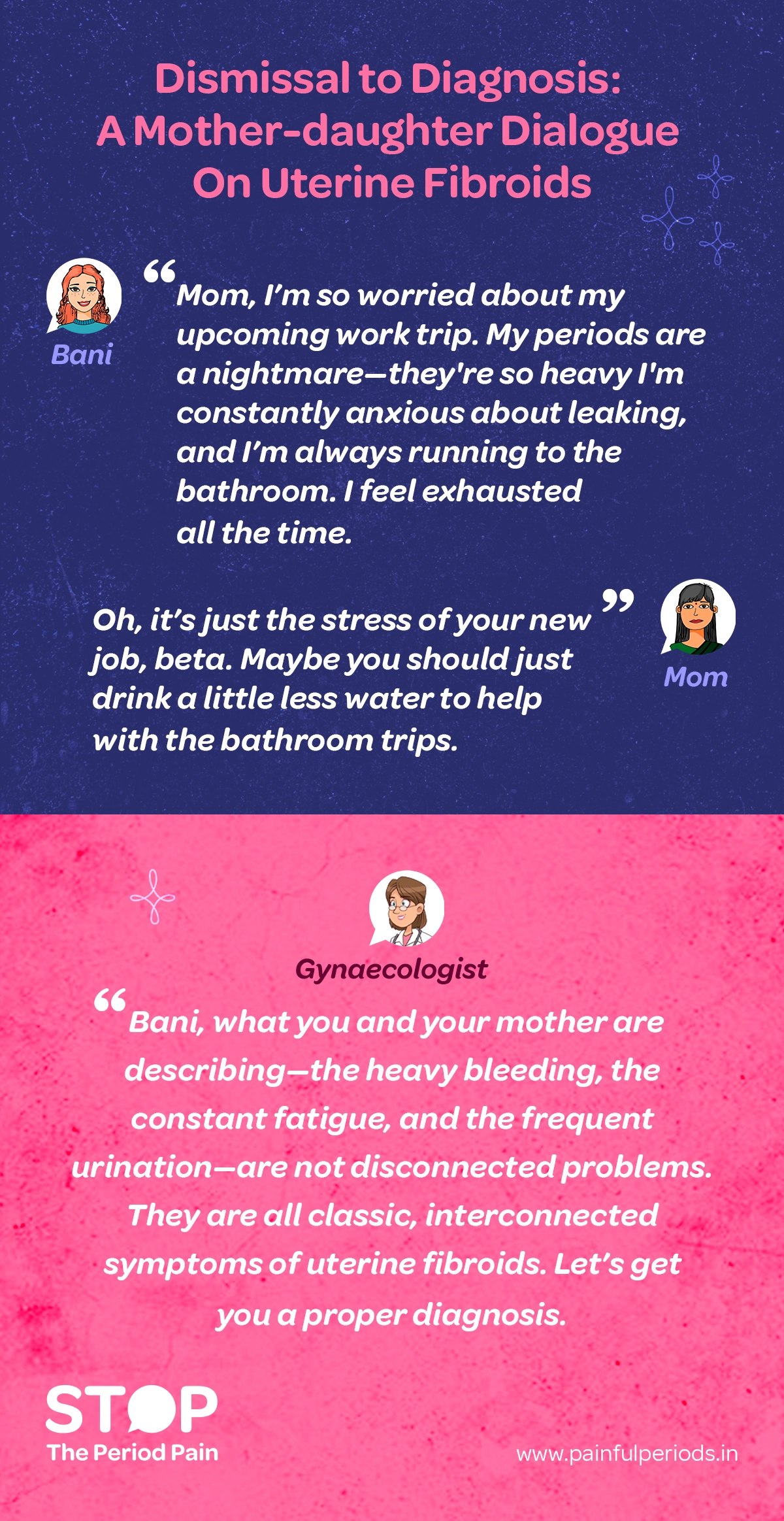
In India, period pain is often dismissed as a normal part of life or an inevitable aspect of being a woman. While this dismissal is common, it often leads to a dangerous disconnect. Seemingly unrelated symptoms, such as the fatigue from anemia or chronic backaches, are rarely attributed to the same underlying cause. This failure to connect the dots can significantly delay a proper diagnosis. Paying close attention to these red flags is crucial for taking control of your health.
Common Uterine Fibroids Symptoms
Painful Periods (Dysmenorrhea)
More than just a cramp, this is a deep, searing pain in the lower abdomen and back. It can be so severe that it interferes with your daily activities, leaving you bedridden or unable to concentrate.
Heavy or Prolonged Menstrual Bleeding (Menorrhagia)
Your periods may last longer than seven days or be so heavy that you need to change your pad or tampon more frequently than once every hour. This can lead to fatigue and anemia.
Pelvic Pressure or Pain
You may feel a persistent sense of fullness or heaviness in your pelvic area, almost as if you’re carrying a heavy stone.
Frequent Urination or Difficulty Emptying Your Bladder
Large fibroids can press on the bladder, making you feel like you constantly need to use the washroom, even right after you have just gone.
Backache or Leg Pains
Fibroids can press on nerves in your back, leading to a chronic, dull ache that can be mistaken for a normal back pain.
Pain During Intercourse
This can be a sign that fibroids are putting pressure on the cervix.
Constipation or Bloating
Large fibroids can put pressure on the rectum, leading to a feeling of bloating or difficulty with bowel movements.
Uterine Fibroids Causes: What We Know
While the exact cause of uterine fibroids isn’t fully known, research points to a combination of hormonal, genetic, and other factors. Here’s a breakdown of what scientists believe contributes to their growth:
Hormonal Factors
The female hormones estrogen and progesterone play a key role. These are the same hormones that regulate the menstrual cycle and prepare the uterus for pregnancy. They appear to act as fuel for fibroids, stimulating their growth. This is why fibroids often shrink after menopause, when hormone levels drop.
Genetic Predisposition
Fibroids often run in families, suggesting a strong genetic link. If your mother or a close relative has had fibroids, your risk of developing them is higher. This genetic connection is an area of ongoing research.
Other Growth Factors
In addition to hormones, other substances in the body, such as insulin-like growth factors, may also promote the development of fibroids. These growth factors help the body’s tissues maintain and repair themselves, and in some cases, may contribute to abnormal growths like fibroids.
Diagnosing Uterine Fibroids: Seeking Answers
When you suspect you have uterine fibroids, the most crucial step is to consult a gynaecologist. They will take a detailed medical history and guide you through the diagnostic process. Unlike relying on guesswork or dismissing symptoms, a proper diagnosis provides clarity and a path to effective treatment. Here are the common methods used to get a clear picture:
Pelvic Exam
Your gynaecologist will perform a physical exam to check for any abnormalities in the shape and size of your uterus. This hands-on check-up is often the first step in identifying potential fibroids.
Ultrasound
This is the most common and effective diagnostic tool. A transabdominal or transvaginal ultrasound uses sound waves to create a detailed image of your uterus and ovaries. It can accurately reveal the presence, size, and precise location of fibroids, which is essential for determining the best treatment plan.
MRI (Magnetic Resonance Imaging)
For more complex cases, an MRI scan may be used. This advanced imaging technique provides a detailed, cross-sectional map of the fibroids, which is especially useful for doctors when planning a surgical procedure.
Hysteroscopy
A hysteroscopy is a procedure where a thin, lighted telescope is inserted through the cervix into the uterus. This allows the doctor to directly visualise any fibroids growing inside the uterine cavity, providing a clear view of their size and location.
By combining these different diagnostic methods, your gynaecologist can make an accurate diagnosis and create a personalised treatment plan for you.
Having Painful Periods? Suspecting Something’s Off?

Uterine Fibroid Treatment: Finding Your Path to Relief
While there is no definitive cure for uterine fibroids, a range of effective treatment options is available to help manage your symptoms and improve your quality of life. The most suitable approach depends on your individual circumstances, including the size and location of your fibroids, your age, and whether you plan to have children in the future.
Your gynaecologist will work with you to create a personalized treatment plan, which may include one or more of the following options:
Medical Management
Medication
This is often the first line of defense. Hormonal birth control, such as pills or IUDs, can help regulate your menstrual cycles and reduce heavy bleeding. Your doctor might also prescribe medications that can temporarily shrink the fibroids.
Surgical Procedures
For more severe cases, surgical options can provide long-term relief.
Myomectomy
This is a surgical procedure to remove the fibroids while leaving the uterus intact. It is often the preferred option for women who wish to preserve their fertility and have children in the future.
Hysterectomy
This involves the surgical removal of the entire uterus. It is a definitive solution for fibroids but means a woman can no longer have children. This option is generally considered when other treatments are not effective or when the fibroids are very large or numerous.
Non-Surgical and Minimally Invasive Options
These procedures offer alternatives to traditional surgery.
Uterine Artery Embolization (UAE)
This is a minimally invasive procedure where a doctor blocks the blood supply to the fibroids. This causes them to shrink and die off. It is a highly effective, non-surgical option.
Lifestyle Interventions
While not a cure, lifestyle changes can significantly help in managing symptoms.
Diet and Exercise
Maintaining a healthy diet rich in fruits and vegetables and engaging in regular exercise can help manage symptoms and improve your overall well-being.
Uterine Fibroids Without Intervention: The Cost of Waiting
Uterine fibroids are a chronic condition that can progress over time. In India, where many women do not have access to specialised healthcare or are told to “manage” their pain, this can result in years of lost time, during which the disease can silently progress and become more difficult to manage.
Here’s a look at what can happen with no intervention:
Chronic Anemia and Fatigue
Heavy bleeding from fibroids can lead to severe iron-deficiency anemia, a condition common in India, especially among women. This leads to constant fatigue, making it difficult to perform daily tasks, work, or even focus. This isn’t just feeling tired; it’s a deep, persistent exhaustion that can go unaddressed for years.
Compromised Fertility
For many Indian women, the dream of motherhood is central to their lives. However, fibroids—especially those growing inside the uterus—can interfere with implantation and lead to infertility or miscarriage, causing immense emotional and social distress within families and communities.
Pressure on Organs
As fibroids grow, they can put pressure on nearby organs. This can lead to frequent urination from pressure on the bladder or constipation from pressure on the rectum. This constant need for a bathroom break, especially when you’re traveling, at the office, or visiting someone’s home, can become a source of significant anxiety and stress.
Impact on Quality of Life
The constant pain, heavy bleeding, and fatigue can take a significant toll on a woman’s confidence and self-esteem. For Bani, her battle with pain and bleeding led to feelings of deep anxiety and self-consciousness. She started to avoid social gatherings, family functions, and even work meetings, as she felt embarrassed and exhausted. Living with untreated symptoms can lead to chronic anxiety and depression, impacting not just a woman’s physical health but also her social life, career, and overall well-being—just as it did for Bani for a brief time, before she finally sought help.
Related Gynaecological Conditions
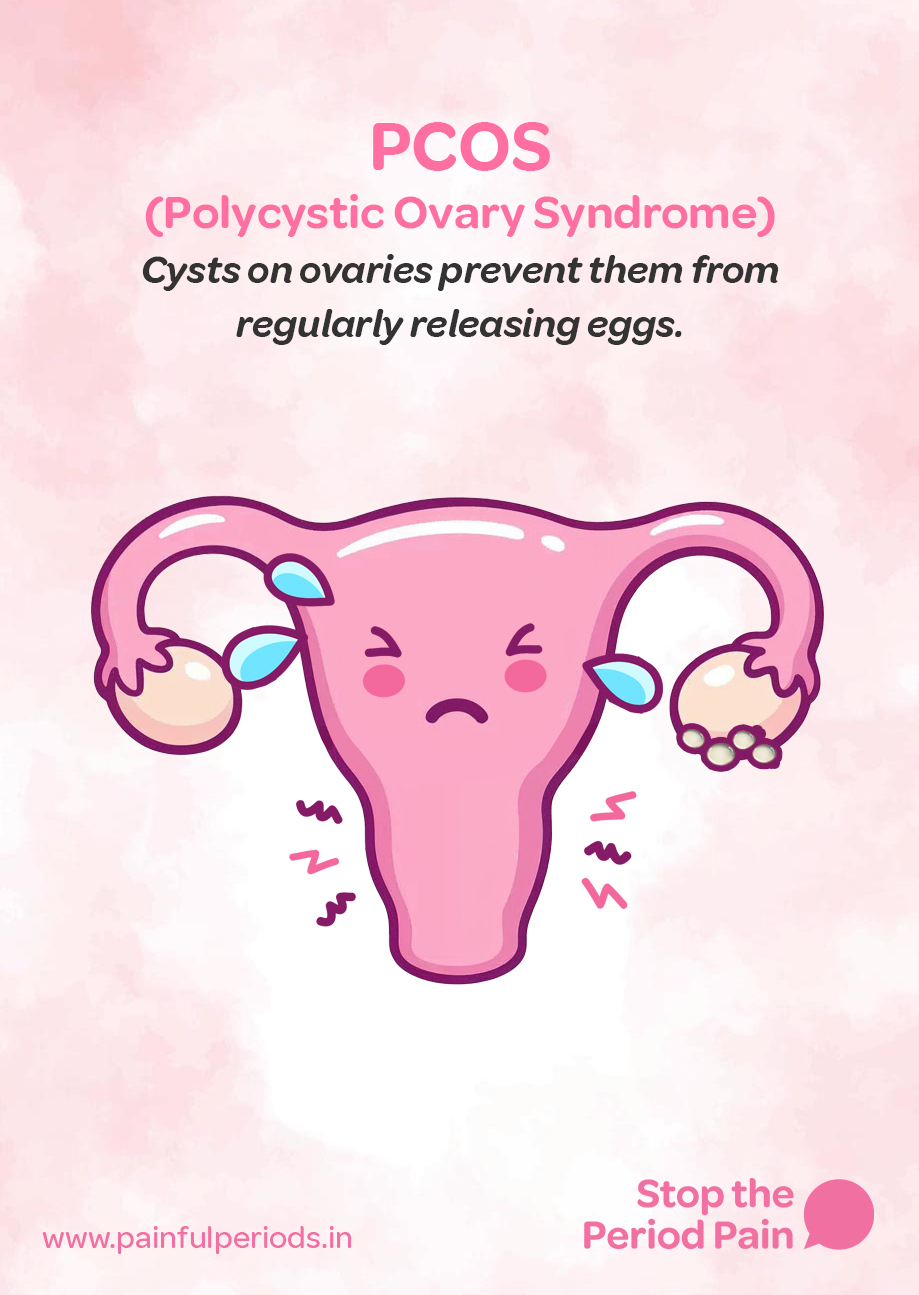
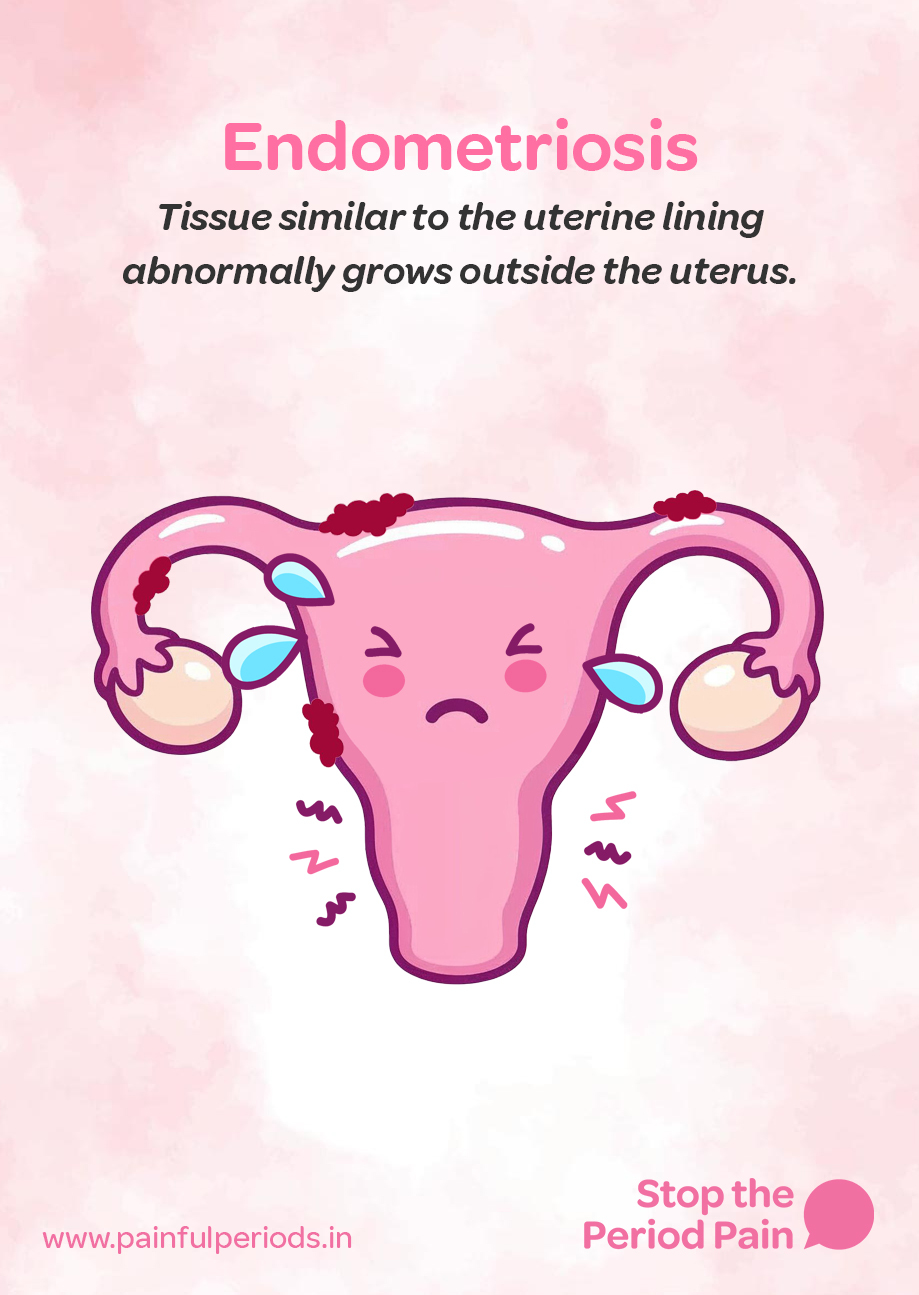
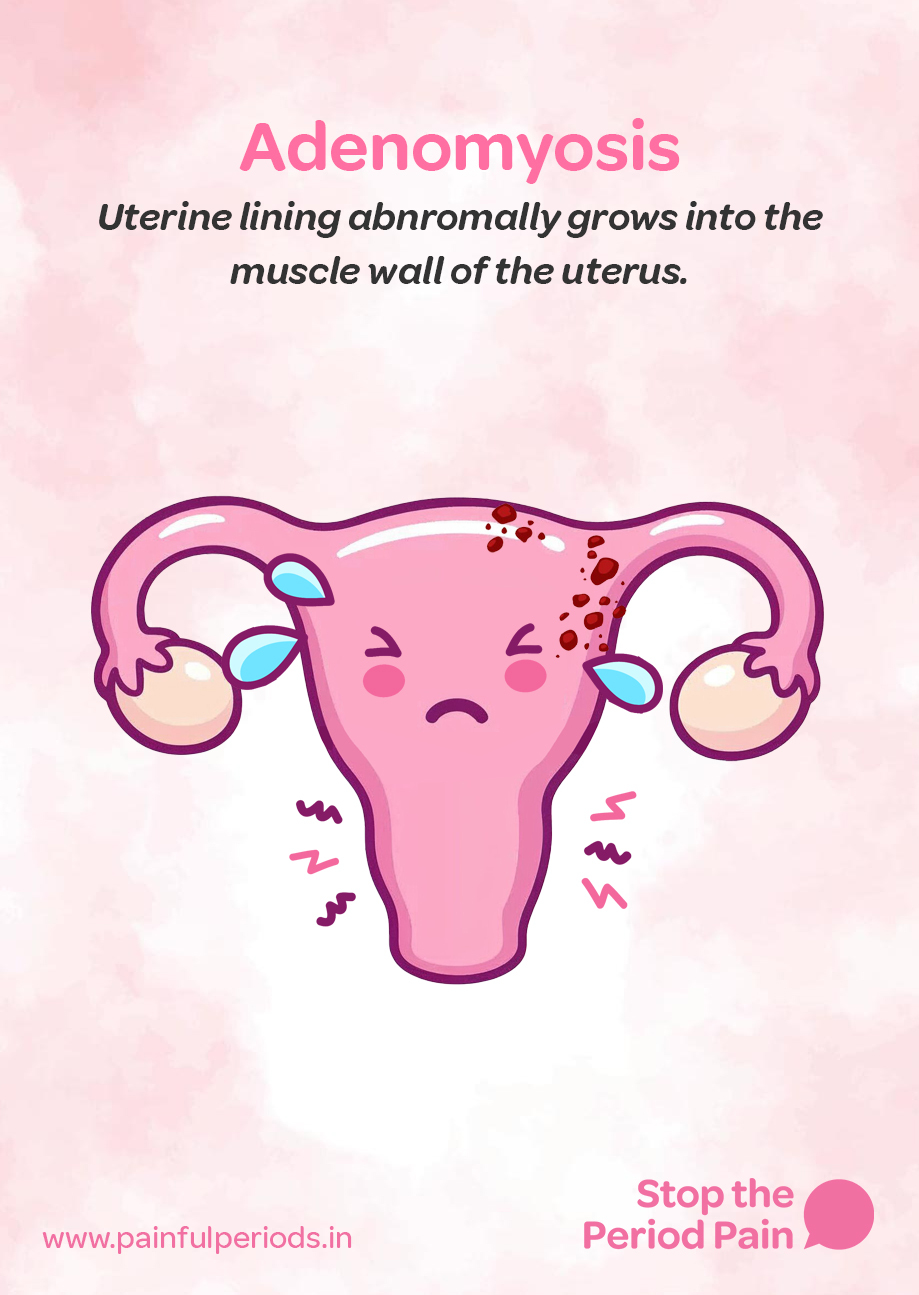
If you are diagnosed with PCOS, your gynaecologist may also check for other related conditions such as Endometriosis and Adenomyosis, as these conditions can sometimes coexist or share similar symptoms. We also have a dedicated guide on Uterine Fibroids.
Hope and Support: Tackling Uterine Fibroids In India
Just like Bani, who found relief and a renewed sense of well-being after her diagnosis and treatment, there is hope for managing uterine fibroids and living a full and active life. Navigating a uterine fibroids diagnosis can feel overwhelming, but a proactive approach and a strong support system can make all the difference. Here are some actionable steps for your journey to well-being:
Be Your Own Advocate
It’s crucial to advocate for yourself. Go to your appointment prepared with a detailed log of your symptoms, including the frequency and severity of your pain and bleeding. Don’t hesitate to ask specific questions about the diagnosis and treatment options. If you’re not satisfied with the answers, a second opinion from another gynaecologist is a right you should exercise.
Find a Gynaecologist Who Specialises in Fibroids
Not all doctors have the same expertise. Seek out a gynaecologist who has a known specialisation in managing gynaecological conditions like fibroids. They can offer a wider range of modern treatment options, including minimally invasive procedures, and a personalised plan that considers your desire for future pregnancies.
Living with uterine fibroids can be challenging, but remember that you are not alone. Seeking support from healthcare professionals, family, friends, and support groups can make a significant difference in your journey.
Your Journey to Knowledge, One Story at a Time
Transform your understanding of Uterine Fibroids through engaging and informative stories based on real medical insights.
The Answers You've Been Looking For
Get clear, concise answers to your most pressing questions about Uterine Fibroids.
Your Journey to #StopThePeriodPain Starts Here
Every month, millions of Indian girls & women suffer in silence, told that their severe period pain (dysmenorrhea) is “normal.” Our mission is to break that silence. #StopThePeriodPain campaign is here to empower you with 3 simple truths:
References:
- International Journal of Reproduction, Contraception, Obstetrics and Gynecology – Prevalence of Fibroids
- Prevalence of Risk Factors for Uterine Fibroids at Tertiary Care Teaching Hospital: A Cross-sectional Study
- International Journal of Reproduction, Contraception, Obstetrics and Gynecology -Epidemiological Study of Uterine Fibroids
- Key Practice Points on Fibroids 2019 Indian Perspective
- Hindustan Times – Doctor shares how he saved 28-year-old woman from severe pelvic pain by removing 1.2 kg uterine fibroid in rare surgery
- The Indian Express – A 20-year-old had uterine fibroids: Yes, they can happen but still be managed
- Times of India – Venus Williams was told her uterine fibroid symptoms were ‘normal’—here’s what she wants you to know
- The Week – Why are Indian women developing fibroids at a young age?
- The Times of India – Bengaluru woman ignores abdominal pain for 6 months, goes under knife for 7.4kg uterine fibroid
- The Hindu – Non-surgical treatment for uterine fibroids possible now, says doctor
- Research Gate – Prevalence of fibroids: a study in a semiurban area in Telangana, India