Decoding PCOS: Symptoms, Causes & Your Path to Relief
Table Of Content
- Tarini's Story and the Reality of PCOS
- What is PCOS?
- PCOS Symptoms: Recognising the Red Flags
- PCOS Causes: What We Know
- Diagnosing PCOS: Seeking Answers
- PCOS Treatment: Finding Your Path to Relief
- PCOS Without Intervention: The Cost of Waiting
- Related Gynaecological Conditions
- Hope and Support: Tackling PCOS In India
- The Answers You've Been Looking For
- References:
Tarini's Story and the Reality of PCOS
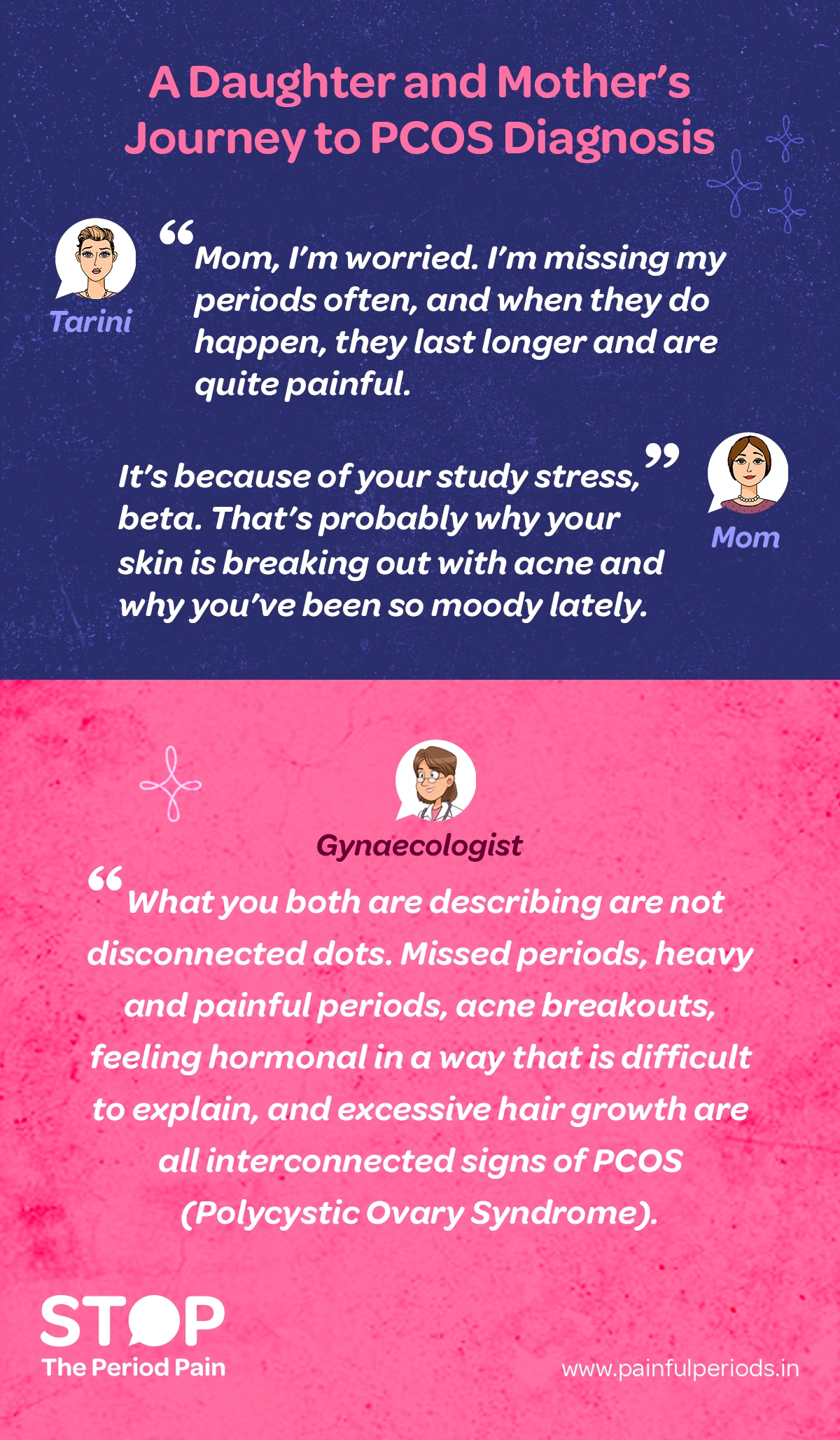
Remember Tarini from our page on Period pain overview, symptoms, causes? The first time Tarini missed her period, she was 17. Her first thought was a nervous flutter of anxiety, but her mother quickly dismissed it. “It’s normal, beta. It happens sometimes, especially with the stress of your exams.” Tarini accepted the explanation, but one missed period turned into two, sometimes three. Soon, her cycle became an unpredictable mess, a source of constant low-level stress.
Then came the acne. Not the occasional pimple, but a persistent, angry breakout that no face wash could fix. Tarini, like many of her friends, thought it was just a stubborn skin issue. She spent money on every new cream and cleanser, frustrated that nothing worked. When she’d chat with her friends about periods, their conversations revolved around managing cramps or which sanitary pad brand was best. Tarini’s irregular cycles felt like a secret, a problem that was hers alone.
She started to feel “hormonal” in a way that was hard to explain. Some days she’d be full of energy, and the next, a small comment would send her into a spiral of frustration and tears. A missed bus would feel like the end of the world. She didn’t understand why she felt so moody and out of control. Meanwhile, her weight began to creep up, a battle that felt impossible to win despite her efforts. When the hair on her face and body grew darker and more noticeable, it became another source of quiet shame.
Two to three years went by. What her family and she had written off as “teenage issues” became her reality. After years of struggling and feeling alone, Tarini decided enough was enough. One night, she sat her mother down and showed her the research she had secretly been doing on her phone. She typed her symptoms into a search bar—”irregular periods, acne, weight gain, hair loss”—and the results came back with a resounding answer: PCOS.
They visited a gynaecologist, who finally connected all the dots. The diagnosis was a relief, but also a stark reminder of the years lost. For so many women, this is the story. The subtle, seemingly unrelated symptoms are dismissed as normal, a part of being a woman, which leads to a delay in diagnosis that can many months and years.
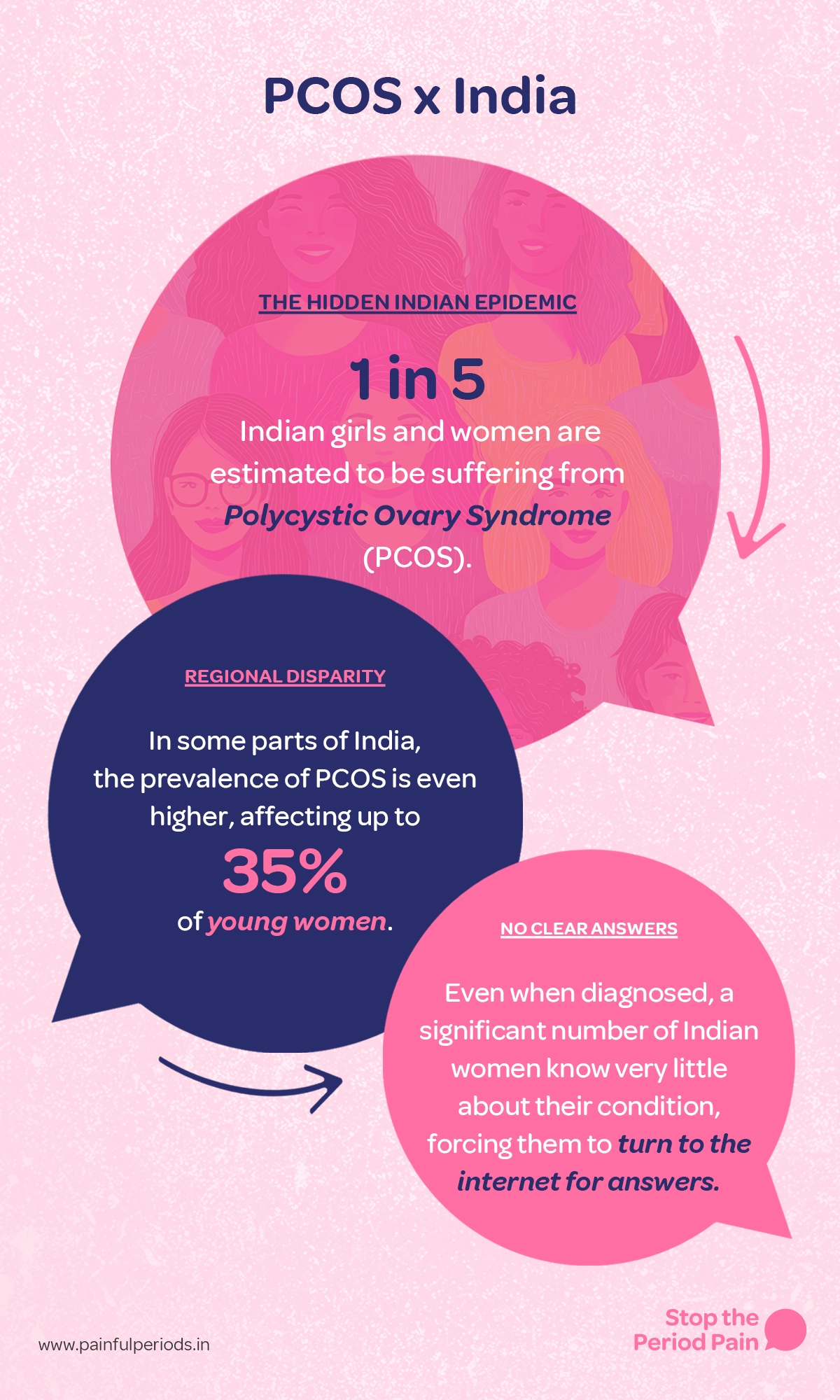
According to the PCOS Society of India, PCOS affects an estimated 1 in 5 women in India. Its prevalence is rising, especially in urban areas, with a recent survey by a leading diagnostic company finding that up to 25% of adolescent girls in India may be suffering from the condition. Yet, for all its prevalence, PCOS remains a silent epidemic. While women in urban areas like Tarini may eventually find access to specialised healthcare, their counterparts in rural India often lack both the awareness and the resources to seek a diagnosis, leaving them to suffer in silence.
This page is dedicated to decoding PCOS: what it is, its symptoms, potential causes, and the available treatments that can offer significant relief, just like Tarini eventually found.
What is PCOS?
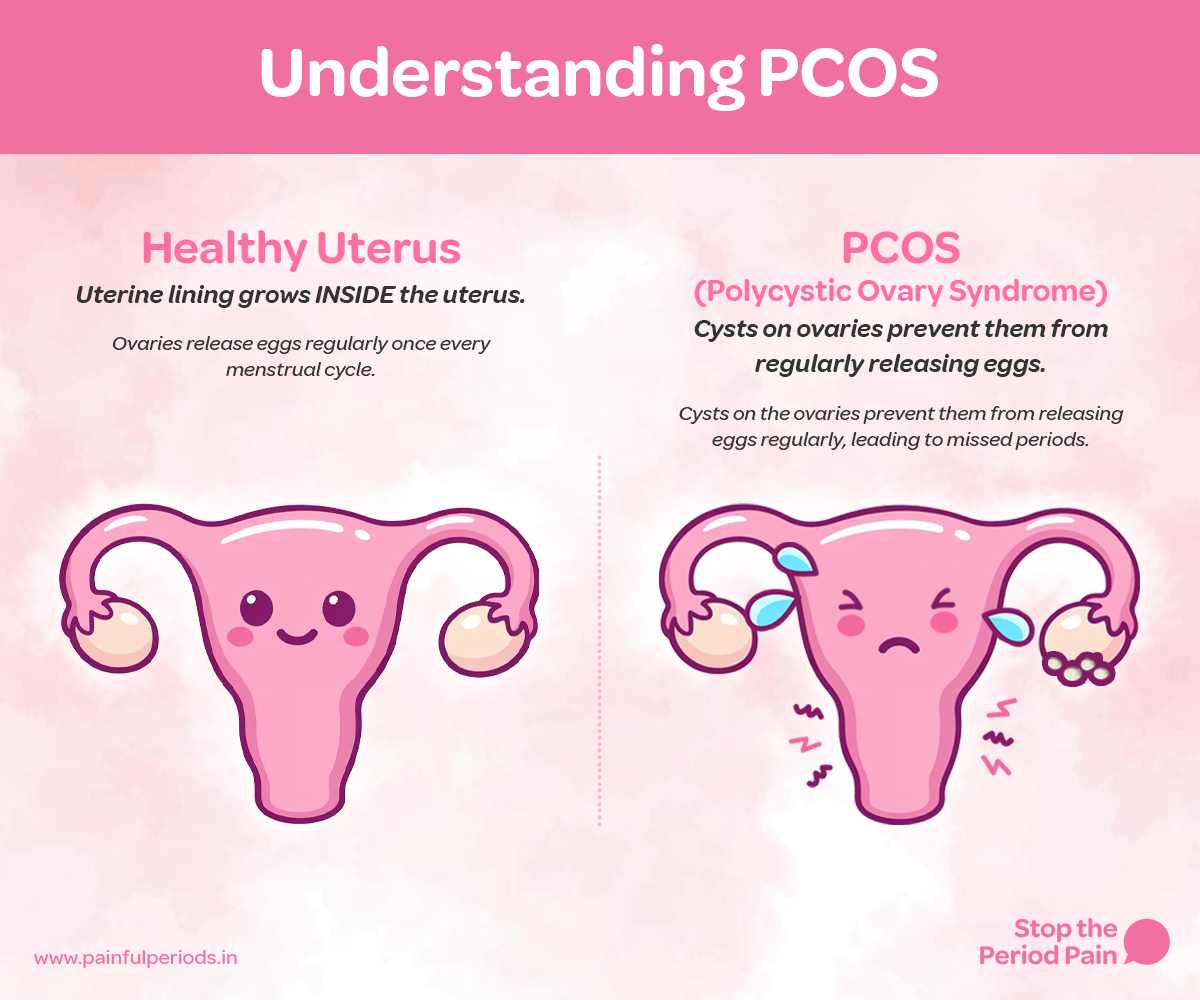
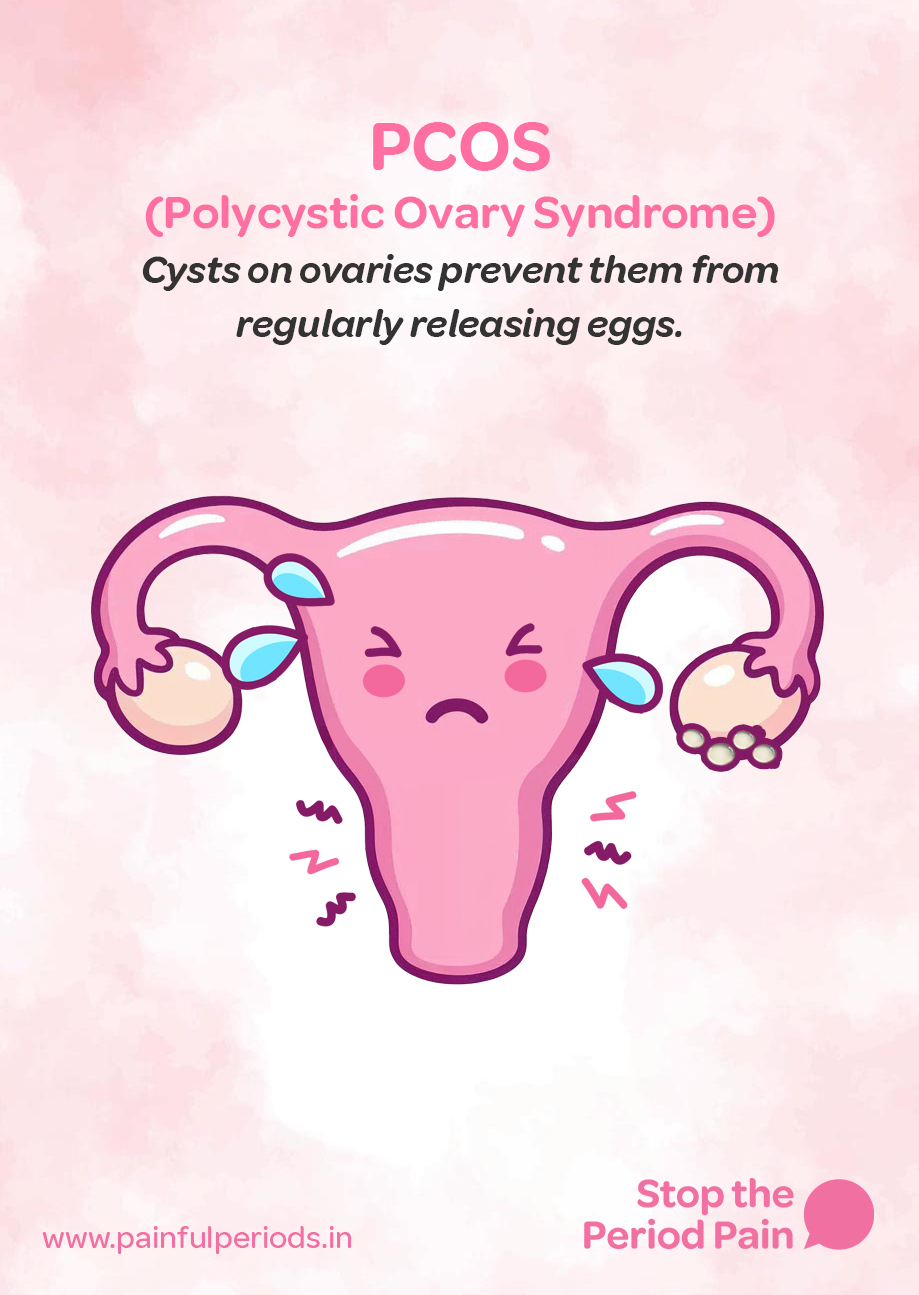
Polycystic Ovary Syndrome (PCOS) is a common hormonal disorder among women of reproductive age. This hormonal imbalance is driven by elevated levels of androgens, often referred to as “male hormones,” which are typically present in women at much lower levels. This hormonal imbalance leads to a range of symptoms, from menstrual irregularities to insulin resistance.
In this condition, the ovaries may develop numerous small follicles (called cysts) and fail to release eggs regularly. The small cysts that form on the ovaries are actually fluid-filled sacs that contain immature eggs. These sacs are a result of the ovaries failing to release an egg each menstrual cycle.
This failure to regularly release eggs is the primary reason for the irregular periods and can lead to fertility issues.
PCOS Symptoms: Recognising the Red Flags
While PCOS symptoms can vary from person to person, recognizing the common signs is crucial for early diagnosis and management. If you are wondering what the first signs of PCOS are, paying close attention to these symptoms is key.
Common PCOS Symptoms
Irregular or Absent Periods
This is one of the most common signs. Your menstrual cycle may be longer than 35 days, or you may have fewer than eight periods a year.
Heavy or Painful Periods
While irregular periods are the most common symptom, when a period does occur, it can sometimes be very heavy and prolonged, accompanied by severe pain. This is due to the uterine lining building up over a longer period between cycles, resulting in a heavier shedding when it finally happens.
Weight Gain or Difficulty Losing Weight
PCOS can make it difficult to maintain a healthy weight due to insulin resistance.
Acne
Hormonal imbalances can lead to persistent acne, particularly on the face, chest, and upper back.
Excess Body and Facial Hair (Hirsutism)
This is caused by high levels of androgens (male hormones).
Hair Thinning or Hair Loss
On the scalp, this can resemble male-pattern baldness.
Skin Changes
Dark patches of skin, particularly on the neck, groin, or under breasts (acanthosis nigricans), can be a sign of insulin resistance.
Mood Swings, Anxiety & Depression
Hormonal imbalances and physical symptoms can take a toll on mental health.
PCOS Causes: What We Know
-
Insulin Resistance
This is when the body’s cells don’t respond properly to insulin, leading to high insulin levels. High insulin can increase androgen production, causing symptoms like excess hair growth and acne. -
Genetics
PCOS often runs in families, suggesting a genetic link. -
Excess Androgens
High levels of male hormones can prevent the ovaries from releasing eggs, leading to irregular periods and other symptoms.
Diagnosing PCOS: Seeking Answers
If you suspect you might have PCOS, the best next step is to get professional help. Consulting a gynaecologist is crucial; they can listen to your detailed medical history and guide you through the process. Here are the common diagnostic methods they use to get a clear picture:
Physical Exam
The gyanecologist will perform a physical check, looking for key signs like excess hair growth, acne, or weight gain, which are all common red flags for PCOS.
Pelvic Exam
This internal examination helps the gynaecologist check for any abnormalities or signs of other conditions.
Blood Tests
These tests are essential. They measure your hormone levels, check for insulin resistance, and help rule out any other conditions that might have similar symptoms.
Ultrasound
A transvaginal ultrasound is a non-invasive way to visualise your ovaries and check for the presence of the multiple small cysts that are characteristic of PCOS.
By combining these different diagnostic methods, your doctor can make an accurate diagnosis and create a personalised treatment plan for you.
Having missed periods? Or painful periods? Suspecting PCOS?

PCOS Treatment: Finding Your Path to Relief
While there is currently no cure for PCOS, effective treatment options are available to manage symptoms and improve your quality of life. The best approach will depend on your individual circumstances.
Your gynaecologist will discuss various treatment options, which may include:
Lifestyle Changes
This is often the most crucial first step. Simple, sustainable changes to your diet, such as incorporating more dal, sabzi, and whole grains, along with regular exercise like yoga or walking, can significantly improve insulin resistance and aid in weight management.
Medication
Oral contraceptives are often prescribed to regulate menstrual cycles and reduce androgen-related symptoms like acne and hair growth. Gynaecologists sometimes prescribe medications to improve insulin sensitivity, which is a key part of managing PCOS for many Indian women.
Fertility Treatments
For those trying to conceive, your gynaecologist can offer medical options to help stimulate ovulation.
Medical Nutrition Therapy
A registered dietitian can provide a personalised nutrition plan to manage your symptoms. Medical nutrition therapy isn’t about crash dieting but focuses on a balanced, nutrient-rich diet that can help regulate blood sugar, manage weight, and reduce inflammation, often incorporating traditional Indian foods in a healthy way.
Ayurvedic Methods
Some women try Ayurvedic treatments as a complementary approach. Herbal remedies, specific dietary changes (Aahar), and lifestyle adjustments (Vihar) are tailored to an individual’s body type (dosha) to help balance hormones and improve overall health. It is recommended that these methods always be discussed with your gynaecologist to ensure they don’t interfere with other treatments.
PCOS Without Intervention: The Cost of Waiting
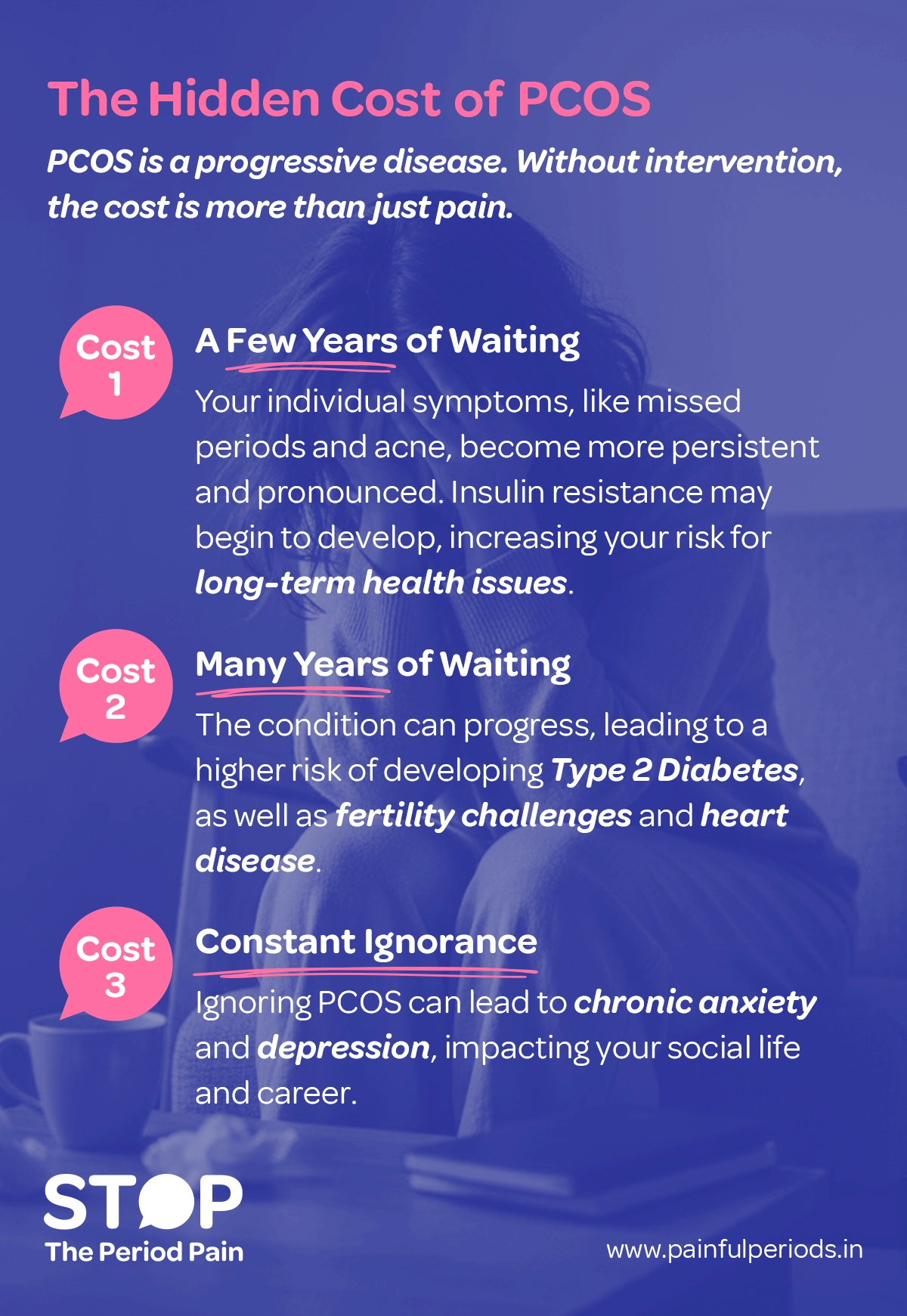
PCOS is a chronic condition that requires active management. In India, even a girl who is meticulous about tracking her menstrual cycle might not realise that her missed periods, acne breakouts, and inexplicable weight gain are all connected. This inability to see the bigger picture of seemingly unrelated symptoms can result in years of lost time, during which the disease can silently progress and become more difficult to manage.
Here’s a look at what can happen with no intervention:
Increased Risk of Type 2 Diabetes
Due to insulin resistance, many women with untreated PCOS are at a higher risk of developing Type 2 Diabetes, a condition that is already a growing concern in India.
Heart Disease
The hormonal imbalances and insulin resistance associated with PCOS can increase the risk of cardiovascular issues, a silent concern often overlooked in young women.
Infertility
For many Indian women, the dream of motherhood is central to their lives. Without timely intervention, the lack of ovulation can lead to difficulties in conceiving, causing immense emotional and social distress.
Mental Health Issues
Living with persistent symptoms can take a significant toll on a woman’s confidence and self-esteem. For Tarini, her constant battle with acne and the weight that wouldn’t budge led to feelings of anxiety and self-consciousness. She began to avoid social gatherings, especially during her college years, as she felt embarrassed by her appearance. The mood swings she experienced made her feel out of control, impacting her friendships and ability to concentrate on her studies. Untreated PCOS can lead to chronic anxiety and depression, impacting social life, career, and overall well-being—just as it did for Tarini for years, before she finally sought help.
Related Gynaecological Conditions
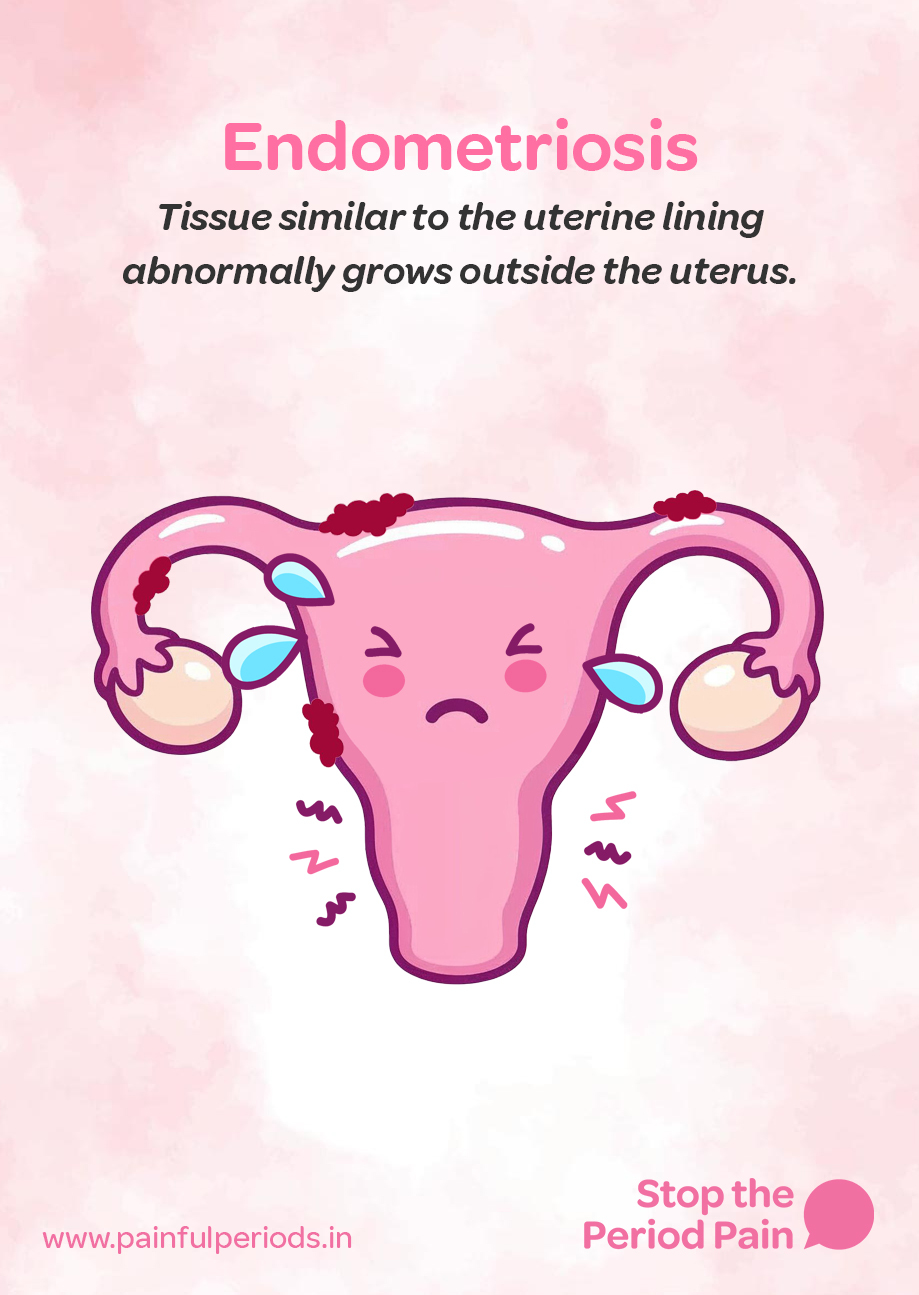
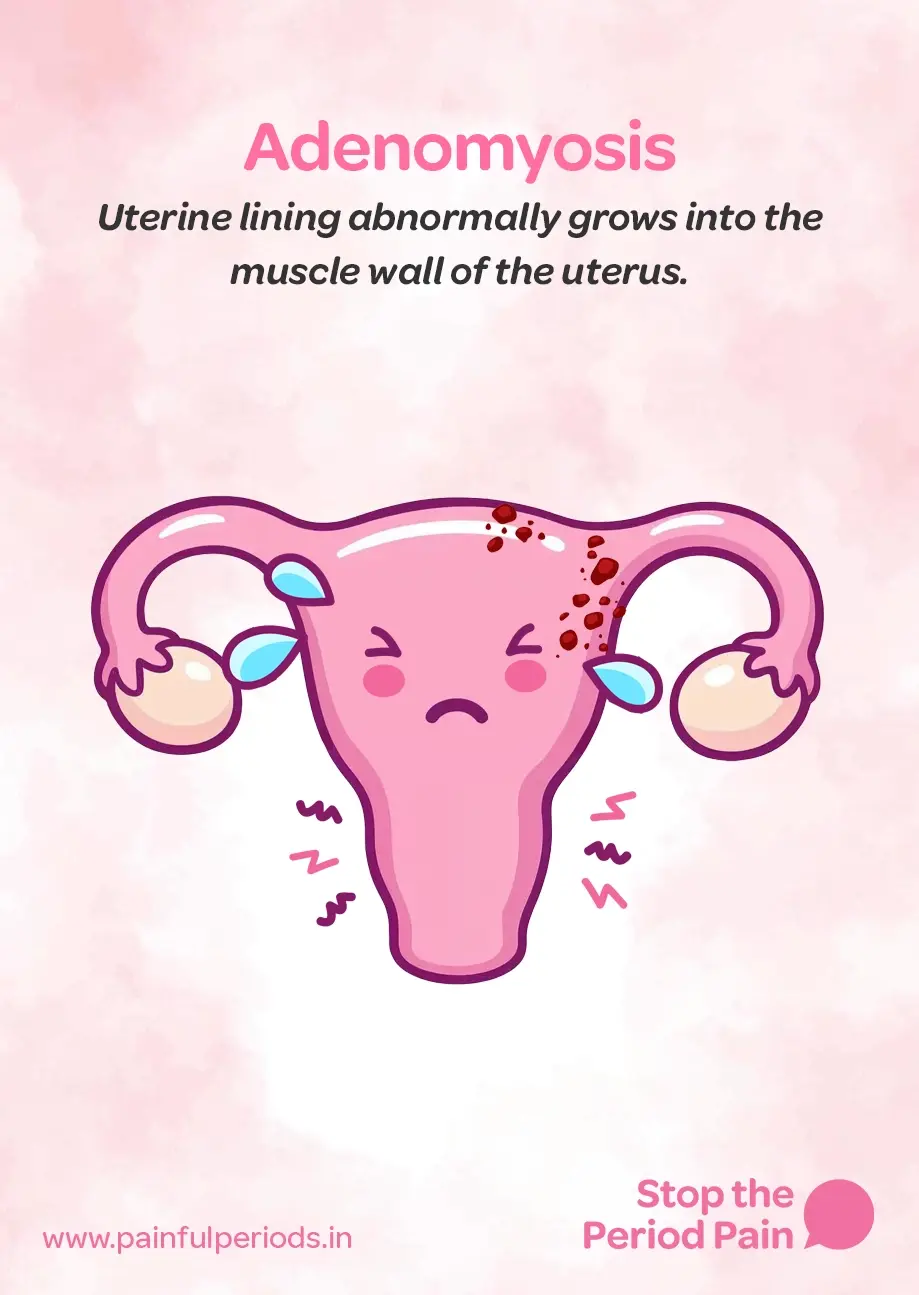
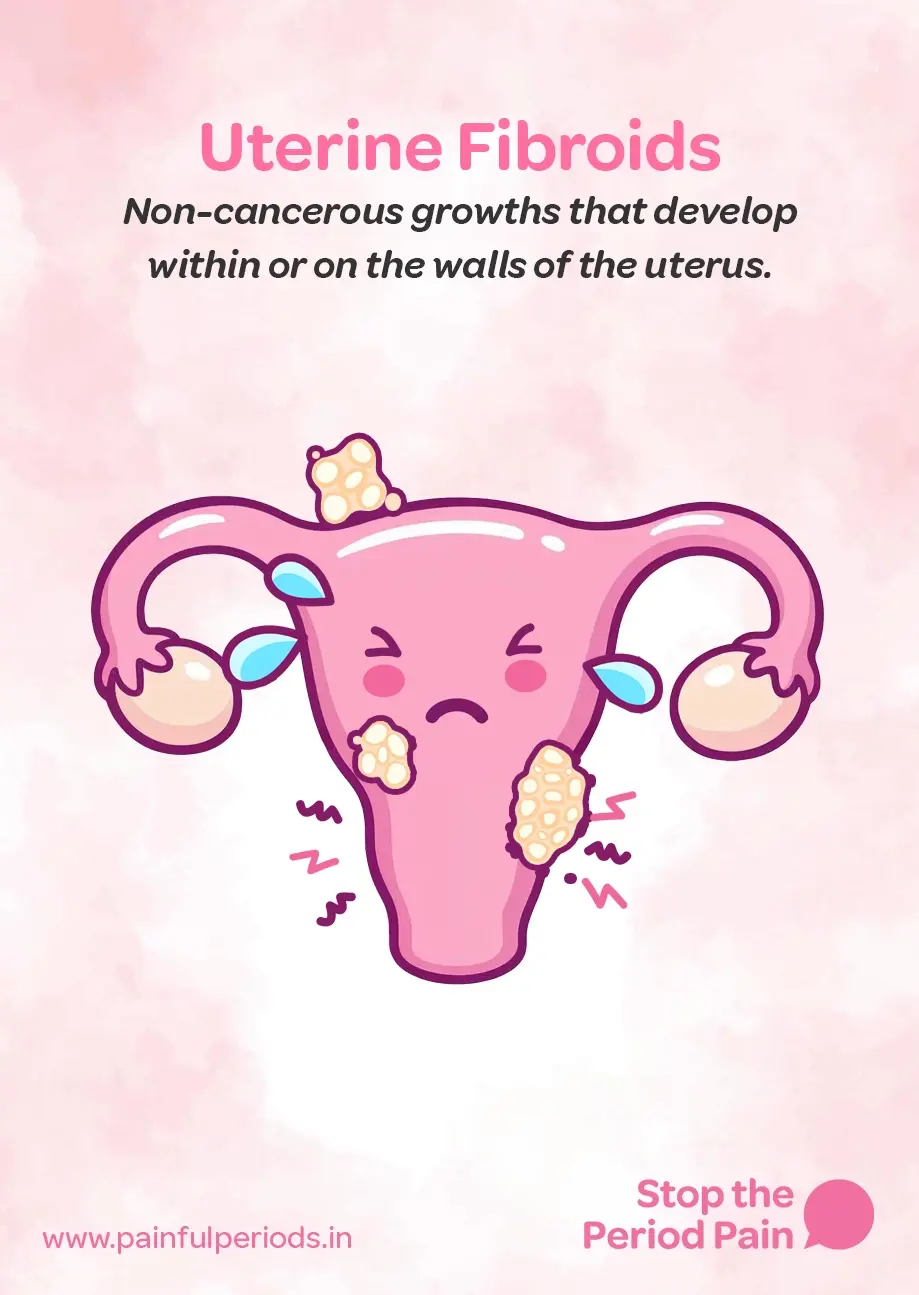
If you are diagnosed with PCOS, your gynaecologist may also check for other related conditions such as Endometriosis and Adenomyosis, as these conditions can sometimes coexist or share similar symptoms. We also have a dedicated guide on Uterine Fibroids.
Hope and Support: Tackling PCOS In India
Just like Tarini, who found relief and a renewed sense of well-being after her diagnosis and treatment, there is hope for managing PCOS and living a full and active life. However, the path to diagnosis and treatment in India is often fraught with challenges.
The Diagnosis Gap
Many Indian women face a “trust deficit” with their doctors, often receiving conflicting or insufficient information. A 2021 study by the Postgraduate Institute of Medical Education and Research (PGIMER), Chandigarh, revealed that a significant number of patients know very little about their condition (PCOS), even after starting treatment, leading them to search the internet for answers.
Beyond Generic Advice
As an article in Think Global Health points out, many healthcare professionals in India are unprepared for a PCOS crisis. The advice given is often generic, with a heavy focus on fertility while other crucial health risks—like heart disease are overlooked.
A Call for Change
To combat India’s PCOS crisis, a paradigm shift is needed. Bridging the knowledge gaps among healthcare professionals and forming strong, evidence-based guidelines is essential. A holistic approach that includes lifestyle interventions, medical treatments, and complementary therapies like Medical Nutrition Therapy and Ayurveda should be prioritised. Most importantly, we must empower women with accurate information to take control of their well-being.
Living with PCOS can be challenging, but remember that you are not alone. Seeking support from healthcare professionals, family, friends, and support groups can make a significant difference in your journey.
Your Journey to Knowledge, One Story at a Time
Transform your understanding of PCOS through engaging and informative stories based on real medical insights.
The Answers You've Been Looking For
Get clear, concise answers to your most pressing questions about PCOS.
Your Journey to #StopThePeriodPain Starts Here
Every month, millions of Indian girls & women suffer in silence, told that their severe period pain (dysmenorrhea) is “normal.” Our mission is to break that silence. #StopThePeriodPain campaign is here to empower you with 3 simple truths:
References:
- Times of India – PCOS and PCOD on the rise in Indian women
- Times of India – PCOS leads to diabetes, inflammation and infertility
- Times of India – What You Need to Know About PCOS: Causes, Symptoms, and Treatments?
- Times of India – Identifying PCOS and when to seek help from professionals
- Think Global Health, India Is Unprepared for a PCOS Crisis
- Max Healthcare – PCOD and PCOS – Symptoms, Causes, Differences & Treatment
- Stafree India – PCOS/ PCOD
- Indian Journal of Dermatology, Venerology, Leprology – Polycystic ovarian syndrome
- PubMed Central – Prevalence of Polycystic Ovarian Syndrome in India: A Systematic Review and Meta-Analysis
- Hindustan Times – Acne to Infertility: Hidden Impact of PCOS on Women’s Health
- PIB India, Polycystic Ovarian Syndrome (PCOS) and its Complications