
Anindita, a bright young girl pursuing her graduation in Kolkata, often found herself struggling with intense headaches. Initially, her mother, a well-read and observant woman, attributed these to Anindita’s long hours studying and reading. “Maybe it’s your eyesight, beta,” she suggested, promptly arranging an eye check-up.
But Anandita’s mother was also astute. She noticed that these headaches were different. They weren’t just a dull ache; they were accompanied by a crushing throbbing, sometimes even a strange sensitivity to light, sound, and certain smells. Anandita would feel unusually warm or sometimes experience inexplicable chills, symptoms not typically associated with simple eyestrain. Crucially, her mother started connecting these episodes to Anandita’s menstrual cycle, realising they consistently appeared a few days before and during her period.
Her mother tried various home remedies—a cool compress of rose water on her forehead, ginger tea infused with tulsi, or a gentle head massage with almond oil. These offered fleeting relief, but the headache would stubbornly persist, sometimes for days.
One evening, Anindita was particularly unwell. The light from the evening lamp felt very bright, and even her mother’s soft footsteps seemed very loud. Alarmed by the severity of Anandita’s light sensitivity during her period, her mother turned to the internet. She searched “light sensitivity during periods” and suddenly, a whole new world opened up: menstrual migraine. Realising this was far more complex than a simple headache, she immediately booked an appointment with a gynaecologist.
For many girls and women across India, the days leading up to their period aren’t just about managing cramps. It’s often about battling an uninvited guest: a severe, throbbing headache that feels distinctly different from any other. These aren’t just “headaches” to be endured; they are often period headaches (menstrual migraines, hormone headaches, or menstrually related migraines) – a specific type of headache triggered by the intricate dance of our hormones.
Let’s unpack these hormonal migraines through the experiences of girls and women from different corners of our country, whose journeys shed light on this often-misunderstood condition.
In This Story
Reena's Pollution Puzzle in Gurugram
Reena, a young professional navigating her first job in Gurugram, was fiercely independent. Her first severe headache struck one winter, during peak stubble-burning season when Delhi-NCR’s air quality was a daily news debate. The headache was so intense, coupled with nausea, that she, like many others, blamed the choking pollution.
“It must be the air,” she told her colleagues, popping an over-the-counter painkiller.
But as the seasons changed, the headaches didn’t. They continued through the blistering Gurugram summer and even into the monsoon, when pollution levels were significantly lower. They were relentless, always arriving a day or two before her period. Reena finally pieced it together. This wasn’t just pollution-induced discomfort; this was a recurring, cyclical pain. She realised these were period migraines, and her online searches quickly led her to more terms like hormonal migraines, menstrual migraine and period headaches.
Many girls like Anandita and Reena initially experience these intense headache episodes as disconnected events. They might attribute them to stress, lack of sleep, poor diet, or even the weather. It’s often only after a pattern emerges, consistently linked to their menstrual cycle, that they begin to search for a deeper understanding online, uncovering terms like menstrually related migraines and realizing this isn’t just “bad luck” but a distinct medical condition.

What Exactly is a Menstrual Migraine?
A menstrual migraine (or menstrually related migraine, hormonal headache, period migraine) is a severe, throbbing headache that occurs specifically in relation to a woman’s menstrual cycle. Unlike a regular headache, it often comes with additional, debilitating symptoms and is frequently more intense and longer-lasting than other migraines.
The Reasons Behind the Relentless Headaches
The primary culprit behind menstrual migraines is the fluctuation of hormones, specifically:
1. Estrogen Drop
The most common trigger is the sharp drop in estrogen levels that occurs just before a woman’s period begins. Estrogen is known to influence brain chemicals, including serotonin, which plays a role in migraine attacks.
2. Progesterone
While less understood, changes in progesterone levels may also contribute to migraines.
3. Other contributing factors
These can include stress, lack of sleep, dietary triggers, and dehydration, which can amplify the hormonal impact.
Hit Up Our Period Pain Calculator
For real, how bad is your pain? Our interactive tool uses a 1-10 pain scale and a few quick questions to help you get the full picture. In just a few clicks, you’ll know if your pain is a chill or a major red flag.

Symptoms of Menstrual Migraine
Menstrual migraines are characterised by the below symptoms which can be so intense that they prevent daily activities, forcing women to seek dark, quiet environments.
1. Head Pain
Ranging from dull and persistent to severe, throbbing, often on one side of the head, but can be on both.
2. Sensitivity
Extreme sensitivity to light (photophobia), sound (phonophobia), and sometimes even smells (osmophobia).
3. Nausea & Vomiting
Many women experience significant nausea, sometimes leading to vomiting.
4. Other Symptoms
Feeling very warm (sweating) or cold (chills), fatigue, dizziness, and increased irritability.
Finding Relief: Treatment Options for Menstrual Migraine
The good news is that menstrual migraines are treatable. Effective management often involves a multi-pronged approach:
1. Tracking Your Cycle & Symptoms
Keeping a detailed diary of your period dates, headache onset, severity, and other symptoms is crucial. This helps both you and your doctor identify patterns and triggers.
2. Over-the-Counter Pain Relievers
For some, gynaecologist prescribed NSAIDs (Nonsteroidal Anti-Inflammatory Drugs) taken at the onset of symptoms, can provide relief.
3. Prescription Medications
These are specific migraine medications that can effectively stop a migraine attack. Doctors may often prescribe to be taken at the first sign of a migraine. Depending on severity, other preventive medications might be prescribed for daily use to reduce the frequency and intensity of migraines.
4. Hormonal Therapies
For women with a clear link to hormonal fluctuations, doctors might suggest continuous oral contraceptives or estrogen patches/gels to stabilise hormone levels and prevent the drop that triggers migraines.
5. Stress Management
Techniques like yoga, meditation, and deep breathing.
6. Regular Sleep
Maintaining a consistent sleep schedule.
7. Hydration & Diet
Staying well-hydrated and identifying/avoiding individual food triggers.
8. Regular Exercise
Moderate physical activity can help.
Your Journey to #StopThePeriodPain Starts Here
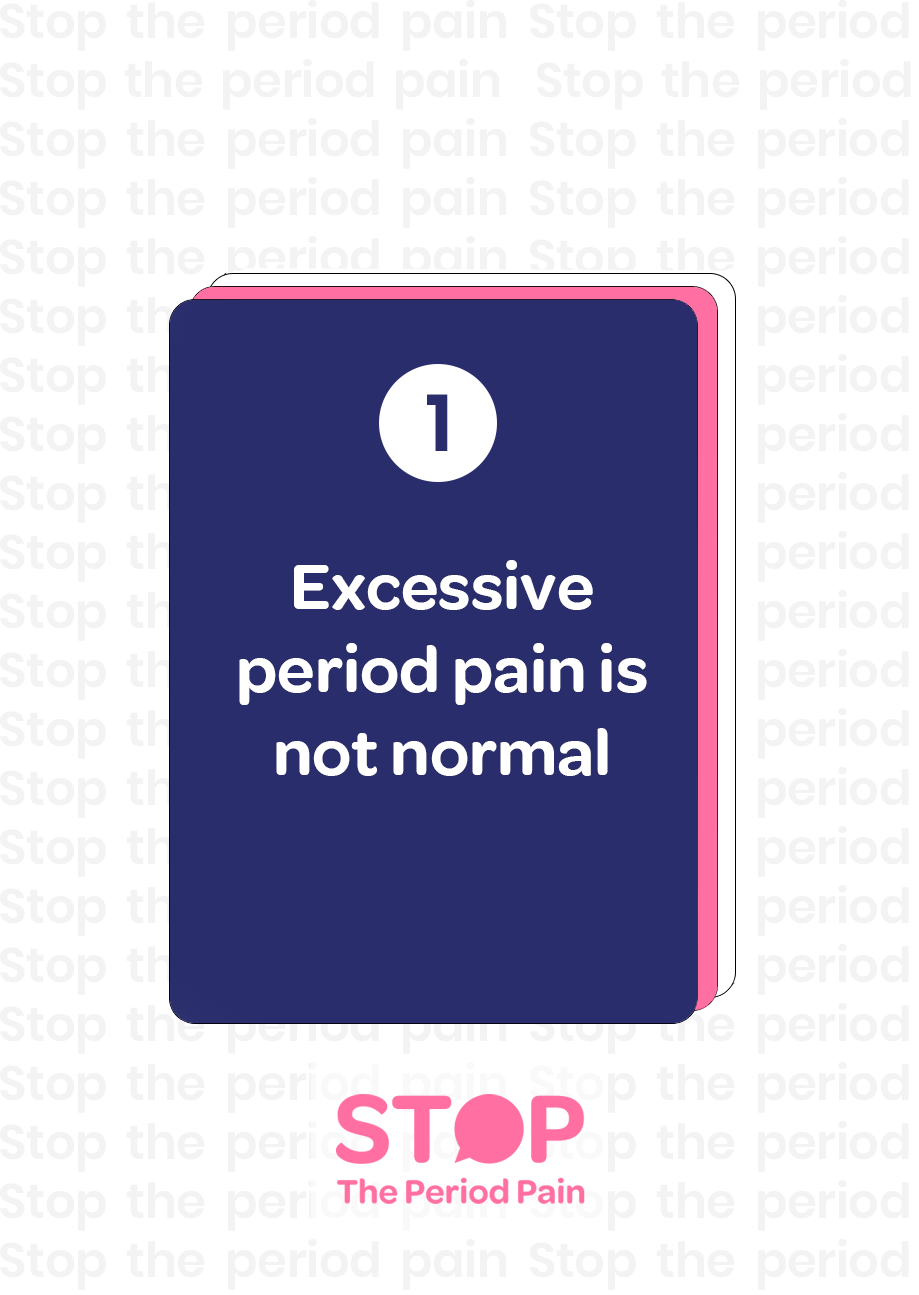
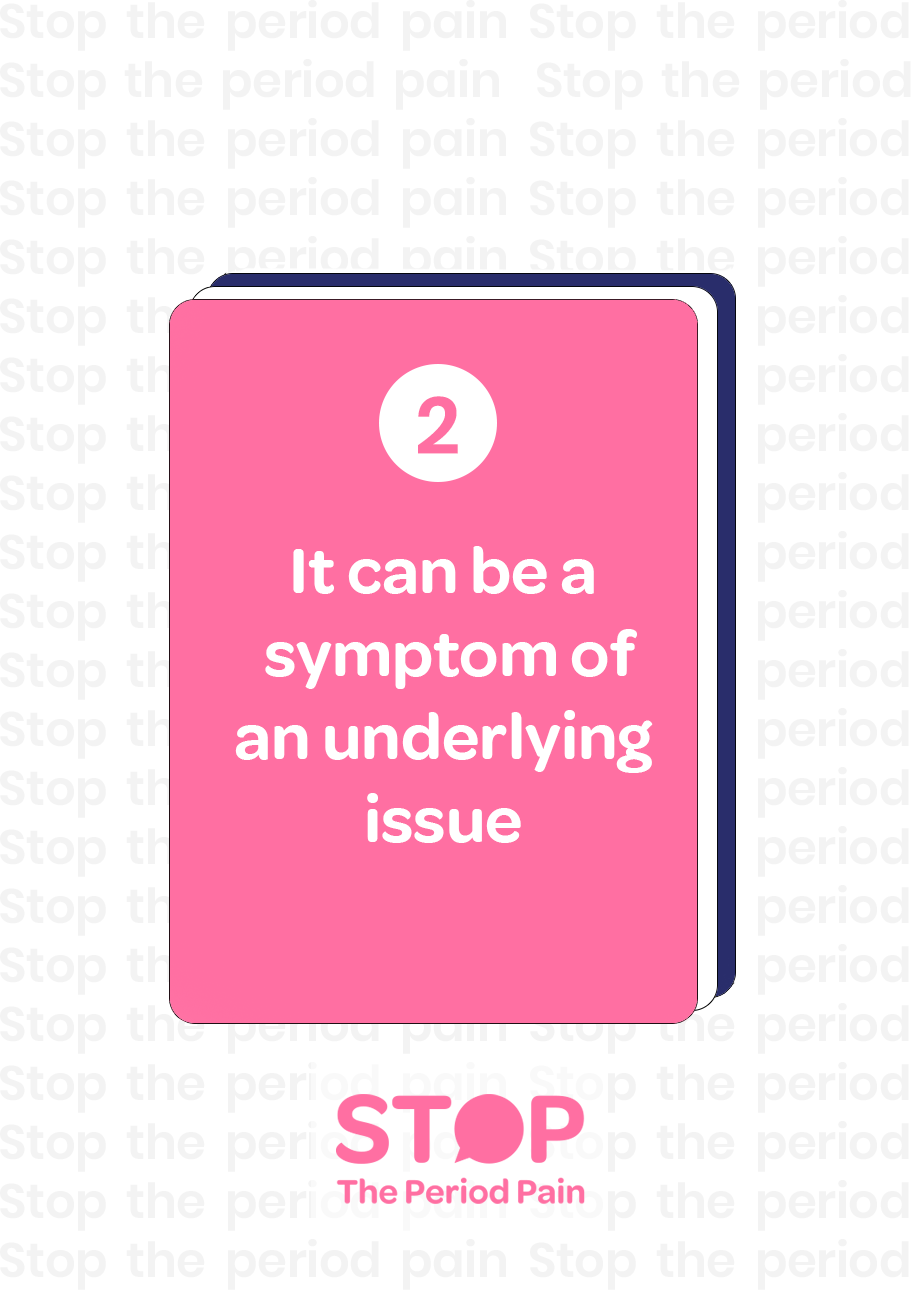
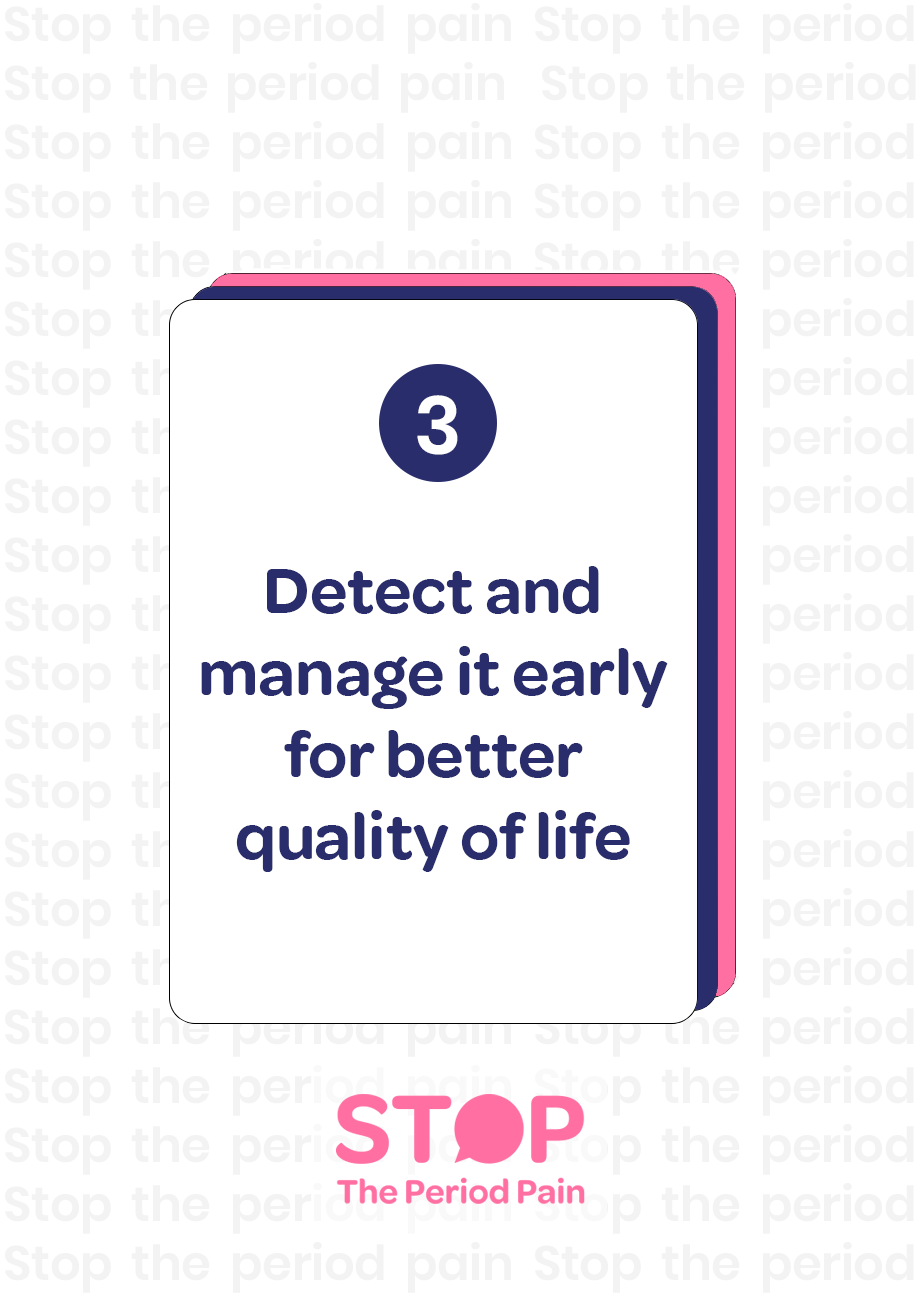
Every month, millions of Indian girls & women suffer in silence, told that their severe period pain (dysmenorrhea) is “normal.” Our mission is to break that silence. #StopThePeriodPain campaign is here to empower you with 3 simple truths:
The Moral of the Story: Your Pain is Valid
Anandita’s and Reena’s stories, like countless others, teach us a crucial lesson: your pain is valid, and it’s not “just a headache.” If you suspect you’re experiencing menstrual migraines, trust your instincts. Don’t suffer in silence. Speak to a gynaecologist or a headache specialist. Understanding that these are specific hormone headaches is the first step towards finding effective relief and reclaiming your life from this uninvited, yet treatable, guest.
More Stories To Read
Transform your understanding of period pain through engaging and informative stories based on real medical insights.
The Answers You've Been Looking For
Get clear, concise answers to your most pressing questions about period pain.
- Can Menstrual Pain Cause Depression?
- What is the cause of period pain?
- What are the symptoms of period pain?
- Why does my period pain go down to my thighs?
- Can dysmenorrhea cause depression?
- What is the best treatment for period pain?
- How can I stop period pain immediately?
- Which medicine is best for menstrual pain relief?
- How do you relieve period pain in teens?
- When to see a doctor for painful periods?
Disclaimer:
This content is for informational purposes only and is not a substitute for professional medical advice. The information provided here is based on general trends and may not apply to every individual, as every woman’s body and experience with period pain is unique.
Do not self-diagnose or self-treat. If you are experiencing painful periods, especially if the pain is moderate to severe or accompanied by other concerning symptoms, you must consult with a gynaecologist. Ignoring severe period pain can lead to a significant delay in diagnosing underlying conditions that require proper medical attention. Always prioritise a confident conversation with your gynaecologist over self-treatment.