For Pooja, a 28-year-old software engineer in Pune, the dream of starting a family was a beautiful one, but it was sometimes clouded by a nagging question: “Is my period normal, and what does it mean for my ability to have a baby?” Her cycle sometimes felt like a monthly mystery, and the pain was sometimes different from the “normal” period pain she had been told everyone gets.
She was used to a manageable ache, but at times the pain was a deep, consistent ache that seemed to linger longer than it used to, sometimes radiating to her lower back. Some months, her period would be heavier, leaving her a little worried about leaks. Other months, it would be slightly lighter. These inconsistencies, combined with the sometimes lingering pain, left her worried. She knew her mother and friends had always said, “Period pain is normal. Everyone gets it,” but these inconsistencies made her anxious. It felt like her body was trying to tell her something.
This silent anxiety led her to Dr. Anamika, a gynaecologist who had a knack for making complicated topics simple.
Dr. Anamika listened patiently as Pooja explained everything—the variable flow, the lingering pain, and her mounting anxiety about her fertility. After the conversation, Dr. Anamika conducted a physical examination, an ultrasound, and a few blood tests to check her hormonal levels. A week later, Dr. Anamika smiled warmly. “Pooja, based on all the checks, everything looks completely normal.”
Pooja felt relieved, but she still had so many unanswered questions. “But the pain… the irregular flow… what does it all mean then?” she asked, a mix of relief and confusion in her voice.
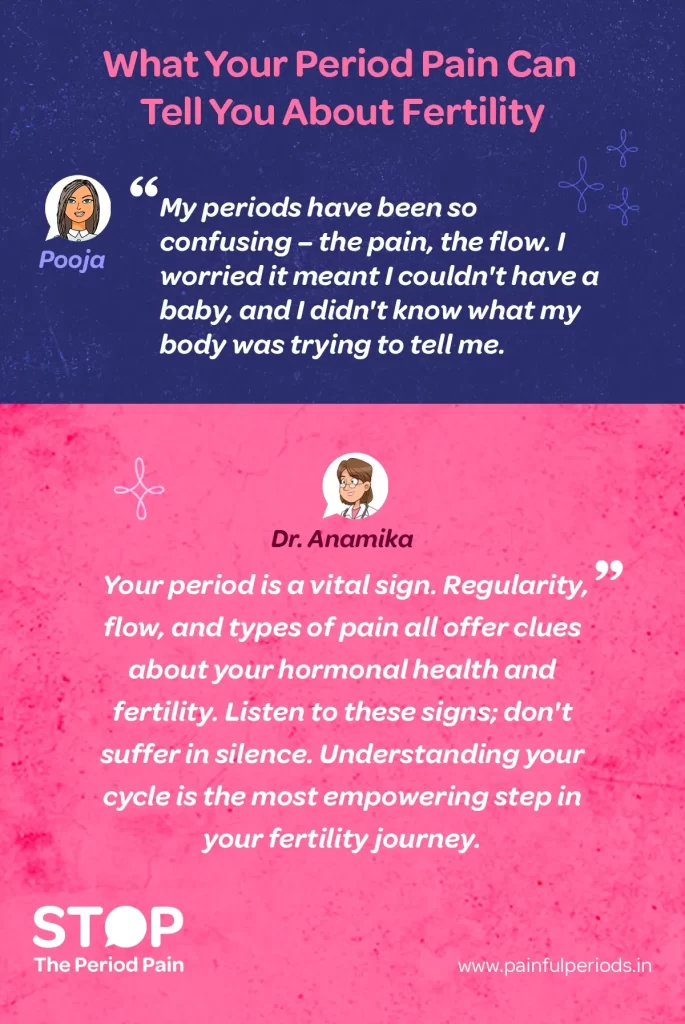
“That’s an excellent question,” Dr. Anamika replied gently. “Your period isn’t just a monthly event. It’s a vital sign, and it tells us a lot about your hormonal health and, yes, your fertility. The key is to learn to listen to what your body is trying to tell you.”
Let’s break down the clues your period can offer about your fertility, as explained by Dr. Anamika.
In This Story
The Big Clue: Regularity is a Green Light
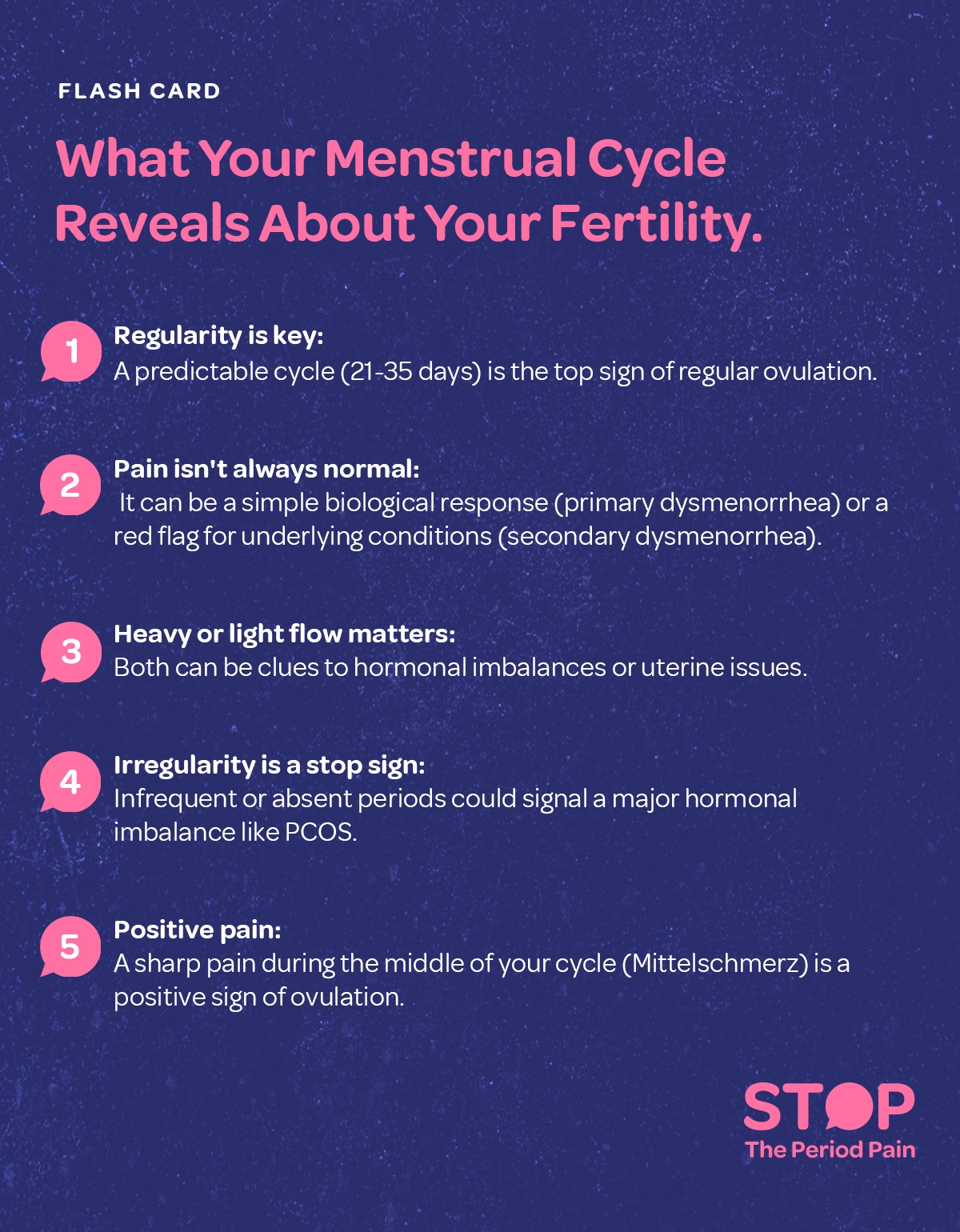
The most reassuring sign of good fertility is a regular menstrual cycle. This means your periods arrive predictably, typically every 21 to 35 days. A regular cycle is a strong indicator that you are ovulating—releasing an egg from your ovary each month. Ovulation is the central event required for conception.
What it says about fertility:
A predictable cycle is your body’s way of saying, “Everything is working like clockwork.”
Painful Periods: Is It Just Cramps?
While some discomfort is normal, persistent or worsening period pain (dysmenorrhea) is not. As Pooja learned, the pain can feel distinctly different and tell a story all its own.
Dr. Anamika continued, “Your experience with pain, Pooja, is a perfect example of how complex this can be. There are two main types of painful periods. The first is what we call primary dysmenorrhea, which many girls experience. Think of it as a biological overdrive—your body produces high levels of prostaglandins, chemicals that cause the uterine muscles to contract, leading to cramps.”
“I know a girl named Priya who had this kind of pain,” Dr. Anamika explained. “It was a debilitating pain that made her miss college, but her check-ups revealed everything was normal. Her pain was simply her body’s intense reaction to the prostaglandins.”
Primary Dysmenorrhea: What it says about fertility
If this is the only type of period pain you experience, and your check-ups are normal, it is unlikely to be a sign of a fertility issue.
Secondary Dysmenorrhea
“The second type is secondary dysmenorrhea,” Dr. Anamika continued, her voice turning more serious. “This is when period pain isn’t just a biological overdrive, but a symptom of an underlying condition. You may have heard about some of these from other girls, too, perhaps with different symptoms.”
The Lingering Pain of Endometriosis
“Consider someone whose pain is so severe that it’s not just limited to her period. It might start days before and even include painful sex or pain during urination and bowel movements. This kind of widespread, debilitating pain could be a red flag for endometriosis, where tissue similar to the uterine lining grows outside the uterus.” This is the type of pain a woman like Ishani might experience.
What it says about fertility:
Endometriosis can affect fertility in various ways, from causing inflammation to creating scar tissue that can block fallopian tubes. It is a key condition to rule out.
The Heavy, Tender Feeling of Adenomyosis
“Then there are cases of a consistently heavy, dark flow that is accompanied by a deep, constant ache. This type of pain is often described as a ‘heavy’ or ‘full’ feeling, as if the uterus itself is tender and bloated.” This could be a symptom of adenomyosis, where the uterine lining tissue grows into the muscular wall of the uterus, similar to what Riddhi would face.
What it says about fertility:
While less studied than endometriosis, adenomyosis can impact a fertilized egg’s ability to implant and may be linked to a higher risk of miscarriage.
The Pressure and Back Pain of Uterine Fibroids
“Or think of a girl with a consistently heavy flow that makes her feel constant pressure, and pain that radiates to her back. This is often a sign of uterine fibroids, which are benign growths in the uterus.” This would be similar to Bani’s situation.
What it says about fertility:
PCOS is the most common cause of infertility due to the hormonal imbalance that prevents regular ovulation.
Irregular, Absent, or Infrequent Periods: The Hormonal Stop Signs
“Now let’s talk about the big stop signs—irregularity,” Dr. Anamika continued. “If your periods are infrequent (oligomenorrhea) or completely absent (amenorrhea), it’s a clear signal that you may not be ovulating regularly. Without regular ovulation, conception is not possible.”
“This is a major sign of a hormonal imbalance, and often, it’s tied to a condition you may have heard of: Polycystic Ovary Syndrome, or PCOS,” Dr. Anamika explained. “A girl like Tarini, for example, had irregular periods with unpredictable bleeding and also experienced pain. When this pain is tied to irregular bleeding and other symptoms like weight gain and acne, it could be a sign of PCOS, which is a major cause of hormonal imbalance.”
What it says about fertility:
PCOS is the most common cause of infertility in women due to the hormonal imbalance that prevents regular ovulation. If your periods are unpredictable or have stopped, it’s a key sign that your body’s reproductive system needs a detailed evaluation.
The Mystery of a Light or Heavy Flow
The volume of your menstrual flow can also provide clues about your hormones and uterine health. Dr. Anamika explained how both extremes can signal issues that are relevant to fertility, even if a check-up shows no obvious red flags.
Hypomenorrhea (light flow)
“Some women have a very light period, where they might only bleed for a day or two,” she said. This can be normal for some, but a new, consistently light flow might be a sign of low estrogen levels. Estrogen is crucial for building a healthy uterine lining. “If that lining is too thin,” Dr. Anamika explained, “it might be difficult for a fertilized egg to implant.” A light flow could also be a symptom of uterine adhesions (scarring) after a surgical procedure.
What it says about fertility
A very light flow can indicate a thin uterine lining or hormonal imbalance, which can interfere with the implantation of a fertilized egg, a critical step in conception.
Menorrhagia (heavy flow)
On the other hand, an excessively heavy period, where you’re soaking through pads or tampons every hour or two, could be a sign of a different kind of imbalance,” Dr. Anamika continued. “This can be caused by hormonal fluctuations, like an excess of estrogen, which causes the uterine lining to build up too much. It can also be a symptom of underlying conditions like fibroids or polyps inside the uterus.
What it says about fertility
A heavy flow can be a sign of hormonal imbalances or structural issues in the uterus that could make it difficult for a fertilized egg to attach to the uterine wall.
Hit Up Our Period Pain Calculator
For real, how bad is your pain? Our interactive tool uses a 1-10 pain scale and a few quick questions to help you get the full picture. In just a few clicks, you’ll know if your pain is a chill or a major red flag.

The Positive Pain: Mittelschmerz
“Pooja, let me ask you something,” Dr. Anamika said, leaning forward. “Have you ever felt a sharp twinge or a brief, cramping pain in your lower abdomen, usually on one side, that lasts for just a few minutes or a few hours?”
Pooja’s eyes widened in recognition. “Yes!” she replied, a flash of anxiety in her voice. “I have, sometimes in the middle of my cycle. I always worried it was a bad sign. What does it mean?”
Dr. Anamika smiled warmly and placed a reassuring hand on hers. “Don’t worry,” she said. “It’s a very positive sign! This sensation is known as Mittelschmerz (German for ‘middle pain’), and it’s your body’s way of telling you that you’ve just ovulated. This pain is caused by the follicle rupturing to release the egg, or sometimes by the small amount of fluid or blood that is released with the egg, which can irritate the abdominal lining.”
What it says about fertility:
This pain is actually a great sign! It’s your body’s way of telling you that you’ve just ovulated, which is the most fertile time of your cycle. It’s a powerful, tangible sign that your body is working correctly and preparing for a potential pregnancy.
The Moral of the Story: Your Body is Talking to You
Pooja’s journey taught her a vital lesson: her body wasn’t failing her; it was trying to communicate. Her painful and irregular periods weren’t a sign of brokenness, but a clear message that something needed attention.
“Pooja, what is the most important thing you’ve learned from all this?” Dr. Anamika asked.
Pooja took a moment to think, her expression shifting from confusion to clarity. “I didn’t know these words, Dr. Anamika. Dysmenorrhea, adenomyosis… I knew nothing. I should have known this. Our periods are a great way our body communicates with us, and I was so worried about them that I lost the signs. I wish I had paid attention sooner instead of just enduring the pain.”
Dr. Anamika nodded, a gentle smile on her face. “That’s exactly it, Pooja. The most important takeaway is this: don’t endure period pain in silence. Don’t dismiss your symptoms as ‘normal.’ If your cycle is telling you something, listen. Understanding your menstrual health is the first and most empowering step on your fertility journey.”
Your Journey to #StopThePeriodPain Starts Here
Every month, millions of Indian girls & women suffer in silence, told that their severe period pain (dysmenorrhea) is “normal.” Our mission is to break that silence. #StopThePeriodPain campaign is here to empower you with 3 simple truths:
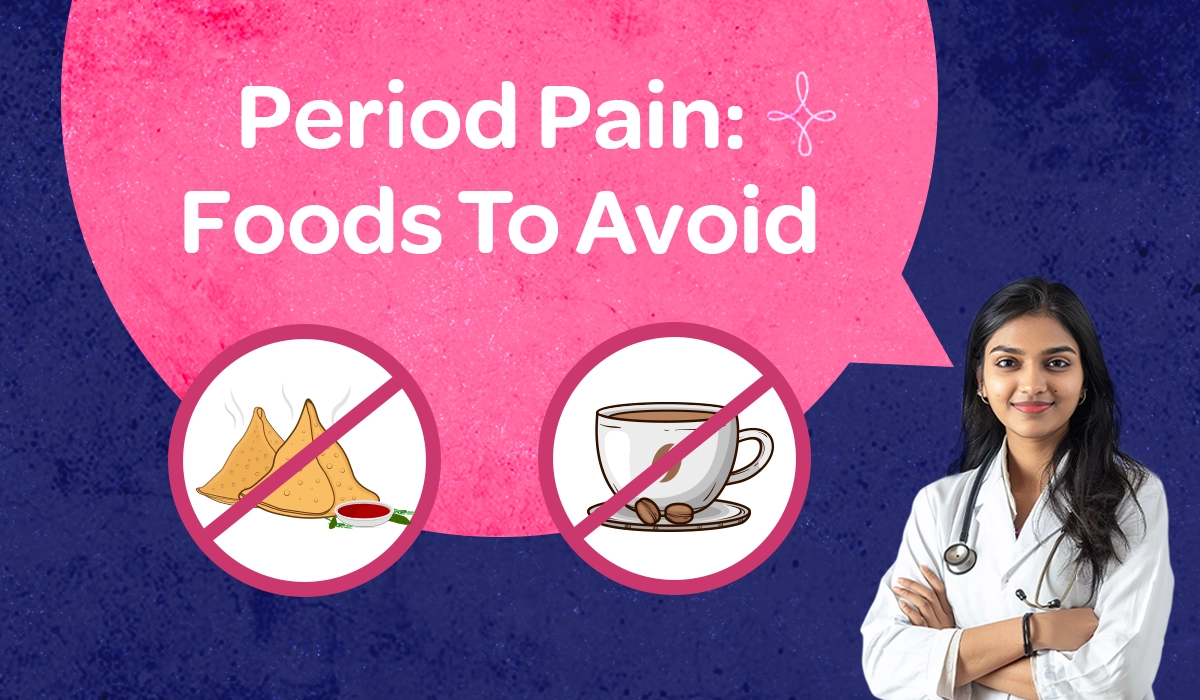
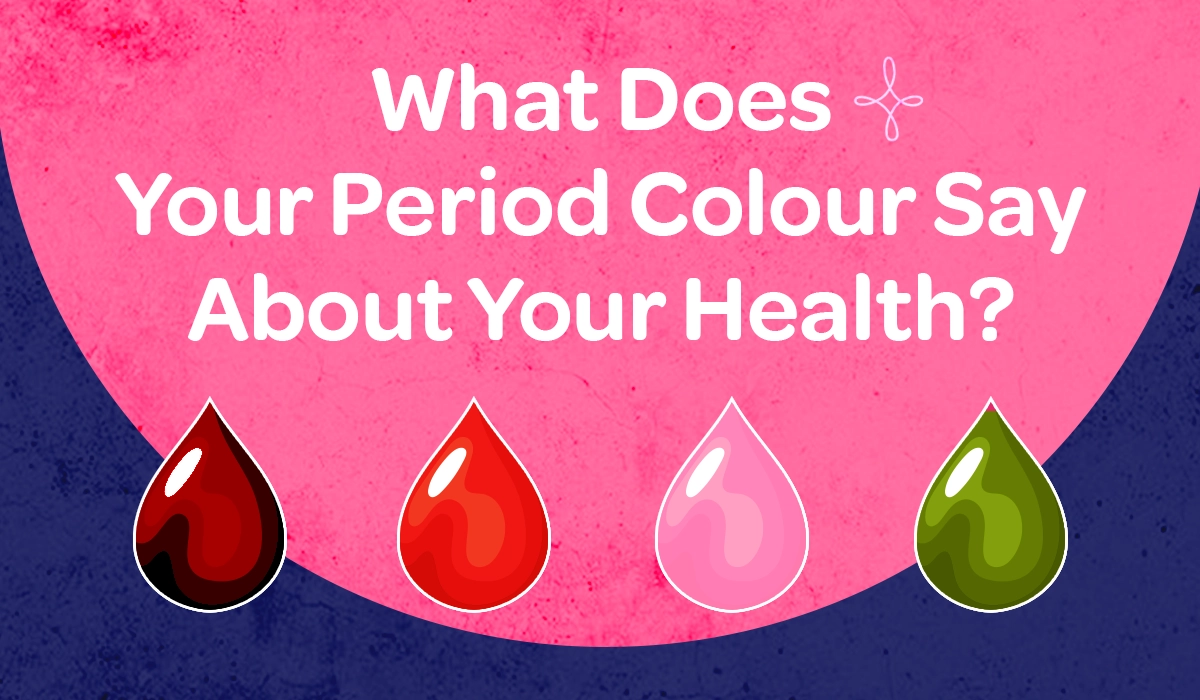
More Stories To Read
Transform your understanding of period pain through engaging and informative stories based on real medical insights.
The Answers You've Been Looking For
Get clear, concise answers to your most pressing questions about period pain.
- What is the cause of period pain?
- How is endometriosis different from normal period pain?
- What causes endometriosis-related menstrual pain?
- How Is Endometriosis Diagnosed in Women with Painful Periods?
- What Treatments Help with Painful Periods Caused by Endometriosis?
- How Can I Tell If My Cramps Are Due to Adenomyosis?
- Can PCOS cause severe period pain?
- Does irregular menstruation with PCOS make period pain worse?
- Can uterine fibroids cause dysmenorrhea (painful periods)?
- How do fibroids cause painful and heavy periods?
Disclaimer:
This content is for informational purposes only and is not a substitute for professional medical advice. The information provided here is based on general trends and may not apply to every individual, as every woman’s body and experience with period pain is unique.
Do not self-diagnose or self-treat. If you are experiencing painful periods, especially if the pain is moderate to severe or accompanied by other concerning symptoms, you must consult with a gynaecologist. Ignoring severe period pain can lead to a significant delay in diagnosing underlying conditions that require proper medical attention. Always prioritise a confident conversation with your gynaecologist over self-treatment.